

For many readers, Alice in Wonderland riddles are the first taste of delightfully strange wordplay. These puzzles live halfway between jokes and logic problems, wrapped in talking animals, teacups, and grinning cats. In the original story, and in modern games and parties, they invite you to think sideways instead of straight.
In this guide, we’ll unpack the famous Mad Hatter riddle, look at other in-story puzzles, and then move into real-life ways to use Wonderland-style riddles. You’ll see ideas for kids, adults, classrooms, scavenger hunts, escape rooms, birthdays, and more. Along the way, you’ll get simple tips for writing your own riddles that feel curious and fun rather than confusing or frustrating.
Quick Answer
Alice in Wonderland riddles are playful puzzles inspired by Lewis Carroll’s classic story, from the Mad Hatter’s “Why is a raven like a writing desk?” to easier clues for kids. You can use them for parties, scavenger hunts, classrooms, escape rooms, or quiet reading, as long as you match the difficulty and tone to your group. Most fans mix classic references with new, homemade riddles that fit their guests, space, and time.
Table of Contents
- What Are Alice in Wonderland Riddles?
- The Mad Hatter’s “Raven and Writing Desk” Riddle
- Other Famous Riddles Inside Wonderland
- Alice in Wonderland Riddles With Answers for Kids
- Alice in Wonderland Riddles With Answers for Adults
- Alice in Wonderland Scavenger Hunt Riddles
- Mad Hatter Tea Party Riddles and Games
- Classroom and Literacy Ideas Using Wonderland Riddles
- Printable and PDF Alice in Wonderland Riddle Sets
- Birthday Party Wonderland Riddles and Prizes
- Escape Rooms and Advanced Wonderland Riddle Challenges
- Alice in Wonderland Trivia Questions and Riddle Mixes
- How to Write Your Own Wonderland-Style Riddles
- Making Riddles Easy or Hard (Without Losing the Fun)
- Wonderland Riddles in Modern Pop Culture and Fandom
- Safe, Inclusive, and Age-Appropriate Wonderland Riddles
- FAQs
- Conclusion
TL;DR
• Wonderland riddles blend story references, jokes, and strange logic.
• The Mad Hatter’s raven riddle is famous for having no set answer.
• You can find easy kid-friendly riddles and tougher adult versions.
• Riddles work well for parties, scavenger hunts, and escape rooms.
• Teachers can pair riddles with reading, writing, and group discussion.
• Adjust difficulty, pacing, and themes to keep games welcoming.
What Are Alice in Wonderland Riddles?
Alice in Wonderland riddles sit between nonsense and logic. They often sound like traditional brainteasers, but they borrow images from tea parties, talking animals, and shifting sizes. Because of that, they feel dreamlike even when the answer is straightforward.
In practice, people use “Alice in Wonderland riddles” to mean both the puzzles found in the book and modern riddles inspired by the same world. Some are direct quotes, while others use rabbits, clocks, doors, and roses as familiar symbols.
• Lean on rabbits, clocks, cards, and doors as core symbols.
• Mix everyday objects with impossible details for curious tension.
• Keep questions short, so the surprise sits in the answer.
• Use gentle humor instead of sharp or insulting punchlines.
• Let the riddle feel a little odd, but still solvable.
• Borrow character voices, like the Hatter’s dramatic style.
• Use time, size, and direction to twist common sayings.
• Hide clues in adjectives, not just nouns and verbs.
• Keep answers clean and family-friendly for broad audiences.
• Make sure each answer is clearly correct once revealed.
• Avoid in-jokes that only one or two guests understand.
• Test riddles aloud; Wonderland humor works best spoken.
The Mad Hatter’s “Raven and Writing Desk” Riddle
The most famous Wonderland riddle appears at the Mad Hatter’s tea party, when he suddenly asks, “Why is a raven like a writing desk?” The scene turns chaotic, and Alice never gets a real answer. That unfinished feeling is a big part of the riddle’s charm.
Later, readers and scholars learned that the author, Lewis Carroll, originally meant the riddle as a joke with no solution. Over time, fans started proposing clever answers anyway, turning the question into a kind of open puzzle the whole world could play with.
• Remember the riddle has no official, story-given answer.
• Explain to players that “no answer” can still be playful.
• Share a few fun fan answers without claiming they’re canon.
• Use the riddle as an icebreaker rather than a scored question.
• Let guests invent their own answers and vote on favorites.
• Point out how both raven and desk involve “notes” and “quills.”
• Note that both can be dark, wooden, and perched in a study.
• Highlight how the riddle fits Wonderland’s upside-down logic.
• Use it to show kids that not every question has one truth.
• Frame it as a creativity test, not a memory quiz.
• Avoid arguing over which fan answer is “right.”
• Treat the riddle as a doorway into wider Wonderland games.
Other Famous Riddles Inside Wonderland
While the raven riddle gets most of the attention, the book is full of smaller puzzles and strange questions. Some are almost riddles, while others are twisted versions of school lessons and poems. Together, they make Wonderland feel like one long, confusing test.
You’ll find wordplay in stories told by the Mock Turtle, jokes about how time works at the tea party, and questions that turn simple logic on its head. These bits may not look like classic “What am I?” riddles, but they still invite you to think around corners.
• Pull short puzzling lines from different chapters, not just tea time.
• Focus on questions that make kids ask, “Wait, what does that mean?”
• Treat altered nursery rhymes as riddle-style language puzzles.
• Ask students what rules seem broken in each odd question.
• Turn strange quotes into prompts for drawing or skits.
• Use the Caterpillar’s questions to discuss identity and change.
• Explore the Cheshire Cat’s comments as mini logic puzzles.
• Let older kids rewrite puzzling lines in plain language.
• Group several tiny puzzles into one themed game round.
• Balance direct “What am I?” riddles with looser, story puzzles.
• Encourage students to notice tone, not just literal meaning.
• Show how Wonderland questions reflect real-life confusion.
Alice in Wonderland Riddles With Answers for Kids
When you’re planning riddles for kids, the goal is delight, not frustration. Wonderland themes help because they offer clear, friendly images: white rabbits, pocket watches, painted roses, and tiny keys. You can turn almost any object from the story into an easy “What am I?” puzzle.
Start with short questions that rely on one or two clues, then build up. For young kids, make sure the answer appears in a picture, prop, or recent part of the story, so they feel successful and eager for the next challenge.
• Use big, colorful pictures to support each riddle.
• Keep every answer to a simple noun kids recognize.
• Mention one stand-out detail, like ears, stripes, or clocks.
• Tie riddles to recent read-aloud pages for memory support.
• Include movement, like hopping or tiptoeing, in some clues.
• Let kids answer as a group instead of calling on one child.
• Celebrate near-misses; close guesses still show good thinking.
• Mix verbal riddles with simple matching cards or tiles.
• Hide answers on the back of cards for self-checking.
• Offer hint tokens so shy kids can ask for help safely.
• Keep the tone gentle; never shame a wrong guess.
• End with a riddle everyone can solve to leave on a win.
Alice in Wonderland Riddles With Answers for Adults
For adults and older teens, Wonderland riddles can lean more into logic, wordplay, and layered meaning. You can still center rabbits and teacups, but you might also reference themes like time, identity, and absurd rules. The sweet spot is clever, not cruel.
These riddles work well at game nights, book clubs, or themed dinners. You can give people a little more time to think, and even let them write guesses on cards before revealing the answer.
• Combine two or three clues that point to the same answer.
• Play with double meanings, puns, and near-rhymes.
• Use story quotes as hints without requiring full recall.
• Include answers that link to deeper themes, like time.
• Offer “hard mode” riddles with fewer descriptive details.
• Mix easy and tough puzzles within the same game round.
• Let teams quietly discuss instead of shouting over each other.
• Add a bonus point for creative wrong answers that entertain.
• Warn guests that one riddle may have no official answer.
• Place printed riddles at each seat as conversation starters.
• Turn the best fan-created answers into keepsake place cards.
• Encourage guests to write their own riddles between rounds.
Alice in Wonderland Scavenger Hunt Riddles
Scavenger hunts bring Wonderland to life by turning rooms, yards, or classrooms into miniature story maps. Each riddle becomes a clue that points to a location, object, or envelope with the next puzzle. With the right pacing, kids and adults feel like they’ve fallen down the rabbit hole themselves.
You can build hunts that follow the story’s order, move through character zones, or simply bounce between “curious” spots. The key is to keep each clue clear enough that teams keep moving, but puzzling enough to stay exciting.
• Start with a clear story hook, like following the White Rabbit.
• Write each clue so it clearly leads to only one location.
• Use rhyming couplets to make clues feel more magical.
• Tie specific spots to story items, like a “tea table” corner.
• Number envelopes so hosts can track progress quickly.
• Offer an easier backup clue if teams get stuck too long.
• Keep walking distances short for younger children.
• Mix indoor and outdoor clues only if weather cooperates.
• Give each team a different starting clue to avoid crowding.
• Place small, safe props at each clue to reward effort.
• Set a loose time limit, but celebrate finishing over speed.
• End the hunt with a shared prize, not a winner-takes-all.
Mad Hatter Tea Party Riddles and Games
A Mad Hatter tea party almost begs for riddles between sips of tea and bites of cake. Instead of running one long, serious game, you can sprinkle short riddle moments across the party timeline. That keeps the mood light and flexible.
You might have the Hatter character ask questions at the door, leave riddle cards under plates, or pause for a “curious question” break between courses. Guests who enjoy puzzles can lean in, while others simply enjoy the atmosphere.
• Use oversized, colorful cards for easy reading around the table.
• Assign one guest as “Hatter” to read riddles in character.
• Offer tiny prizes like stickers or paper hats for each solve.
• Rotate who answers first so every guest feels included.
• Mix tablewide riddles with secret ones under certain cups.
• Read one classic raven riddle and let answers stay open.
• Use a bell or spoon tap to gather attention for each puzzle.
• Keep puzzles short enough to answer in under a minute.
• Encourage guests to speak in silly voices when guessing.
• Add one cooperative riddle where everyone shares clues.
• Close the party with a group-created riddle about the day.
• Snap photos of guests holding their favorite riddle cards.
Classroom and Literacy Ideas Using Wonderland Riddles
In classrooms, Wonderland riddles offer a friendly way to explore reading comprehension, vocabulary, and creative writing. Because the story already feels strange, students are more willing to discuss confusion and multiple meanings.
Teachers can pair short read-aloud sections with simple riddles, asking students to justify why an answer fits. Older students can then write their own puzzles, using characters or objects from the chapters they’ve just finished.
• Use riddles as warm-ups before reading or writing sessions.
• Ask students to underline clue words that led to each answer.
• Have small groups design riddles about specific chapters.
• Post a “Riddle of the Week” on the classroom door.
• Invite students to illustrate answers to favorite puzzles.
• Encourage shy students to submit riddles anonymously.
• Connect riddles to lessons on figurative language.
• Discuss how tone changes when clues sound serious or silly.
• Compare Wonderland puzzles to everyday questions in school.
• Let advanced readers craft multi-step, story-based riddles.
• Create a class booklet of riddles to share with families.
• Tie riddle days to costume days or themed read-ins.
Printable and PDF Alice in Wonderland Riddle Sets
Sometimes you don’t have time to build everything from scratch. Printable riddle sets in PDF form can save the day, especially for parties or classrooms with many moving parts. Many include picture clues, answer keys, and matching decor.
When you browse, you’ll see a mix of free resources and paid bundles. The best sets are flexible: you can print only the cards you need, reorder clues, and adjust difficulty without losing the Wonderland feel.
• Look for clear fonts that kids and adults can read easily.
• Check that answer keys are separate or easy to hide.
• Choose printables with both text and visual support.
• Avoid sets that rely heavily on inside jokes or niche trivia.
• Confirm whether you’re allowed to reprint for multiple classes.
• Test-print one page to check ink levels and color contrast.
• Trim and mount riddle cards on colored cardstock for durability.
• Store sets in labeled envelopes or folders between events.
• Combine different creators’ sets only if styles blend well.
• Add your own custom cards to fill theme or age gaps.
• Keep digital backups in case physical cards get damaged.
• Note which riddles landed well for next year’s planning.
Birthday Party Wonderland Riddles and Prizes
A birthday party can easily turn into a mini trip through Wonderland with a few well-placed riddles. You don’t need a full scavenger hunt; sometimes a short sequence of puzzles is enough to make the guest of honor feel like Alice herself.
Riddles can welcome guests at the door, help them “unlock” the cake table, or guide them to goodie bags. The trick is to match the length and complexity of puzzles to the age and energy of the group.
• Start with a simple welcome riddle tied to the birthday child.
• Use one riddle to lead guests to the main activity space.
• Hide short riddles inside balloons, boxes, or party hats.
• Keep the total number of puzzles small for younger kids.
• Tie riddle answers to prizes like stickers or bookmarks.
• Offer group rewards so nobody feels left out.
• Let the birthday child help read or reveal some riddles.
• Blend themed snacks with riddle breaks to manage energy.
• Create photo spots labeled with short, decorative questions.
• Include at least one riddle adults can enjoy solving too.
• Finish with a thank-you riddle on favor bags or tags.
• Save successful puzzle sequences for siblings’ future parties.
Escape Rooms and Advanced Wonderland Riddle Challenges
For puzzle lovers, Wonderland makes a perfect escape room theme. The world is already strange, so locked boxes, hidden keys, and mixed-up instructions feel right at home. Riddles become the glue that ties props into a story.
You don’t need a full commercial-style setup. A living room, classroom, or community space can hold a small series of challenges where each solved riddle reveals a code, key, or location.
• Pick a simple goal, like “help Alice find the right door.”
• Use one main story line instead of many competing plots.
• Assign each riddle to a different station or corner.
• Combine written riddles with physical locks or puzzles.
• Offer clue cards players can trade in if they’re stuck.
• Use large, high-contrast text for easy reading in dim rooms.
• Design at least one puzzle where kids can lead adults.
• Build in an early “win” so teams feel capable quickly.
• Keep total play time under an hour for mixed-age groups.
• Debrief afterward about favorite and hardest riddles.
• Reuse props with new puzzles for later events.
• Adjust difficulty between sessions based on player feedback.
Alice in Wonderland Trivia Questions and Riddle Mixes
Not every puzzle has to be a pure riddle. You can mix straight trivia questions with riddle-style clues to reach different types of players. Some people enjoy recalling story details, while others prefer decoding playful hints.
A mixed game might include quick-fire questions, longer riddle cards, and a final “boss” puzzle that pulls everything together. This structure works well for family nights, clubs, and themed fundraisers.
• Alternate easy trivia with more complex riddle cards.
• Group questions into rounds like “Tea Party” or “Queen’s Court.”
• Let teams choose which riddle to attempt first each round.
• Use multiple-choice formats for younger or casual players.
• Include at least one visual question using art or props.
• Keep score simple, or skip points entirely for relaxed groups.
• Offer bonus points for creative team names or costumes.
• Read answers in a friendly tone, even for misses.
• Rotate readers so more people get to present questions.
• End with a cooperative puzzle everyone can solve together.
• Share printable answer sheets for guests who like to keep score.
• Encourage guests to submit new questions for next time.
How to Write Your Own Wonderland-Style Riddles
Writing your own riddles may sound intimidating, but Wonderland themes make it easier. You already have a toolbox full of objects, characters, and settings. From there, you only need a few clues that point gently toward the answer.
A simple pattern is: choose an answer, list three features, then hide those features behind playful language. The result should feel odd at first but obvious once revealed.
• Start by picking your answer object before writing clues.
• List plain facts about the object in a quick bullet list.
• Turn each fact into a hint using comparisons or exaggeration.
• Borrow character voices to flavor how clues sound.
• Keep the number of clues small to avoid overload.
• Read draft riddles aloud to catch awkward phrasing.
• Ask a friend to solve them without seeing the answer list.
• Remove or simplify any clue that confuses test players.
• Add one tiny “giveaway” detail for younger audiences.
• Use guests’ names or local landmarks for personal flavor.
• Save your riddles in a notebook or digital file for reuse.
• Revise between events so favorites keep improving.
Making Riddles Easy or Hard (Without Losing the Fun)
Good Wonderland riddles should stretch people without snapping their patience. Luckily, difficulty is adjustable. By tweaking how specific clues are, how long the riddle runs, and how much time players get, you can tailor the challenge to almost any group.
The goal isn’t to stump everyone. Instead, you want most players to feel like they solved at least a few puzzles through real effort, not luck.
• Shorter riddles with clear images feel easier overall.
• Longer, metaphor-heavy riddles naturally feel harder.
• Adding numbers, codes, or hidden patterns increases difficulty.
• Giving examples of similar riddles lowers stress for beginners.
• Offering hints at set times keeps games from stalling.
• Marking some puzzles “optional” lets players self-select challenge.
• Separating kid and adult tracks can prevent frustration.
• Testing with one small group before big events reveals issues.
• Watching which riddles cause silence helps identify pain points.
• Removing one tricky line often makes a puzzle fairer.
• Reminding players it’s okay not to solve everything builds comfort.
• Ending on an easier group riddle leaves people smiling.
Wonderland Riddles in Modern Pop Culture and Fandom
Today, Wonderland riddles show up far beyond the pages of the book. You’ll find them in board games, escape room stories, fan fiction, party decorations, and social media captions. The Mad Hatter’s big question still appears on posters, mugs, and T-shirts.
Fans also share their own riddles online, often mixing Carroll’s characters with modern references. This steady stream of new puzzles keeps the Wonderland spirit alive for new generations.
• Look for Wonderland-themed board and card games at local shops.
• Browse fan art for creative visual takes on classic riddles.
• Spot raven-and-desk references in shirts, mugs, and prints.
• Notice how escape rooms borrow Wonderland twists and props.
• Join online groups that swap homemade riddle ideas.
• Use social media polls to vote on favorite fan answers.
• Take photos of your own riddle setups to inspire others.
• Collect short, appropriate quotes for party signage.
• Turn favorite fan-made riddles into framed wall art.
• Create a family tradition of annual Wonderland game nights.
• Share kid-created riddles with relatives or pen pals.
• Treat fandom as a shared playground, not a contest.
Safe, Inclusive, and Age-Appropriate Wonderland Riddles
Because riddles often land at kids’ parties, classrooms, and community spaces, it’s important to keep them safe and welcoming. Wonderland’s strangeness can be fun, but it shouldn’t cross into fear, mockery, or exclusion.
A few simple guardrails help. Focus on gentle humor, avoid upsetting themes, and offer multiple ways to participate. When people feel respected, they’re far more willing to take creative risks and share guesses out loud.
• Avoid topics involving real-world harm, fear, or cruelty.
• Keep language free from insults, stereotypes, and mockery.
• Check illustrations so characters look playful, not frightening.
• Offer non-competitive formats for kids who dislike scoring.
• Provide visual supports for players who process text differently.
• Allow players to pass on puzzles without pressure.
• Give extra explanation time to emerging readers and learners.
• Make sure physical setups are accessible to all abilities.
• Offer quiet roles like clue-tracker or timekeeper for shy kids.
• Use cooperative riddles where the group wins together.
• Invite feedback about which puzzles felt fun or uncomfortable.
• Update or retire riddles that no longer feel respectful.
FAQs
What is the main Alice in Wonderland riddle everyone talks about?
Most people mean the Mad Hatter’s question, “Why is a raven like a writing desk?” It appears at the tea party and never gets a clear answer in the story. That open-ended quality is why readers still debate and enjoy it today.
Does the “raven and writing desk” riddle have a real answer?
In the original context, it doesn’t. Lewis Carroll later suggested a playful answer in a letter, but he made it clear the riddle started with no solution. Many fans now share their own clever lines, and you’re free to invent one that fits your sense of humor.
Are there other riddles in Alice in Wonderland?
Yes. The book includes smaller puzzles, twisted school lessons, and strange questions from characters like the Caterpillar, Cheshire Cat, and Mock Turtle. They may not always follow a classic “What am I?” format, but they still invite readers to think in playful ways.
How can I use Wonderland riddles at a birthday party?
You can weave them into invitations, door greetings, scavenger hunts, or tea party breaks. Simple riddles work well for kids, while trickier ones suit older guests. The key is matching difficulty to the group and keeping the tone light and cooperative.
Are Wonderland riddles good for classroom learning?
Used carefully, yes. Teachers often pair short riddles with reading the story to spark discussion about clues, language, and meaning. Students can also write their own riddles, which builds vocabulary, creativity, and confidence in sharing ideas.
Where can I find printable Alice in Wonderland riddle sheets?
Many education and party-planning sites share free or low-cost printables. Look for sets that include clear text, age-appropriate content, and simple answer keys. You can then customize them with your own clues or local details.
How hard should Alice in Wonderland riddles be?
That depends on your group. For younger kids, aim for quick wins with clear clues. For teens and adults, mix easy and harder puzzles so most people solve something. If players seem stuck or frustrated, shorten riddles or offer hints sooner.
Conclusion
Alice in Wonderland riddles turn a classic story into a playful toolkit you can reuse for parties, classrooms, game nights, and family traditions. From the Mad Hatter’s unsolved raven question to custom clues you write yourself, these puzzles encourage curiosity and creative thinking. When you tune difficulty, tone, and themes to your group, alice in wonderland riddles become a welcoming doorway into reading, laughing, and wondering together.
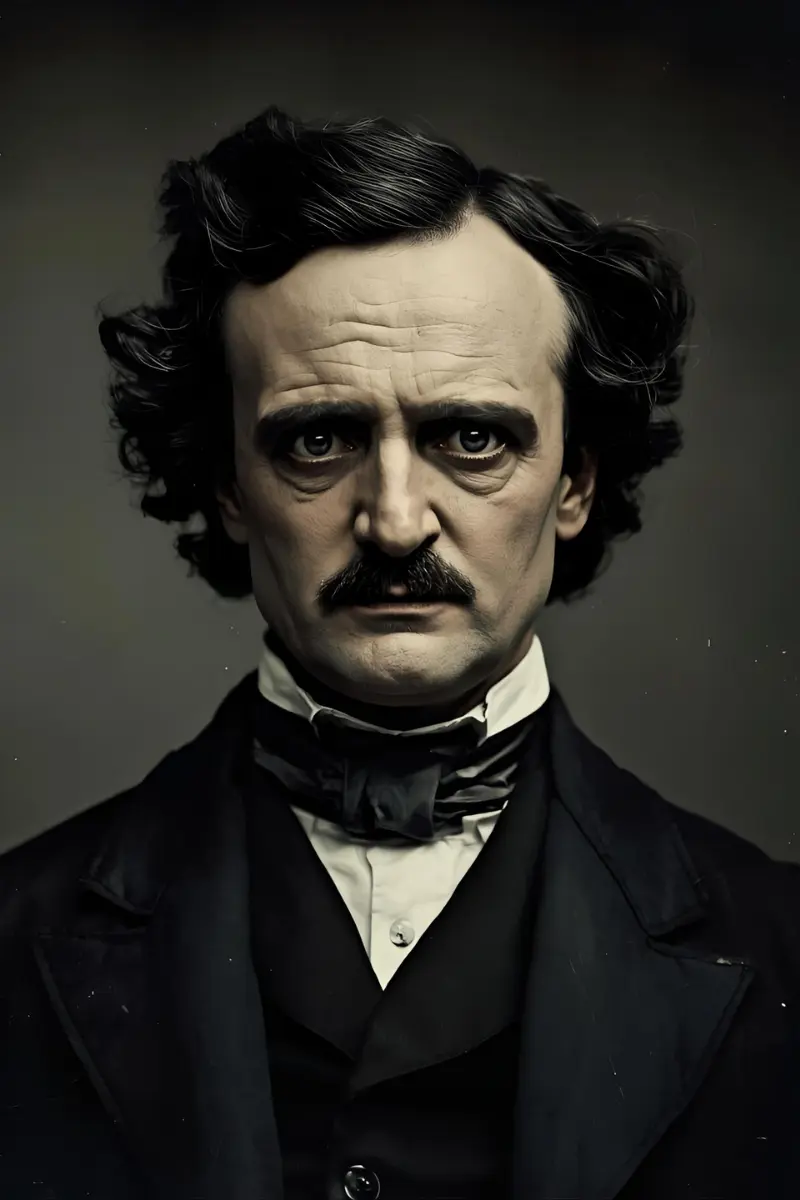
Edgar Allan Poe is one of America’s most iconic literary figures, celebrated for his mysterious short stories and haunting poems. Known as the master of gothic fiction, Poe’s works often contain riddles, codes, and puzzles that continue to inspire mystery lovers around the world.