

If you follow winter sports, you’ve probably seen a tall Canadian flying out of a halfpipe with smooth style and calm confidence. That’s Mike Riddle, one of the riders who helped push ski halfpipe from fringe event to Olympic showcase.
This guide is for fans who want more than a quick stat line. You’ll walk through his early days on small Canadian hills, the world title, the Sochi silver medal, the injuries, and his move into coaching. Along the way, you’ll also see how he stacks up against other legends and why there’s some confusion around his name online.
By the end, you’ll know who Mike Riddle is, what he’s accomplished, and how his story still inspires the next generation of park and pipe skiers.
Quick Answer
Mike Riddle is a Canadian freestyle skier known for winning gold at the 2011 World Championships and silver in ski halfpipe at Sochi 2014, then moving into a coaching role with the U.S. ski halfpipe team. Today, he’s retired from competition but still shapes the sport by mentoring athletes and helping them navigate the same risks, rewards, and pressures he once faced.
Table of Contents
- Early Life And Path To Freeskiing
- Breaking Into The International Halfpipe Scene
- World Championship Gold And Rising Respect
- Sochi 2014: Olympic Silver In Ski Halfpipe
- X Games, World Cups, And Consistent Podiums
- Training Style, Tricks, And Risk Management
- PyeongChang 2018 And The Last Competitive Seasons
- Retirement From Competition And New Chapters
- Coaching The U.S. Ski Halfpipe Team
- Impact On Freeski Culture And Young Athletes
- Life Off The Snow: Education, Work, And Interests
- Injuries, Setbacks, And Mental Resilience
- Comparing Mike Riddle With Other Halfpipe Legends
- Other Notable People Named Mike Riddle
- FAQs
- Conclusion
TL;DR
• Canadian halfpipe skier who became a world champion and Olympic medalist.
• Won 2011 world title and Sochi 2014 Olympic silver in ski halfpipe.
• Battled serious injuries yet returned for PyeongChang 2018.
• Retired from competition in 2018 and shifted into full-time coaching.
• Now leads the U.S. ski halfpipe team and mentors younger athletes.
Early Life And Path To Freeskiing
Growing up in Alberta, Canada, Mike Riddle spent his winters on snow from a young age. What started as simple family skiing soon turned into a full-blown passion for leaving the ground and pushing limits.
As he moved into his teens, traditional skiing felt too tame. The new school style of twin tips, jumps, and tricks gave him a creative outlet. It also gave him a path into a sport that barely existed when he was a kid.
• Born in 1986, he grew up around Edmonton’s winter sports culture.
• Local hills and small parks gave him a safe place to experiment.
• He started skiing very young, long before halfpipe became Olympic.
• In his early teens, rails and jumps pulled him away from pure carving.
• Watching freestyle videos showed him what was possible in the pipe.
• He began traveling to resorts with better terrain parks and pipes.
• Supportive parents helped with rides, gear, and long competition days.
• Early contests taught him how to handle nerves and big crowds.
• He learned to balance schoolwork with training and travel demands.
• The challenge of linking tricks in a smooth run kept him engaged.
• He quickly saw halfpipe as the best blend of power and creativity.
• Those early seasons laid the base for a long career on snow.
Breaking Into The International Halfpipe Scene
Moving from local contests to international events is a huge jump, and Mike Riddle made it during a period when ski halfpipe was still finding its place. There wasn’t a clear roadmap, so he and his peers had to build one as they went.
He began entering FIS events and World Cups in the mid-2000s, facing riders from across Europe, North America, and Asia. The fields were small but intense, and everyone was helping define what “world class” meant in this new discipline.
• Early FIS competitions introduced him to international judging styles.
• His first World Cup appearances showed where he needed more difficulty.
• He steadily added amplitude while keeping landings smooth and clean.
• Traveling to European resorts exposed him to different snow conditions.
• He learned how to adjust his runs for icy walls or heavy snow days.
• Small coaching staffs meant athletes shared tips and wax tricks.
• He built friendships with rivals who were also writing the sport’s history.
• Recording runs on basic cameras helped him analyze body position.
• Judges began to recognize his mix of style and technical precision.
• A first major podium proved he could compete with established names.
• Sponsors followed, easing the financial weight of a full schedule.
• Step by step, he went from “promising Canadian” to full contender.
World Championship Gold And Rising Respect
The turning point came at the 2011 FIS Freestyle World Ski Championships, where Mike Riddle put down runs that matched his potential. On a global stage, he delivered under pressure and left as world champion in halfpipe.
That gold medal didn’t just decorate his résumé. It confirmed, to fans and fellow athletes, that his approach to training, progression, and run design could beat anyone on the right day.
• World Championship events pulled in the best halfpipe specialists.
• He arrived with several seasons of top-level experience behind him.
• Training laps focused on consistency instead of showy new tricks.
• When the contest started, he stayed patient through changing conditions.
• He linked big spins with solid grabs and smooth landings throughout.
• Judges rewarded amplitude, execution, and variety in his final run.
• Winning gold raised his profile inside and outside the freeski world.
• Media outlets began calling him one of the sport’s key figures.
• The title boosted his confidence heading toward future Olympics.
• Sponsors highlighted the victory in campaigns and athlete features.
• Younger skiers saw his run as a blueprint for balanced halfpipe riding.
• Later world medals showed that 2011 wasn’t a one-time peak.
Sochi 2014: Olympic Silver In Ski Halfpipe
Ski halfpipe made its Olympic debut at Sochi 2014, turning what had been a niche event into a primetime spectacle. For Mike Riddle, the stakes were huge: years of work funneled into two runs in front of millions of viewers.
The conditions weren’t perfect. Falling snow and changing speeds made every run risky. After a first attempt that left room for improvement, he regrouped, adjusted his speed, and delivered a second run strong enough for silver.
• Sochi marked the first time men’s ski halfpipe appeared at the Games.
• Riddle came in as a world champion with strong recent results.
• Weather made it harder to maintain speed through the full pipe.
• His first run showed the line but needed cleaner execution.
• Between runs, he reset mentally and tweaked his approach.
• The second run boosted amplitude while tightening landings.
• A balanced trick list impressed both fans and halfpipe experts.
• Judges scored him into the silver-medal position behind David Wise.
• The medal gave Canada another highlight in freestyle skiing history.
• It also confirmed that halfpipe belonged on the Olympic program.
• Photos of him in the falling snow became iconic halfpipe images.
• The Sochi podium cemented his status as a modern freeski legend.
X Games, World Cups, And Consistent Podiums
While the Olympics get the headlines, much of Mike Riddle’s reputation comes from years of steady results at X Games and World Cup stops. In those series, consistency often matters more than one perfect night.
He piled up podiums across seasons, proving he could land high-difficulty runs in different pipes, weather, and time zones. That reliability helped him earn a World Cup crystal globe and stay relevant through changes in trick progression.
• He made repeated appearances at Winter X Games in Aspen and Europe.
• Top-five finishes showed he could hang with the deepest fields.
• World Cup stops in Europe and North America filled his calendar.
• Multiple event wins confirmed he was more than a one-contest star.
• A crystal globe for halfpipe reflected season-long excellence.
• He frequently qualified near the top, gaining better drop positions.
• Coaches relied on him to help set standards for younger teammates.
• Media often framed him as a “veteran anchor” of the Canadian team.
• He adapted runs as judging trends rewarded different types of difficulty.
• Even in seasons without major titles, he remained a podium threat.
• His contest footage became reference material for aspiring halfpipe riders.
• The resume he built here supported every major team selection later.
Training Style, Tricks, And Risk Management
Behind every highlight clip sits months of quiet training. Mike Riddle’s approach blended gym work, on-snow drills, and careful risk management so he could keep pushing without burning out or getting hurt unnecessarily.
Instead of chasing every brand-new trick immediately, he focused on building runs that judges respected and his body could handle across a full season. That balance helped him stay competitive well into his thirties.
• Off-snow training included strength, mobility, and balance sessions.
• Core work helped him stay stable during big spins and landings.
• On-snow days alternated between progression and pure repetition.
• He refined grabs and tweak style to stand out from similar runs.
• Video review allowed small adjustments to timing and pop.
• He evaluated new tricks carefully before adding them to a contest run.
• Warm-up laps started simple, building confidence before big attempts.
• Rest days and recovery routines mattered as much as training days.
• He learned to speak honestly with coaches about how his body felt.
• Wind, snow speed, and pipe shape all affected trick selection.
• Younger riders learned from how he backed off when conditions deteriorated.
• This approach showed that longevity can be a performance strategy.
PyeongChang 2018 And The Last Competitive Seasons
By the time PyeongChang 2018 arrived, Mike Riddle was no longer the young up-and-comer. He was the experienced veteran, carrying scars from past crashes and surgeries, yet still motivated to represent his country on another Olympic stage.
In the years before those Games, he dealt with serious injuries, including a torn hip adductor and broken scapula. Coming back from that kind of damage requires patience, smart coaching, and a willingness to adjust expectations.
• He entered his later seasons with a long list of prior impacts.
• A major hip injury kept him off snow for months at one point.
• A broken shoulder blade further complicated his return to form.
• Rehab focused first on basic movement before full-power riding.
• When he finally reached PyeongChang, he wasn’t fully pain-free.
• Still, he qualified and competed against a rising new generation.
• His final Olympic appearance ended with a sixth-place finish.
• Many fans respected the grit more than the scoreboard number.
• Those seasons underscored how brutal halfpipe can be on a body.
• They also showed his commitment to finishing on his own terms.
• Afterward, he weighed the realities of more seasons versus long-term health.
• That reflection set the stage for his retirement announcement.
Retirement From Competition And New Chapters
In 2018, Mike Riddle officially stepped away from competitive halfpipe skiing. Retirement announcements in action sports can feel sudden, but for him it reflected years of wear, achievements, and a growing desire to contribute in new ways.
Rather than disappearing from the scene, he treated retirement as a shift in role. The same attention to detail that helped him win medals now fuels his work behind the scenes.
• His retirement statements thanked family, coaches, and sponsors.
• He acknowledged how much the sport had given him over the years.
• The decision balanced lingering injuries with future quality of life.
• Fans reacted with a mix of sadness and gratitude for his career.
• Fellow athletes shared stories of his leadership and humor on tour.
• He quickly made it clear he planned to stay involved in skiing.
• Retirement opened time for education, coaching, and new projects.
• It also reduced the constant travel grind of full-time competition.
• The medals remained, but pressure to defend them finally eased.
• He became an example of leaving on solid terms, not after a forced exit.
• Media pieces framed him as a pioneer who helped legitimize halfpipe.
• That legacy would carry directly into his next chapter as a coach.
Coaching The U.S. Ski Halfpipe Team
After retiring as an athlete, Mike Riddle stepped into a high-impact role as a coach for the U.S. ski halfpipe team, eventually serving as head coach for the pro squad. It’s an unusual twist: a Canadian Olympic medalist helping guide American athletes on the world stage.
From this vantage point, he can use his experience to design training plans, support mental health, and navigate the evolving scoring criteria that shape contests today. His riders benefit from someone who has actually lived the pressure they now face.
• He joined the U.S. setup not long after announcing retirement.
• Coaching duties include planning camps, contests, and daily training.
• He helps athletes design runs that balance difficulty and consistency.
• Film review sessions draw on his understanding of what judges value.
• He teaches younger riders how to manage nerves during big events.
• Many athletes appreciate that he has stood in the same start gate.
• Cross-border collaboration shows how global the freeski community is.
• His role also includes working with physios and support staff.
• Interviews suggest he emphasizes communication and trust with riders.
• He often highlights long-term development over quick, risky gains.
• The team’s success helps prove his methods work beyond his own career.
• Fans now see him more often in a coach’s jacket than a bib.
Impact On Freeski Culture And Young Athletes
Beyond podiums, Mike Riddle’s influence shows up in how riders talk about him. They mention his calm attitude at contests, his willingness to share tips, and his knack for making a high-risk sport feel a little more grounded.
As halfpipe moved from fringe events to Olympic primetime, his steady presence helped keep things connected to the sport’s creative roots. He represented the idea that you can chase medals without losing respect for the community.
• Younger skiers often cite him as a reliable “guy to watch” in finals.
• His mellow personality balanced the hype and noise of big events.
• He modeled how to celebrate wins without trash-talking rivals.
• Many remember him cheering on competitors after strong runs.
• His style emphasized clean grabs and strong body position.
• That focus quietly influenced how others built their own runs.
• As a coach, he still advocates for style, not only spin counts.
• His career arc shows that late-career comebacks are possible.
• He talks about mental strength as openly as raw talent.
• Community members credit him with keeping halfpipe approachable.
• He proves that you can evolve from athlete to mentor gracefully.
• Even fans who don’t track rankings recognize his name and impact.
Life Off The Snow: Education, Work, And Interests
Athletes are more than results sheets, and Mike Riddle is no exception. Away from the halfpipe, he has pursued education, enjoyed other sports, and built a modest but active presence on social media.
These details help fans see him as a whole person, not just a figure in contest replays. They also highlight how high-level athletes try to plan for life after competition.
• He has taken university-level courses, including online study options. LinkedIn
• Business and broader academic interests may guide future projects.
• He enjoys mountain biking, golf, and other outdoor activities.
• Pro sports fandom includes hockey, football, and baseball teams.
• Social channels give glimpses of travel, training, and family life. Instagram+1
• Posts often highlight teammates’ successes rather than self-promotion.
• He occasionally shares behind-the-scenes shots from training camps.
• Coaching commitments still leave time for relaxed days at home.
• Off-season months are chances to reset physically and mentally.
• Interviews suggest he values humor and perspective in tough stretches. FREESKIER+1
• Fans appreciate that he answers questions and supports young riders online.
• Overall, his off-snow life feels balanced rather than extreme.
Injuries, Setbacks, And Mental Resilience
Halfpipe skiing carries real risk. Mike Riddle’s career includes serious injuries that would have ended many athletes’ journeys. Instead, he turned each setback into a lesson in patience and mental strength.
Understanding this side of his story helps explain why he’s such a valuable coach today. He knows, from experience, how to support riders who are discouraged, scared, or stuck in long rehab cycles.
•A torn hip adductor sidelined him in a key season.
His story shows resilience can mean setting new goals.
Months off snow and heavy rehab followed.
He later broke and re-injured his scapula in competition.
Pain still restricted training after medical clearance.
He leaned on therapists, coaches, and family.
Breathing and visualization calmed his return fears.
He began valuing small gains over instant comebacks.
Injuries reshaped his seasons and travel plans.
They taught him to set safer limits on risk.
Honest talk about struggle drew fans closer.
That openness now guides other injured athletes.
Comparing Mike Riddle With Other Halfpipe Legends
It’s tricky to compare riders across eras, but looking at Mike Riddle alongside other halfpipe stars helps show what makes his path unique. He belongs to the generation that transformed halfpipe from a niche contest into a cornerstone of major winter events.
Rather than dominating every single competition, he built a reputation on world-level peaks and sustained relevance, then extended his impact through coaching.
• Compared with early pioneers, he competed as the sport professionalized.
• He shared podiums with names like David Wise and Kevin Rolland. U.S. Ski & Snowboard+1
• His world title and Olympic silver match up with elite company. Team Canada+1
• Some peers focused more on X Games, others on World Cups.
• His balance across both circuits stands out in the record books.
• Newer riders may have bigger tricks, but often shorter careers.
• Longevity and leadership give his résumé a different kind of weight.
• He helped bridge the gap between old-school style and modern difficulty.
• Coaching extends his influence far beyond his personal results.
• Many halfpipe fans place him among the sport’s most respected veterans.
• Even if debates continue, few question his importance to the discipline.
• His shift from athlete to mentor is part of his legacy, not an afterthought.
Other Notable People Named Mike Riddle
Search “Mike Riddle” and you’ll find more than one public figure. To avoid confusion, it helps to separate the Canadian skier from two other well-known professionals who share his name.
First, there is Mike Riddle, the Christian creation speaker. He is the founder and president of the Creation Training Initiative, a ministry focused on biblical creation, apologetics, and Christian education. His background includes work in the tech industry, time as a U.S. Marine Corps officer, and decades of speaking and teaching in churches, schools, and conferences. CreationWiki+2creationspeakers.org+2
Second, there is Mike (Michael C.) Riddle, the Texas estate-planning attorney. He has a long career in tax and estate work, including service at the Internal Revenue Service and leadership at a Houston-area law firm focusing on wills, trusts, and related planning issues. Riddle & Butts, LLP
• The skier, speaker, and attorney are three distinct individuals.
• Each works in a completely different field and community.
• Biographical details like birthplace or education quickly separate them.
• The creation speaker often appears on Christian media and podcasts. creationtraining.transistor.fm+1
• The attorney appears on law-firm sites and professional listings. Riddle & Butts, LLP+1
• The skier shows up on sports, Olympic, and skiing-industry pages. Team Canada+1
• Checking context clues helps readers land on the right “Mike Riddle.”
• This article focuses on the Canadian freestyle skier’s life and impact.
• Fans searching for faith content should look for Creation Training Initiative.
• Those needing legal advice should look for the Houston estate-planning firm.
• Sports fans will find the skier on Olympic and national-team websites.
• Clear distinctions avoid mixing statistics, beliefs, or careers between them.
FAQs
Who is Mike Riddle and why is he important in freestyle skiing?
Mike Riddle is a Canadian freestyle skier who specialized in halfpipe. He became one of the sport’s key figures by winning a world title in 2011, taking silver at Sochi 2014, and competing at multiple major events before eventually moving into coaching. His career helped show that ski halfpipe belongs on the biggest winter-sports stages. Team Canada+1
What Olympic medal did Mike Riddle win?
At the 2014 Winter Games in Sochi, Mike Riddle won the silver medal in men’s ski halfpipe, the event’s Olympic debut. Competing in heavy snow, he delivered a strong second run that secured his place on the podium and added to Canada’s freestyle skiing medal haul. Team Canada+1
Is Mike Riddle still competing in halfpipe events?
No. Mike Riddle retired from competitive halfpipe skiing in 2018 after a long career that included major titles and serious injuries. Since then, he has focused on coaching and helping current athletes prepare for World Cups, X Games, and future Olympics. FIS Ski+1
What does Mike Riddle do now?
Today, Mike Riddle works as a coach with the U.S. ski halfpipe program, including serving as head coach for the pro team. In that role, he designs training plans, helps athletes build contest runs, and supports them through the mental and physical challenges of elite competition. U.S. Ski & Snowboard+2U.S. Ski & Snowboard+2
Did Mike Riddle compete at PyeongChang 2018 as well?
Yes. After his success in Sochi, he returned to the Olympics at PyeongChang 2018. Despite coming back from serious injuries, he reached the final and finished sixth, adding another strong result to his long competitive career. Olympedia+1
Are the skier, the creation speaker, and the attorney all the same Mike Riddle?
They are three different people who happen to share the same name. The skier is a Canadian Olympic medalist and coach, the creation speaker is a U.S. Christian educator who runs the Creation Training Initiative, and the attorney is an American lawyer specializing in estate planning. Checking the context of each page makes it easier to tell them apart. CreationWiki+2creationspeakers.org+2
Conclusion
Mike Riddle’s journey runs from early days on local Canadian hills to a world title, an Olympic silver medal, and a second career shaping the next wave of halfpipe skiers. Along the way, he’s shown how talent, resilience, and thoughtful risk-taking can keep an athlete relevant in a rapidly changing sport.
Whether you first saw him in a snowy Sochi highlight or as a coach standing at the edge of the pipe, his story captures the full arc of a modern action-sports career. Mike Riddle may have retired from competition, but his influence on ski halfpipe—and on the athletes who now drop in—continues to grow.
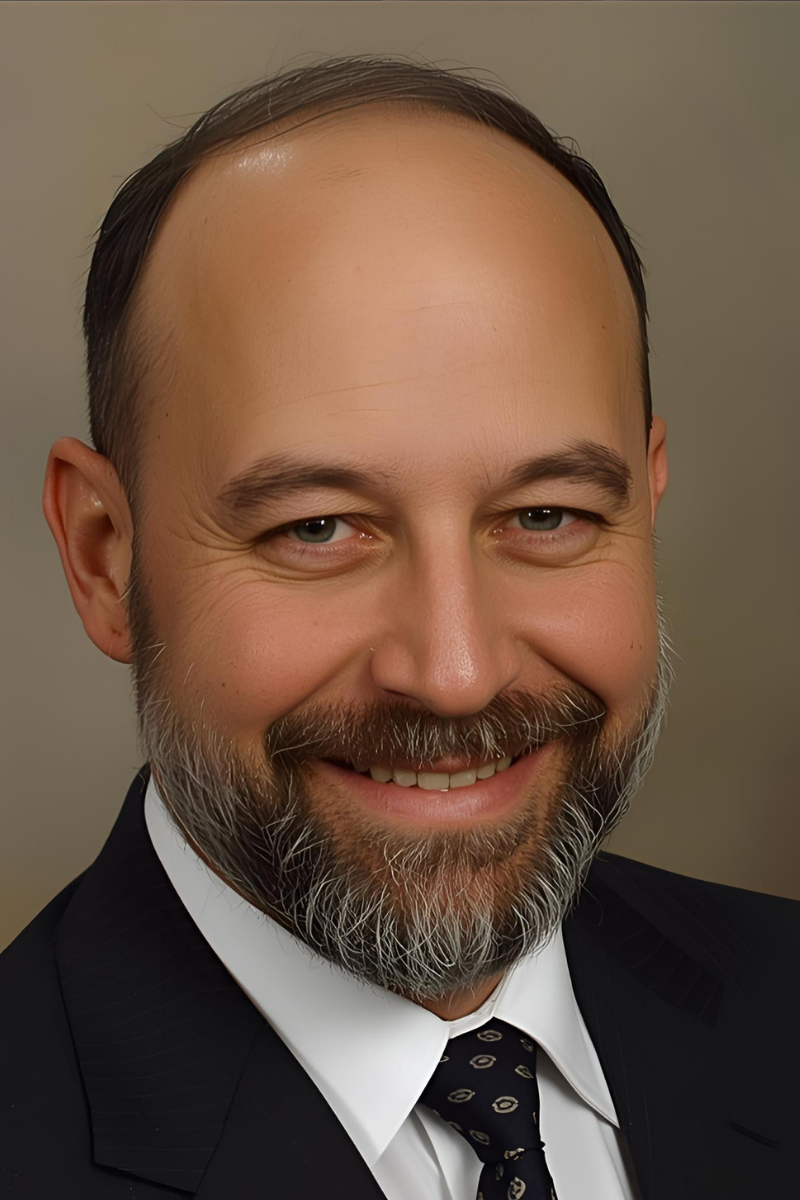
Christopher Adams is a puzzle enthusiast and riddle creator from the USA. He is known for mixing humor with logic, producing riddles that make readers laugh while they think.