
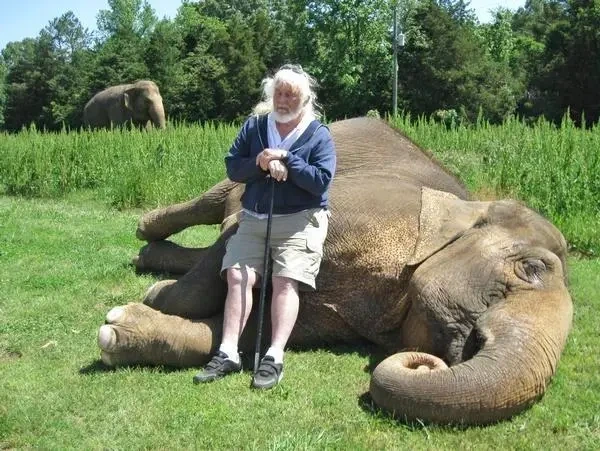
Animal enthusiasts across the USA often seek stories of wildlife havens. Riddle’s Elephant and Wildlife Sanctuary stands out as a chapter in conservation history. Founded in Arkansas, it offered refuge to elephants for decades. Though closed now, its tale inspires many. Families and educators find value in learning about its operations. This piece explores the sanctuary’s journey from start to end. You’ll see how it shaped views on animal care. Plus, it connects to broader efforts in the field. Dive in to uncover details on founders and animals. Understand its place in American wildlife narratives. The story reflects dedication to rescued creatures. It also highlights challenges faced along the way.
Quick Answer
Riddle’s Elephant and Wildlife Sanctuary was a 330-acre facility in Greenbrier, Arkansas, providing care for retired and rescued elephants from 1990 to 2020. Founded by Scott and Heidi Riddle, it focused on breeding and education before closing. Its legacy influences ongoing U.S. elephant conservation.
Table of Contents
• Riddle’s Elephant Sanctuary Closed • Riddle’s Elephant Sanctuary History • Riddle’s Elephant Sanctuary Abuse • Riddle’s Elephant Sanctuary Elephants • Elephant Sanctuaries in Arkansas • The Elephant Sanctuary Tennessee • Paws Elephant Sanctuary • Elephant Sanctuaries USA • Scott Riddle Elephant Trainer • Heidi Riddle Conservation • Elephant Breeding Farm Arkansas • Saving Elephants Tea • Arkansas Elephants • Greenbrier Arkansas Attractions • Wildlife Sanctuaries Arkansas • Elephant Rescue USA
TL;DR
• Sanctuary operated 1990-2020 in Arkansas. • Founded by elephant trainers Scott and Heidi. • Housed retired circus elephants mainly. • Closed with animals relocated safely. • Legacy includes conservation lessons. • Ethical debates shaped discussions.
Riddle’s Elephant Sanctuary Closed
The closure marked the end of an era for this Arkansas facility. It shut down in 2020 after three decades of operation. Elephants found new homes elsewhere. • Final operations wrapped up quietly. • Property spanned 330 acres in Ozarks. • Last elephant departed in 2020. • No public visits after closure. • Founders shifted to other projects. • Site remains private land today. • Relocation ensured animal welfare. • Closure tied to operational changes. • No reopen plans for 2025. • Legacy lives through stories. • Former staff pursued new roles. • Community felt the impact locally. • Documents preserved in archives. • Online databases track history. • Closure sparked reflection on sanctuaries. • Lessons applied to current facilities.
Riddle’s Elephant Sanctuary History
This sanctuary began as a vision for elephant care in the USA. It grew from a small idea into a full operation. Key events shaped its path over years. • Started in 1990 by Riddles. • Located near Greenbrier town. • Focused on retired animals initially. • Expanded to include breeding. • Hosted educational programs often. • Faced challenges in 2000s. • Operated as non-profit entity. • Attracted visitors from afar. • Collaborated with other groups. • Documented in local media. • Evolved care practices gradually. • Marked milestones with events. • Influenced Arkansas wildlife scene. • Archived photos show growth. • History tied to circus past. • Ended operations in 2020.
Riddle’s Elephant Sanctuary Abuse
Discussions around care practices drew attention over time. Some raised concerns about handling methods. Reviews varied from positive to critical. • Allegations surfaced in forums. • Handlers faced scrutiny online. • Practices linked to circus training. • Debates on ethical standards. • Visitors shared mixed experiences. • Reports highlighted trainer methods. • Comparisons to other facilities. • Responses from sanctuary varied. • Investigations noted in records. • Impact on public perception. • Lessons for modern sanctuaries. • Focus on animal welfare. • Claims debated in communities. • Historical context considered often. • Reviews preserved on sites. • Shaped ongoing conversations.
Riddle’s Elephant Sanctuary Elephants
The animals formed the heart of this place. Each had a unique story from arrival to stay. Records detail their lives carefully. • Many came from circuses. • Some born on site. • Health monitored regularly. • Diets tailored to needs. • Social groups formed naturally. • Names like Amy, Betty. • Ages ranged widely. • Behaviors observed daily. • Relocations post-closure documented. • Photos capture daily life. • Interactions with staff noted. • Enrichment activities provided. • Veterinary care was key. • Stories shared in databases. • Legacy through offspring. • Rescue tales inspired many.
Elephant Sanctuaries in Arkansas
Arkansas hosted this unique spot for elephants. It stood out among local wildlife efforts. Other sites offer similar vibes today. • Riddle’s was primary one. • Focused on large animals. • Set in Ozark foothills. • Influenced state conservation. • Visitors explored nearby nature. • Collaborations with local groups. • Educational outreach in schools. • Wildlife focus beyond elephants. • Trails around the area. • Community events held often. • Ties to Arkansas history. • Alternatives emerged post-closure. • State parks complement experiences. • Focus on native species. • Tourism boosted by sanctuary. • Legacy in regional guides.
The Elephant Sanctuary Tennessee
This facility offers a model for elephant care in the USA. It differs in approach from past sites. Many seek it for visits. • Located in Hohenwald area. • Emphasizes natural habitats. • No public tours allowed. • Focus on retired elephants. • Large acreage for roaming. • Veterinary team on site. • Conservation education online. • Relocated animals from others. • Founded in mid-1990s. • Accredited by associations. • Donor support is key. • Stories shared via updates. • Comparisons highlight differences. • Influences national standards. • Wildlife integration noted. • Ongoing expansions planned.
Paws Elephant Sanctuary
Known for rescuing performing animals, this place provides refuge. It handles various species with care. Efforts extend beyond elephants. • Based in California region. • Rescues from entertainment. • Large enclosures for movement. • Medical facilities advanced. • Staff includes experts. • Public awareness campaigns. • Partnerships with groups. • Animal stories featured. • Founded decades ago. • Focus on welfare laws. • Visitor programs limited. • Donations fund operations. • Comparisons to Arkansas sites. • Influences policy changes. • Wildlife variety housed. • Legacy in rescue field.
Elephant Sanctuaries USA
Across the country, havens protect these giants. They vary in size and focus. Many draw from past experiences like Riddle’s. • Tennessee leads in space. • California offers rescues. • Standards set by federations. • Accreditation ensures quality. • Focus on natural behaviors. • Education is common goal. • Donor models sustain them. • Relocations from zoos. • Veterinary networks support. • Public engagement varies. • Conservation ties global. • Alternatives for visitors. • Growth in recent years. • Challenges include funding. • Impacts on laws. • Stories inspire support.
Scott Riddle Elephant Trainer
A key figure in elephant care, he brought experience from circuses. His work shaped the sanctuary’s early days. Background influenced methods. • Started in circus world. • Trained many animals. • Founded sanctuary in 1990. • Focused on breeding programs. • Faced public scrutiny. • Contributed to education. • Collaborated with wife Heidi. • Legacy in training field. • Stories from former staff. • Influences on care practices. • Documented in articles. • Shifted to sanctuary life. • Challenges in later years. • Role in relocations. • Historical photos available. • Impact on Arkansas.
Heidi Riddle Conservation
She continues work in elephant protection globally. Her efforts extend beyond the sanctuary. Focus includes innovative approaches. • Co-founded Arkansas facility. • Involved in tea projects. • Promotes habitat preservation. • Works with international groups. • Educates on threats. • Post-closure activities noted. • Speaks on conservation. • Links to Asian efforts. • Influences policy discussions. • Stories in magazines. • Collaborates with clubs. • Focus on human-elephant ties. • Innovative funding ideas. • Legacy inspires others. • Ongoing projects in 2025. • Ties to family work.
Elephant Breeding Farm Arkansas
This aspect highlighted reproduction efforts at the site. It aimed to support populations. Records show outcomes over time. • Part of sanctuary operations. • Focused on captive breeding. • Several births recorded. • Veterinary oversight key. • Challenges in programs. • Influences from founders. • Documented in databases. • Ties to conservation goals. • Offspring relocated later. • Historical significance noted. • Comparisons to wild efforts. • Lessons for future farms. • Arkansas setting unique. • Staff expertise utilized. • End with closure. • Legacy in breeding field.
Saving Elephants Tea
An innovative way to aid conservation through products. It ties to broader efforts. Heidi Riddle champions this approach. • Links tea to habitats. • Reduces forest loss. • Supports elephant areas. • Involves local communities. • Promotes sustainable practices. • Featured in articles. • Ties to Asian regions. • Consumer involvement easy. • Impacts on wildlife. • Educational campaigns run. • Partnerships with clubs. • Growth in popularity. • Funds rescue work. • Stories from fields. • Ongoing in 2025. • Inspires similar ideas.
Arkansas Elephants
The state has a unique tie to these animals through the sanctuary. Historical presence draws interest. Local stories abound. • Riddle’s brought focus. • Circus history links. • Educational programs local. • Wildlife ties expanded. • Community involvement noted. • Photos from past. • Influences on tourism. • Native species contrasts. • Conservation lessons applied. • State parks connections. • Historical markers possible. • Stories in magazines. • Legacy for residents. • Ties to Ozarks. • Animal care evolution. • Reflections in 2025.
Greenbrier Arkansas Attractions
This town hosted the sanctuary as a draw. Other spots offer nature and history. Visitors explored the area often. • Sanctuary was key highlight. • Nearby parks for hikes. • Local history museums. • Outdoor activities abound. • Community events yearly. • Ties to wildlife. • Dining options simple. • Lodging near site. • Scenic drives popular. • Family-friendly spots. • Influences from past. • Growth post-closure. • Alternatives for tourists. • Nature preserves nearby. • Reflections on legacy. • 2025 guides available.
Wildlife Sanctuaries Arkansas
The state boasts various havens for animals. Riddle’s added to this list historically. Others continue the work. • Focus on native wildlife. • Parks serve as sanctuaries. • Educational centers common. • Conservation groups active. • Visitor programs vary. • Ties to national efforts. • Funding from donors. • Animal rescue stories. • Comparisons to Riddle’s. • Growth in awareness. • Local species protected. • Community support key. • Historical sites noted. • Ongoing in 2026. • Influences policy. • Legacy inspires.
Elephant Rescue USA
Efforts across the country save these animals from harm. Organizations lead the way. Stories highlight successes and needs. • Focus on retired ones. • Partnerships with zoos. • Veterinary teams essential. • Public awareness campaigns. • Funding drives annual. • Relocations carefully planned. • Education on threats. • Ties to global work. • Success cases shared. • Challenges include space. • Volunteer roles available. • Influences from past. • Growth in facilities. • Stories inspire action. • Ongoing rescues 2025. • Legacy from sites like Riddle’s.
FAQs
Is Riddle’s Elephant and Wildlife Sanctuary still open?
No, it closed in 2020. All operations ceased then. Elephants moved to other facilities.
Why did Riddle’s Elephant Sanctuary close?
Operations ended due to various factors including relocations. Founders shifted focus elsewhere. No specific public reason dominated.
Who founded Riddle’s Elephant and Wildlife Sanctuary?
Scott and Heidi Riddle started it in 1990. They brought circus experience. Their vision drove the project.
What animals were at Riddle’s Elephant Sanctuary?
Mainly elephants from circuses. Some other wildlife too. Focus stayed on large mammals.
Was Riddle’s Elephant Sanctuary ethical?
Opinions varied widely. Some praised care efforts. Others raised handling concerns.
How many elephants were at Riddle’s?
Numbers fluctuated over years. Records show dozens housed. Database tracks each one.
Conclusion
Riddle’s Elephant and Wildlife Sanctuary leaves a mark on wildlife history. Its story teaches about care and challenges. Reflect on its role in conservation today.
