
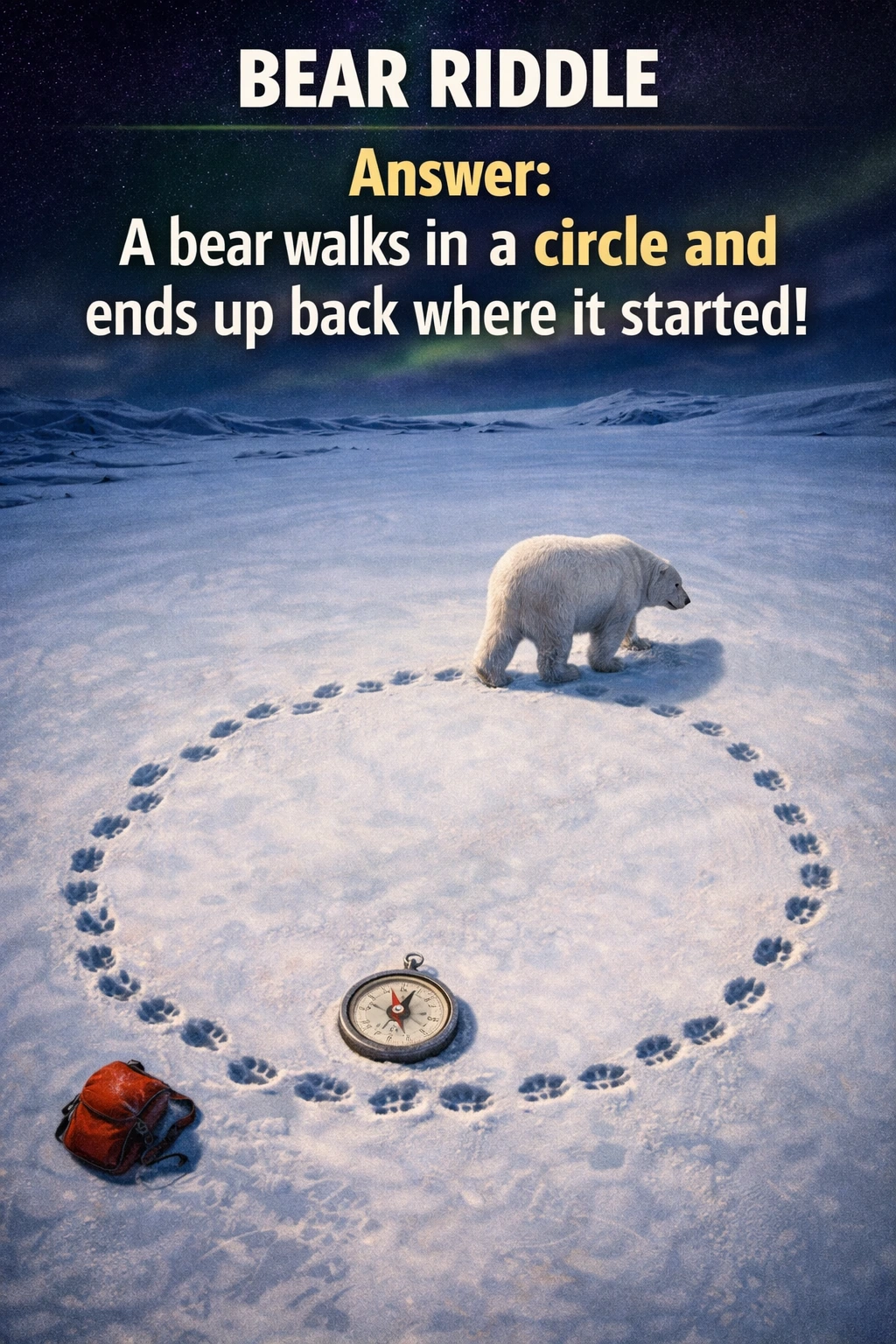
Riddles have always been a fun way to test creativity and spark curiosity, and the bear riddle is one of the most loved styles of all. Whether it’s a clever pun, a funny twist, or a surprisingly smart answer, bear riddles appeal to kids, adults, teachers, and puzzle lovers alike.
Bears are familiar, expressive, and full of personality. That makes them perfect for playful word puzzles that entertain while quietly sharpening thinking skills. From teddy bears to polar bears, these riddles show up in classrooms, party games, family nights, and online challenges. This guide explores what bear riddles are, why they work so well, popular examples, and how you can create your own.
Quick Answer
A bear riddle is a short puzzle or question that uses bears, bear behavior, or the word “bear” itself to create a clever or humorous answer. The fun comes from wordplay, misdirection, and unexpected twists.
TL;DR
• Bear riddles are fun word-based puzzles
• They use humor, puns, and clever clues
• Suitable for kids and adults
• Popular in classrooms and games
• Easy to share and remember
What Is a Bear Riddle?
Bear riddles are lighthearted puzzles built around bears or bear-related ideas. They may describe physical traits, habits, or even use the word “bear” in a surprising way.
These riddles often rely on double meanings. Sometimes “bear” refers to the animal, and other times it means to carry, tolerate, or reveal something hidden. That mix keeps solvers guessing and makes the answer feel rewarding.
Because bears appear in stories, cartoons, and everyday language, the riddles feel familiar while still being clever.
Popular Bear Riddle Examples
Some bear riddles are famous because they’re simple, funny, and easy to remember.
One classic asks what kind of bear never grows up. The answer, of course, is a teddy bear. Another favorite asks what you call a bear with no teeth, leading to the playful answer: a gummy bear.
These riddles work because they guide you in one direction, then gently surprise you with wordplay. The humor is clean, universal, and timeless.
Why Bear Riddles Are So Popular
Bear riddles stand out because they balance humor and thinking. They’re not too hard, but they’re not boring either.
Bears are instantly recognizable animals, and many people associate them with warmth, strength, or comfort. That emotional connection makes riddles feel friendly rather than frustrating.
They’re also easy to adapt. A bear riddle can be silly for kids or cleverly layered for adults, depending on how it’s written.
Bear Riddles for Kids
Kids love bear riddles because they’re playful and easy to imagine. Teddy bears, cartoon bears, and honey-loving bears all feel familiar.
These riddles help children develop language skills, listening skills, and logical thinking. Because the answers are often funny, kids stay engaged and eager to solve more.
Teachers and parents often use bear riddles as icebreakers or quick thinking activities.
Bear Riddles for Adults
For adults, bear riddles often lean more heavily into wordplay and subtle clues. The challenge comes from interpreting the language rather than knowing facts.
These riddles are popular at trivia nights, social gatherings, and online puzzle forums. They offer a quick mental workout without feeling stressful.
Even adults enjoy the nostalgic charm of bear-themed humor.
Educational Benefits of Bear Riddles
Bear riddles quietly support learning. They encourage problem-solving, pattern recognition, and creative thinking.
In classrooms, riddles help students practice reading comprehension and critical thinking. In group settings, they encourage discussion and teamwork.
Because riddles feel like play, learners often absorb skills without realizing they’re learning.
How Bear Riddles Use Wordplay
Wordplay is the heart of a great bear riddle. Many rely on puns using words like “bear,” “bare,” “grizzly,” or “paw.”
Others play with expectations. The riddle might sound serious, but the answer is humorous. This contrast keeps the brain engaged and rewards flexible thinking.
That clever language is what makes bear riddles memorable.
How to Create Your Own Bear Riddle
Creating a bear riddle starts with choosing a familiar bear trait. Think about fur, size, honey, sleep, or strength.
Next, add a twist. Use a word with two meanings or describe the bear in an unexpected way. Keep the question short and the answer simple.
Test your riddle on friends or family. If they smile or groan, you’ve probably done it right.
Where Bear Riddles Are Commonly Used
Bear riddles appear in many everyday settings. They’re popular in classrooms, children’s books, party games, and family gatherings.
You’ll also see them shared on social media, puzzle websites, and greeting cards. Their short format makes them easy to remember and repeat.
Anywhere people enjoy lighthearted thinking, bear riddles fit right in.
FAQs
What is the most famous bear riddle?
One of the most well-known is: “What kind of bear never grows up?” The answer is a teddy bear.
Are bear riddles only for children?
No. While kids enjoy them, many bear riddles are written for adults and rely on clever wordplay.
Why are bears used so often in riddles?
Bears are familiar, expressive, and culturally well-known, making them perfect for playful puzzles.
Can bear riddles help with learning?
Yes. They improve critical thinking, language skills, and problem-solving in a fun way.
How long should a bear riddle be?
Most bear riddles are short, usually one or two sentences, with a simple but clever answer.
Conclusion
The bear riddle is a perfect example of how simple ideas can create lasting fun. With familiar characters, clever language, and unexpected answers, these riddles entertain across ages and settings. Whether you’re solving one, sharing one, or creating your own, bear riddles prove that a little wordplay can go a long way in making people think and smile.
