
If you have a website, blog, or online business, simply publishing content is not enough. Millions of pages compete for attention every day, and without the right approach, your content can easily remain invisible. That’s where SEO comes in.
SEO, or Search Engine Optimization, is the process of improving your website so that it appears higher in search engine results. When done correctly, it brings consistent, organic traffic without relying on paid ads. Whether you’re a beginner or someone looking to strengthen your foundation, understanding the basics is essential.
This guide will walk you through everything you need to know—from core concepts to practical steps—so you can confidently build a strong online presence.
What Is SEO? (Quick Answer)
SEO is the practice of optimizing your website and its content so that search engines like Google can understand it, rank it, and show it to users searching for relevant topics.
In simple terms:
It helps your website get discovered by the right people at the right time.
How Search Engines Work
Before diving deeper, it’s important to understand how search engines operate. They follow three main steps:
Crawling
Search engines use automated programs (called bots or spiders) to discover content across the web. These bots scan pages, follow links, and collect data.
Indexing
After crawling, the content is stored in a massive database known as the index. This is where search engines organize and categorize information.
Ranking
When someone performs a search, the engine analyzes the indexed content and ranks pages based on relevance, quality, and many other factors.
Your goal is to make your website easy to crawl, valuable to index, and worthy of ranking high.
Why SEO Matters
SEO is not just about traffic—it’s about the right traffic.
It helps you:
- Reach people actively searching for your content or services
- Build trust and credibility over time
- Reduce dependency on paid advertising
- Generate consistent, long-term results
Unlike paid ads, SEO continues to work even when you stop actively investing money.
The Core Elements of SEO
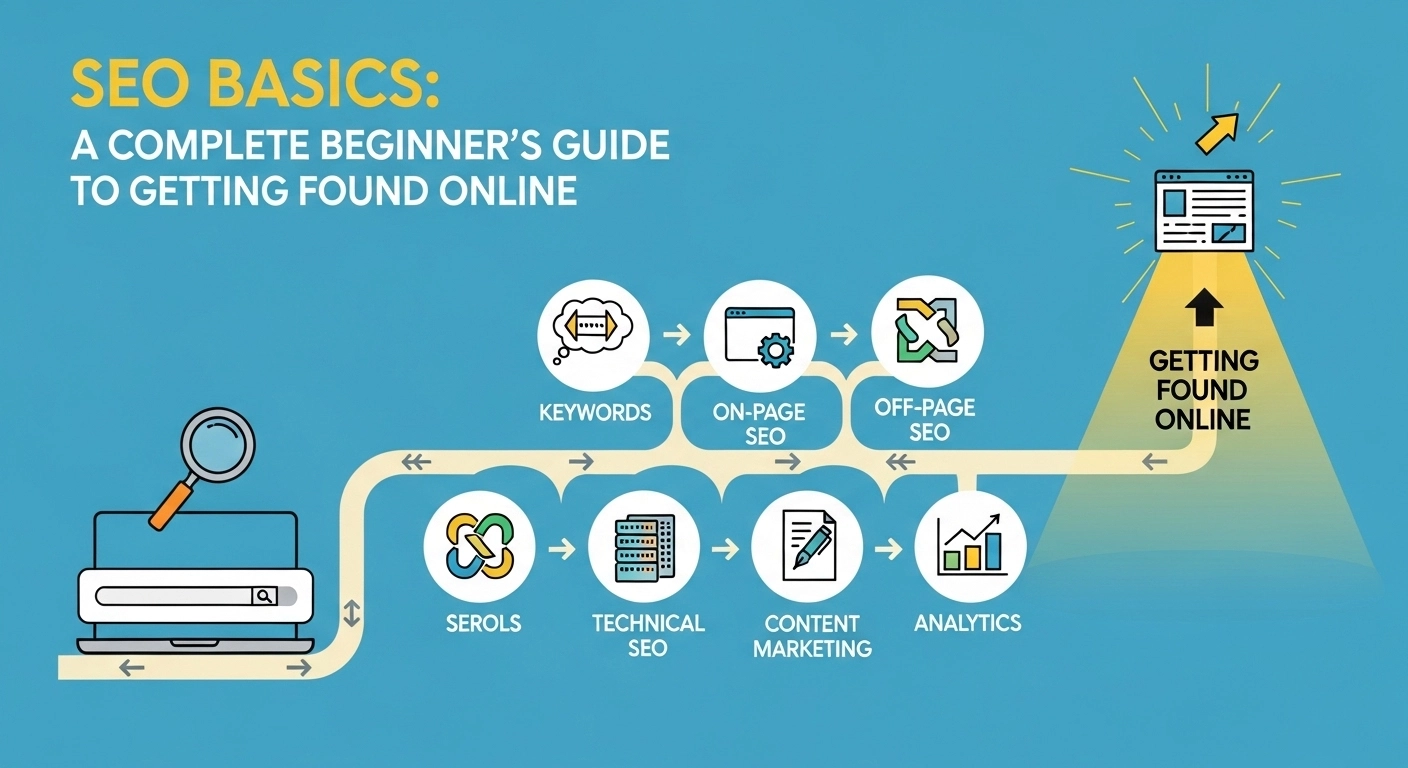
SEO is generally divided into three main areas: on-page, off-page, and technical.
On-Page SEO
This focuses on optimizing the content and elements on your website.
Content Quality
Content should be useful, relevant, and clearly written. It should answer user questions and provide real value.
For example, if someone searches “how to start a blog,” your content should give step-by-step guidance—not vague advice.
Keywords
Keywords are the terms people type into search engines.
Instead of guessing, you should:
- Identify what your audience searches for
- Use those terms naturally in your content
- Avoid overusing them unnaturally
Titles and Headings
Your page title and headings should clearly describe the content. They help both users and search engines understand your page.
Internal Linking
Linking to other pages on your website helps users navigate and allows search engines to understand your site structure.
Off-Page SEO
This refers to actions taken outside your website to improve credibility.
Backlinks
Backlinks are links from other websites to yours. They act like votes of confidence.
For example, if a reputable site links to your article, search engines see it as a sign of trust.
Brand Mentions
Even when your website isn’t linked directly, mentions across the web can build authority.
Technical SEO
This ensures your website works properly from a technical perspective.
Website Speed
Slow websites frustrate users and reduce rankings. Faster pages provide a better experience.
Mobile Friendliness
Most users browse on mobile devices. Your site must work well on all screen sizes.
Secure Connection (HTTPS)
Security is important. Websites with HTTPS are considered more trustworthy.
Site Structure
A well-organized website makes it easier for both users and search engines to navigate.
Keyword Research: The Foundation
Keyword research is the starting point of effective SEO.
How to Find Keywords
You can:
- Think from the user’s perspective
- Use keyword tools
- Analyze competitor content
Types of Keywords
Short-Tail Keywords
Broad terms like “shoes” or “fitness.” High competition.
Long-Tail Keywords
More specific phrases like “best running shoes for beginners.” Lower competition and higher intent.
Choosing the Right Keywords
Focus on:
- Relevance
- Search intent
- Achievable competition level
For beginners, long-tail keywords are often the best starting point.
Creating Content That Ranks
Good content is at the heart of SEO.
Understand Search Intent
Every search has a purpose. It may be:
- Informational (learning something)
- Navigational (finding a specific site)
- Transactional (ready to buy)
Your content must match that intent.
Write for Humans First
While optimization is important, your content should always feel natural and helpful.
Structure Matters
Break content into sections with headings. Use short paragraphs for readability.
Add Depth and Value
Don’t just repeat what others say. Add:
- Examples
- Insights
- Practical steps
On-Page Optimization Essentials
Optimizing individual pages can significantly improve visibility.
Title Tag
Keep it clear, relevant, and engaging. It should include your main keyword naturally.
Meta Description
This short summary appears in search results. It should encourage users to click.
URL Structure
Keep URLs simple and descriptive. Avoid unnecessary characters.
Image Optimization
Use descriptive file names and add alt text to help search engines understand images.
Link Building Basics
Building links is one of the most powerful ways to improve rankings.
Natural Link Building
Create content that others want to reference. High-quality content attracts links organically.
Outreach
You can also:
- Contact bloggers
- Share your content
- Build relationships
Avoid Spammy Tactics
Buying low-quality links or using shortcuts can harm your site.
Important Points People Often Overlook
Many beginners focus only on keywords and ignore other crucial factors.
User Experience
If visitors leave your site quickly, it signals poor quality. Focus on readability, design, and navigation.
Consistency
SEO is not a one-time effort. Regular updates and fresh content matter.
Patience
Results take time. It can take weeks or months to see meaningful improvements.
Content Updates
Refreshing old content can boost performance without creating something new.
Common Mistakes and Misconceptions
Understanding what not to do is just as important.
Keyword Stuffing
Overloading content with keywords makes it unreadable and ineffective.
Ignoring Mobile Users
A site that doesn’t work on mobile will lose a large portion of traffic.
Expecting Instant Results
SEO is a long-term strategy, not a quick fix.
Copying Content
Duplicate content can harm rankings and credibility.
Focusing Only on Traffic
Traffic is useless if it doesn’t convert or provide value.
Practical Tips and Best Practices
To build a strong foundation, follow these proven practices:
Start Small
Focus on a few topics and build authority gradually.
Be Consistent
Publish regularly rather than all at once.
Monitor Performance
Use tools to track traffic, rankings, and user behavior.
Improve Existing Content
Updating old articles is often easier than creating new ones.
Focus on Quality Over Quantity
One high-quality page is better than ten weak ones.
FAQs
What is the most important factor in SEO?
There is no single factor, but high-quality, relevant content combined with good user experience plays the biggest role.
How long does it take to see results?
Typically, it takes 3 to 6 months to see noticeable improvements, depending on competition and effort.
Do I need technical skills to start?
No. Beginners can start with basic knowledge and gradually learn technical aspects over time.
Is SEO better than paid ads?
Both have their place. SEO provides long-term results, while ads offer immediate visibility.
How often should I update my content?
Review and update important content every few months to keep it accurate and relevant.
Conclusion
SEO is one of the most valuable skills for anyone with an online presence. While it may seem complex at first, the fundamentals are straightforward: understand your audience, create valuable content, and make your website easy to use and access.
Success doesn’t come overnight, but with consistency, patience, and the right approach, SEO can become a powerful engine for long-term growth. Start small, stay focused, and keep improving—your efforts will compound over time.

Edgar Allan Poe is one of America’s most iconic literary figures, celebrated for his mysterious short stories and haunting poems. Known as the master of gothic fiction, Poe’s works often contain riddles, codes, and puzzles that continue to inspire mystery lovers around the world.