
Irish riddles have long been a staple of both Irish culture and the broader world’s love for clever wordplay. These puzzles, often brimming with charm and wit, are steeped in tradition, blending nature, folklore, and everyday life. Whether you’re looking to entertain at a St. Patrick’s Day party, teach kids a bit of Irish humor, or simply enjoy the clever turns of phrase, Irish riddles provide the perfect balance of fun and thought. From simple riddles about potatoes and shamrocks to more intricate puzzles rooted in ancient folklore, these riddles have something for everyone. Let’s dive into some of the most delightful Irish riddles, their origins, and how you can use them to bring laughter and learning to your next gathering.
Quick Answer
Irish riddles are short puzzles rooted in Celtic folklore and everyday Irish life. They combine wordplay, nature imagery, and playful logic — often referencing shamrocks, potatoes, or traditional Irish objects.
Table of Contents
- Folklore Roots of Irish Riddles
- Everyday Life and Nature in Riddles
- Humor and Wordplay: The Light‑Hearted Side
- Riddles for Kids and Families
- Holiday and St. Patrick’s Day Riddles
- Simple Classic Riddles to Try
- Riddles from Old Collections
- Modern Online Irish Riddle Collections
- Why Irish Riddles Feel Universal
- How to Use Irish Riddles Today
- Riddle Themes: Nature, Food, Objects
- Riddle Themes: Myth, Folklore, Magic
- Crafting Your Own Irish‑Style Riddle
- Sharing Riddles in Parties or Schools
- Common Mistakes with Riddles
- Tips for Enjoying and Preserving Irish Riddle Tradition
- FAQs
- Conclusion
TL;DR
- Irish riddles come from folk tradition and everyday magic.
- They often use nature, food, or Celtic cultural symbols.
- Riddles range from deep folklore to funny puns.
- Great for kids, families, holidays like St. Patrick’s Day.
- You can use or adapt them today for fun and education.
Folklore Roots of Irish Riddles
Irish riddles often trace to old oral traditions and rural communities.
• Riddles once circulated by word‑of‑mouth among families and neighbors.
• They reflect local life: farming, weather, everyday tasks.
• They use simple imagery: pots, sponges, trousers — grounded in reality.
• Some turn physical tools or objects into playful puzzles.
• Others evoke local superstitions or nature with subtle humor.
• Each riddle carried community memory and shared laughter.
Everyday Life and Nature in Riddles
Many Irish riddles draw from the natural world or daily chores.
• “Sixteen legs and cannot walk,” found in pairs of trousers, stands as a playful mystery. (duchas.ie)
• A riddle of nature: wood’s bark spinning round the wood is a twist on the world’s cycles. (aletterfromireland.com)
• A potato may “have eyes but cannot see” — a simple yet profound observation. (duchas.ie)
• Even a sponge, despite being “full of holes,” manages to hold water — proving that appearances deceive. (duchas.ie)
• Mundane tasks and rural imagery often pop up, grounding riddles in the everyday.
• This connection to the ordinary makes riddles universal, accessible, and enjoyable without requiring mythological knowledge.
The structure keeps things fresh while still maintaining the essence of the original thoughts!
Humor and Wordplay: The Light‑Hearted Side
Irish riddles often lean on clever wordplay or puns.
• “Which Irish rock is lighter than a feather? — A shamrock.” (irishpost.com)
• Many riddles take everyday words and twist meaning or context for a laugh.
• The humor can be subtle — a play on words — or outright silly and fun.
• They show that wit doesn’t need complexity; simple misdirection can do the job.
• This lightheartedness keeps Irish riddles popular among all ages.
• It also helps them fit modern uses — captions, parties, or friendly banter.
Riddles for Kids and Families
Irish riddles are often family‑friendly and easy enough for children.
• Many rely on basic objects: a potato, a sponge, a pair of trousers.
• Short and simple wording makes them ideal for playful learning.
• They help kids think creatively about ordinary items.
• Parents can use them to share culture in a fun way.
• Some reflect folklore; others are pure fun — both suit family settings.
• They’re a way to entertain, teach, and bond across generations.
Holiday and St. Patrick’s Day Riddles
Because they use Irish symbols and folklore, these riddles work well for holidays.
• Some riddle sets highlight shamrocks, leprechauns, and lucky themes. (riddlesnest.com)
• They bring a festive tone to celebrations like St. Patrick’s Day.
• You can use them in parties, schools, or social media posts.
• Easy riddles make for lighthearted drinking‑game style fun (without offense).
• They bridge holiday traditions with humor and heritage.
• They help share Irish culture in a playful, inclusive way.
Simple Classic Riddles to Try
Here are a few classic-style Irish riddles to try out:
• What has eyes but can never see? Answer: a potato. (duchas.ie)
• What is full of holes but can hold water? Answer: a sponge. (duchas.ie)
• What has sixteen legs and cannot walk? Answer: eight pairs of trousers. (duchas.ie)
• Which Irish rock is lighter than a feather? Answer: a shamrock. (irishpost.com)
• What goes round the wood and never enters? Answer: the bark of a tree. (aletterfromireland.com)
Riddles from Old Collections
Old archives preserve riddles passed through generations.
• Some come from old community collections recorded decades ago. (duchas.ie)
• Other riddles use imaginative or whimsical language typical of rural wit.
• That heritage shows how culture, environment, and humor blended in Irish rural life.
• These riddles often reveal more about daily living, tools, and nature than myth or folklore.
• Preserving them helps keep a bit of everyday history alive.
• They’re a reminder of how storytelling and laughter lived in simple times.
Modern Online Irish Riddle Collections
Today you can find plenty of Irish riddles online — old, new, funny, serious.
• Some sites mix folklore riddles with modern jokes and puns. (jokescrafter.com)
• Others curate long lists — great for teachers, party hosts, or anyone looking for inspiration. (riddlesquest.com)
• These collections make Irish riddles accessible beyond Ireland.
• They help spread Irish-style wit worldwide.
• They also show how flexible riddles are — from street folklore to digital sharing.
• If used right, they keep tradition alive while fitting modern lifestyles.
Why Irish Riddles Feel Universal
Irish riddles do more than reflect Ireland — they tap into human nature.
• They draw on common objects and experiences everyone understands.
• Their playful logic and wordplay appeal to many cultures.
• They balance simplicity and cleverness.
• Through humor or surprise, they make people think differently about mundane things.
• They bring people together — laughter is universal.
• That’s why people everywhere enjoy them, even if they’ve never been to Ireland.
How to Use Irish Riddles Today
You can use Irish riddles in many modern settings:
• Family game nights to spark laughter.
• Classroom or language‑learning sessions to teach wordplay.
• Holiday gatherings — especially around March or themed parties.
• Social media captions or posts for festive mood.
• Writing prompts — ask readers to guess or write their own.
• Cultural sharing — helps spread Irish spirit globally.
Riddle Themes: Nature, Food, Objects
Irish riddles draw on everyday surroundings:
• Nature: plants (shamrock), trees, countryside imagery.
• Food: potatoes — a staple; references to simple rural diet.
• Common objects: pots, sponges, clothes — things familiar to all.
• Rural tools: old implements, daily chores, working life.
• Weather or landscapes — subtle touches of environment.
• Familiar everyday scenes make riddles relatable.
Riddle Themes: Myth, Folklore, Magic
Beyond earth and objects, some riddles hint at myth or magic:
• Shamrock as lucky or symbolic plant.
• References to fairies, leprechauns — though more common in jokes and puns.
• Using cultural motifs — adding a mystical or whimsical layer.
• This blend of myth and mundane gives Irish riddles unique charm.
• It reflects how folklore lives with everyday life in Irish culture.
• For many, that mix feels magical — and fun.
Crafting Your Own Irish‑Style Riddle
Ready to invent one? Try this approach:
• Pick a common object or animal.
• Think of a clever double meaning or surprising twist.
• Use simple, everyday language.
• Reference nature, simple chores, or common items.
• Aim for a surprise in the punchline.
• Let subtle humor or mild irony lead the way.
Sharing Riddles in Parties or Schools
Irish riddles work great when shared aloud.
• Ask a group to guess — encourages interaction.
• Use for ice‑breakers or family fun nights.
• Great for cultural or holiday themes.
• Good for multi‑generational settings — kids to grandparents.
• You can mix old traditional riddles with modern jokes.
• It’s a simple, fun way to bring people together around a bit of Irish charm.
Common Mistakes with Riddles
Avoid these pitfalls when using or writing riddles:
• Don’t overcomplicate — keep them short and clear.
• Avoid obscure references — use familiar objects.
• Steer clear of mean or offensive humor — keep them friendly.
• Don’t rely only on myth — balance everyday logic with cleverness.
• Avoid stale or obvious answers — aim for a twist.
• Ensure readability — riddles should invite, not frustrate.
Tips for Enjoying and Preserving Irish Riddle Tradition
To keep the tradition alive:
• Share riddles with younger generations.
• Mix oral tradition with modern sharing (social media, blogs).
• Keep a mix — simple everyday riddles and folklore-based ones.
• Encourage creative spinning — invite others to invent new riddles.
• Use riddles in storytelling or cultural sessions.
• Appreciate how they reflect a culture of wit, community, and shared laughter.
FAQs
What are some classic Irish riddles and their answers?
Classic examples: “What has eyes but can never see?” (Answer: potato), “Full of holes yet holds water?” (Answer: sponge), and “Which Irish rock is lighter than a feather?” (Answer: shamrock).
Where do traditional Irish riddles come from?
They often come from rural Irish communities, passed down orally across generations, rooted in daily life and local folk wisdom.
Are Irish riddles mostly for kids or adults?
They work for both — simple ones suit kids and families; others use playful wordplay or cultural references adults enjoy.
What themes do Irish riddles often use?
Common themes include nature, everyday objects, food (like potatoes), rural life, and sometimes light folklore or magical imagery.
Can Irish riddles be used for holidays like St. Patrick’s Day?
Yes — many riddles feature shamrocks, leprechauns, or Irish symbols, making them great for holiday fun and celebrations.
How many Irish riddle collections are available online?
There are dozens — from small folklore archives to large compilations of 70+, 125+, or 160+ riddles, covering a wide range of styles.
Do Irish riddles mix folklore and everyday life?
Absolutely — some reflect mythic or magical elements, while many remain rooted in the mundane: objects, chores, and nature.
Conclusion
Irish riddles offer a delightful mix of simple logic, playful wordplay, and cultural charm. Whether drawn from old folk tradition or modern humor, they bring laughter and a sense of shared heritage. Feel free to use, share, or even create your own — the world of Irish riddles welcomes everyone with a wink and smile.
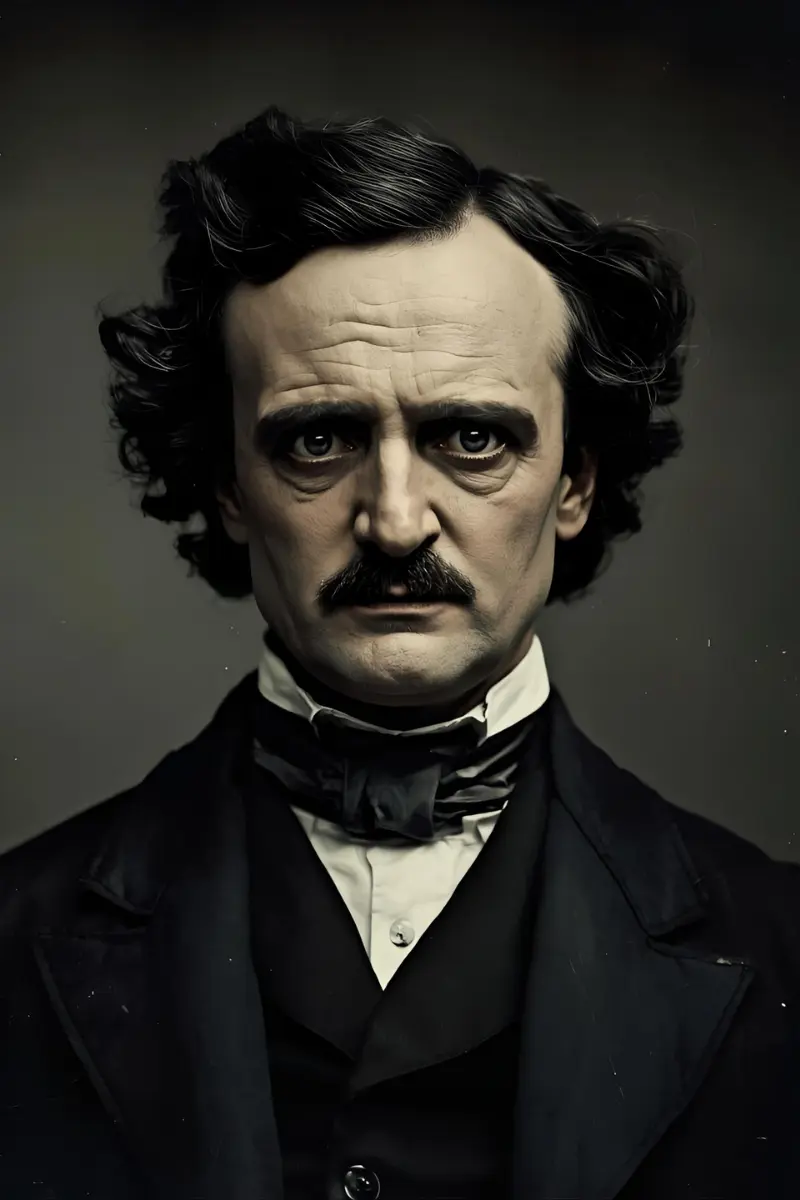
Edgar Allan Poe is one of America’s most iconic literary figures, celebrated for his mysterious short stories and haunting poems. Known as the master of gothic fiction, Poe’s works often contain riddles, codes, and puzzles that continue to inspire mystery lovers around the world.