

Riddle Elementary Plano is more than just a school — it’s a hub of creativity, learning, and student engagement 🌟.
Located in Plano, this elementary school emphasizes critical thinking, curiosity, and hands-on education for young learners.
Using innovative teaching methods, including riddles, games, and interactive activities, students develop not only academic skills but also problem-solving and social abilities 🤓💡.
In this guide, we explore unique ways Riddle Elementary Plano fosters learning through riddles, brain teasers, and fun classroom strategies, each packed with original tips, ideas, or riddles designed to make learning exciting.
Riddle Elementary Plano Classroom Activities 🏫🖍️
Teachers at Riddle Elementary Plano incorporate riddles into daily lessons to stimulate young minds.
- Activity 1: Start the day with a fun math riddle to warm up the brain. ➗
- Activity 2: Reading comprehension riddles to enhance literacy skills. 📖
- Activity 3: Science-based riddles about animals and plants. 🌱🦁
- Activity 4: “Guess the word” riddles to expand vocabulary. 📝
- Activity 5: Pattern recognition riddles in art and music lessons. 🎨🎵
- Activity 6: Team-based logic riddles to encourage collaboration. 🤝
- Activity 7: Mystery object riddles to develop observation skills. 🔍
- Activity 8: Seasonal riddles for holidays or special events. 🎃🎄
- Activity 9: Brain teaser challenges as weekly competitions. 🏆
- Activity 10: Story riddles that require creative endings. ✨
- Activity 11: Puzzles that integrate technology, like iPads or smartboards. 💻
- Activity 12: Reflection riddles for students to discuss with peers. 💬
Riddle Elementary Plano Math Riddles ➕🔢
Math at Riddle Elementary Plano is taught through interactive riddles to make numbers exciting.
- Riddle 1: I am a number between 5 and 10. If you double me, you get 14. What am I? 🔢
Answer: 7 - Riddle 2: I have 4 sides, all equal. What shape am I? 🟥
Answer: Square - Riddle 3: I am half of 20 and double of 5. What number am I? 💡
Answer: 10 - Riddle 4: I’m an even number, greater than 8, smaller than 12. Who am I?
Answer: 10 - Riddle 5: I have 3 sides and 3 angles. What shape am I? 🔺
Answer: Triangle - Riddle 6: I am 100 minus 25. What am I?
Answer: 75 - Riddle 7: I am the sum of 7 + 6. What am I?
Answer: 13 - Riddle 8: I’m the number of hours in half a day. What number am I? ⏰
Answer: 12 - Riddle 9: I’m a dozen minus 3. What am I?
Answer: 9 - Riddle 10: I am divisible by 2 and 3. Between 5 and 10. What am I?
Answer: 6 - Riddle 11: I come after 14 but before 16. What number am I?
Answer: 15 - Riddle 12: I am the number of sides in a hexagon. 🔷
Answer: 6
Riddle Elementary Plano Reading Riddles 📚🕵️♂️
Literacy skills are strengthened through clever and age-appropriate reading riddles.
- Riddle 1: I start with “A” and end with “E,” and I can fly. What am I? 🐦
Answer: An apple kite (creative classroom riddle) - Riddle 2: I am read every day, full of words and stories. What am I? 📖
Answer: A book - Riddle 3: I rhyme and have a beat, children love me in school. What am I? 🎵
Answer: A poem - Riddle 4: I have letters but no mail, I tell stories but never speak. What am I? ✉️
Answer: A storybook - Riddle 5: I can teach you words but I’m not alive. What am I?
Answer: A dictionary - Riddle 6: I start with “S” and end with “T,” I’m a place to learn. What am I?
Answer: School - Riddle 7: I hold knowledge on pages, big and small. What am I?
Answer: A textbook - Riddle 8: I am a story that is read aloud, often aloud to young ears. What am I?
Answer: Picture book - Riddle 9: I have a spine but no bones. What am I?
Answer: A book - Riddle 10: I have words, pictures, and tales, perfect for bedtime. What am I?
Answer: Children’s storybook - Riddle 11: I start with “R” and end with “G,” I teach you to read between the lines. What am I?
Answer: Reading - Riddle 12: I am small, rhyming, and fun to recite. What am I?
Answer: A nursery rhyme
Riddle Elementary Plano Science Riddles 🔬🌱
Science riddles spark curiosity about the world around students.
- Riddle 1: I’m invisible, you breathe me in, I keep you alive. What am I? 💨
Answer: Oxygen - Riddle 2: I shine bright in the sky during the day. What am I? ☀️
Answer: Sun - Riddle 3: I fall from clouds, wetting the earth. What am I? 🌧️
Answer: Rain - Riddle 4: I have leaves but I’m not a book. What am I? 🌿
Answer: A plant - Riddle 5: I swim in water, have fins, but no legs. What am I? 🐟
Answer: A fish - Riddle 6: I glow at night and light the way. What am I? 🌙
Answer: Moon - Riddle 7: I’m cold, frozen, and fall from the sky. What am I? ❄️
Answer: Snow - Riddle 8: I buzz, I fly, and I make honey. What am I? 🐝
Answer: A bee - Riddle 9: I’m full of colors in the sky after rain. What am I? 🌈
Answer: Rainbow - Riddle 10: I turn brown in fall and green in spring. What am I? 🍁
Answer: A tree - Riddle 11: I’m the center of our solar system. What am I? ☀️
Answer: Sun - Riddle 12: I am a rock that floats in space. What am I? 🌌
Answer: Meteor
Riddle Elementary Plano Fun Games & Brain Teasers 🎲🧩
Interactive games and riddles enhance critical thinking and teamwork.
- Game 1: Riddle scavenger hunts around the classroom. 🕵️♀️
- Game 2: Logic puzzles in small groups. 🤔
- Game 3: Word search riddles for vocabulary building. 🔤
- Game 4: Math maze riddles to challenge problem-solving. ➰
- Game 5: Mystery object riddles to enhance observation. 🔎
- Game 6: Story completion riddles in creative writing. ✏️
- Game 7: Seasonal riddles for holidays or special days. 🎃🎄
- Game 8: Riddle relay races for teamwork. 🏃♂️
- Game 9: Nature riddles during outdoor classes. 🌳
- Game 10: “Who am I?” riddles to learn about classmates. 👤
- Game 11: Daily brain teaser board in classrooms. 🧠
- Game 12: Puzzle corner riddles for independent practice. 🧩
Riddle Elementary Plano Tips for Parents & Students 🏠👨👩👧👦
Parents can reinforce learning by using riddles at home.
- Tip 1: Ask daily riddles during breakfast to start the day smart. 🍳
- Tip 2: Use riddles as car ride games to keep engagement high. 🚗
- Tip 3: Encourage creative answers, even if incorrect. ✨
- Tip 4: Pair riddles with physical activity to boost energy. 🏃♀️
- Tip 5: Use educational apps that feature riddles. 📱
- Tip 6: Reward correct answers with praise or stickers. ⭐
- Tip 7: Make bedtime riddles part of nightly routine. 🌙
- Tip 8: Challenge siblings to riddle competitions. 👫
- Tip 9: Combine riddles with drawing for visual learning. 🎨
- Tip 10: Keep riddles age-appropriate to maintain interest. 👶
- Tip 11: Use riddles to reinforce classroom lessons. 🏫
- Tip 12: Celebrate riddle successes to boost confidence. 🎉
Riddle Elementary Plano Special Events & Competitions 🏆🎈
Events at Riddle Elementary Plano make riddles fun and communal.
- Event 1: Riddle Day competitions for each grade. 🏅
- Event 2: Annual Brain Teaser Week with prizes. 🎁
- Event 3: Holiday-themed riddles during school parties. 🎃🎄
- Event 4: Science fair riddles connecting experiments to fun facts. 🔬
- Event 5: Reading month challenges with riddle bookmarks. 📖
- Event 6: Math challenge tournaments with riddles. ➕
- Event 7: Classroom “Riddle Time” celebrations weekly. 🎉
- Event 8: Peer-teaching riddles to encourage leadership. 👩🏫
- Event 9: Family riddle nights to involve parents. 🏠
- Event 10: Outdoor adventure riddles for nature walks. 🌳
- Event 11: Puzzle corner competitions in library. 🧩
- Event 12: Creative arts riddles combined with painting or crafts. 🎨
Riddle Elementary Plano Expert Tips for Teachers & Staff 💡👩🏫
Teachers can maximize student engagement with thoughtful riddles.
- Tip 1: Incorporate riddles into daily lesson plans. 📝
- Tip 2: Rotate between math, reading, science, and logic riddles. 🔄
- Tip 3: Encourage peer-to-peer riddle challenges. 🤝
- Tip 4: Use riddles to reinforce teamwork skills. 🏃♂️
- Tip 5: Make riddles visual for younger students. 👀
- Tip 6: Celebrate creative answers to boost confidence. 🌟
- Tip 7: Use technology to make riddles interactive. 💻
- Tip 8: Blend riddles with physical activity for kinesthetic learning. 🏃♀️
- Tip 9: Track progress with a “Riddle Leaderboard.” 🏆
- Tip 10: Encourage storytelling through riddle creation. 📖
- Tip 11: Offer small rewards or recognition for participation. 🎖️
- Tip 12: Reflect on riddles weekly to assess understanding. 📊
Conclusion
Riddle Elementary Plano is a shining example of how education can be fun, interactive, and intellectually stimulating 🎓✨.
By integrating riddles across math, reading, science, and daily classroom activities, students develop problem-solving skills, creativity, and teamwork in a playful environment.
Parents, teachers, and students alike can benefit from engaging with riddles, making learning a joyful adventure.
Whether at home, in the classroom, or during special events, riddles create excitement and curiosity that last a lifetime 🌟💡.
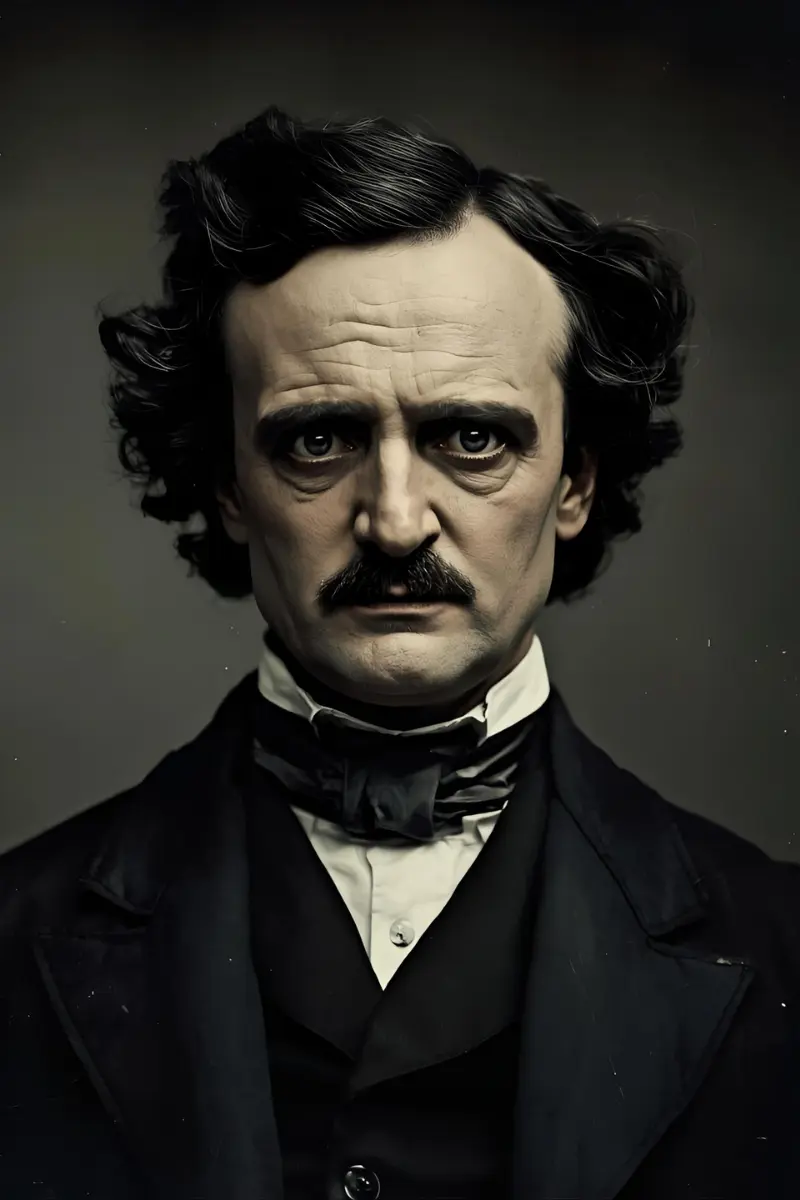
Edgar Allan Poe is one of America’s most iconic literary figures, celebrated for his mysterious short stories and haunting poems. Known as the master of gothic fiction, Poe’s works often contain riddles, codes, and puzzles that continue to inspire mystery lovers around the world.