
At first glance, the riddle of the moon sounds like pure poetry. However, for most people, it actually describes our shared curiosity about this bright neighbor in the sky. Because the moon pulls the tides, lights our nights, shapes myths, and still feels mysterious, it naturally invites questions.
As a result, moon riddles now appear everywhere—from bedtime stories and campfires to classroom warm-ups and trivia nights. They cleverly turn science, folklore, and jokes into tiny puzzles that you can solve in just a few seconds.
In this guide, we’ll first explore easy, funny, tricky, spooky, and romantic lunar riddles, all grouped by how you’ll actually use them. Then, along the way, you’ll also learn simple patterns for writing your own moon-themed brain-teasers that readers and players remember.
Quick Answer
In short, the riddle of the moon is any short puzzle that uses the moon’s light, phases, myths, or science as key clues. Typically, these moon riddles describe how the moon looks, moves, or affects Earth and then invite you to guess what’s being described in just a few words.
Table of Contents
• What Are Moon Riddles?
• Easy Riddles Of The Moon For Kids
• Funny Moon Riddles That Make You Smile
• Tricky Riddles Of The Moon For Adults
• Moon Riddles About Phases And Shapes
• Moon Riddles About Tides And Gravity
• Moon Riddles About Eclipses And Shadows
• Mythology And Legend In Moon Riddles
• Riddles Where The Answer Is The Moon
• Space, Stars, And Moon Combo Riddles
• Moon Riddles For Classrooms And STEM Nights
• Romantic And Aesthetic Moon Riddles
• Spooky And Mysterious Moon Riddles
• Writing Your Own Riddle Of The Moon
• Printable And Shareable Moon Riddle Ideas
• Short One-Line Riddles Of The Moon
• FAQs
• Conclusion
TL;DR
• First, moon riddles mix science, stories, and quick wordplay puzzles.
• Next, kids’ moon riddles focus on simple shapes, light, and night.
• Meanwhile, tricky lunar riddles highlight gravity, tides, and orbital motion.
• In addition, myth and romance add emotional depth to moon puzzles.
• Finally, you can build your own “riddle of the moon” using easy templates.
What Are Moon Riddles?
To begin, moon riddles describe the moon’s light, motion, phases, or legends in puzzle form. Usually, they hide the word “moon” behind hints about borrowed light, changing shapes, or tugging tides until you connect the clues.
Because they’re short, these moon riddles work well in classrooms, on social media, and during game nights. In addition, they bridge science and imagination, which keeps both kids and adults engaged.
Altogether, the “riddle of the moon” can feel gentle, goofy, or seriously mind-twisting—depending on which clues you choose.
• Still, I glow at night with borrowed shine. Who am I? (Moon)
• Yet I circle Earth and never roam alone. Who am I? (Moon)
• Sometimes I change my face but keep one side. Who am I? (Moon)
• I pull your seas without a touch. Who am I? (Moon)
• Often I light dark trails for campers’ tales. Who am I? (Moon)
• Meanwhile, I share your sky but not your air. Who am I? (Moon)
• I mark your months without a clock. Who am I? (Moon)
• Frequently I fade from sight yet never leave. Who am I? (Moon)
• I’m night’s small sun, cool and calm. Who am I? (Moon)
• Likewise, I’m crater-scarred yet loved in poems. Who am I? (Moon)
• Nearby stars seem distant while I feel close. Who am I? (Moon)
• Finally, I always keep one face turned toward you. Who am I? (Moon)
Easy Riddles Of The Moon For Kids
When young children first notice the moon, they usually see simple things like round shapes and bright light. Therefore, kids’ moon riddles work best when they use everyday words and very clear answers.
As you share these, you can pause after each question so kids can guess. Then, once they try, reveal the answer in parentheses and briefly explain why the clue fits, keeping the moment playful and encouraging.
• I’m a night light you can’t turn off. What am I? (Moon)
• Above bedtime stories, a glowing circle appears. What am I? (Moon)
• Sometimes I follow your roof like a quiet friend. What am I? (Moon)
• At sunrise I grow shy, but nights make me brave. What am I? (Moon)
• Stars often gather around my round bright face. What am I? (Moon)
• In the sky I’m the cookie you can’t reach. What am I? (Moon)
• Like a silver coin, I’m tossed into darkness. What am I? (Moon)
• On many nights I’m a balloon that never pops. What am I? (Moon)
• Above your house I’m a glowing plate without a kitchen. What am I? (Moon)
• In the dark I’m a face smiling without a mouth. What am I? (Moon)
• Over your backyard I’m a story lamp for playtime. What am I? (Moon)
• Finally, I’m the big dot most kids love spotting. What am I? (Moon)
Funny Moon Riddles That Make You Smile
Sometimes you don’t want the moon to feel serious at all. In those moments, playful wordplay and gentle absurdity help everyone relax and laugh together.
You can drop these funny moon riddles into party games, group chats, or lunchbox notes. Additionally, they still teach small ideas about phases or gravity while staying focused on fun.
To begin with, why was the moon throwing a midnight party in the sky? (It heard the sun might finally drop by.)
• Next, how did the moon land a night-shift job so quickly? (It’s already on duty every single evening.)
• Because it truly needed more space, why did the moon drift away from the clingy cloud? (It constantly felt way too crowded.)
• After discovering podcasts, why did the moon launch its own late-night show? (It absolutely loves talking through all its phases.)
• Instead of craving burgers, why does the moon avoid every fast-food joint on its orbit? (It’s completely over all the “extra cheese” moon jokes.)Extended thinking
Tricky Riddles Of The Moon For Adults
As puzzle lovers grow older, they often crave deeper clues. Consequently, tricky moon riddles lean on orbital motion, illusions, and subtle science that reward careful thinking.
You can use these adult moon riddles in escape rooms, astronomy clubs, or late-night text battles. After the game ends, you can explain the science so everyone walks away both entertained and informed.
• I hide my far side yet never my path. Who am I? (Moon)
• During each trip, I orbit once and spin once, one-faced. Who am I? (Moon)
• Near horizons I grow bigger without gaining mass. Who am I? (Moon illusion)
• I tug oceans higher without touching water. Who am I? (Moon)
• Opposite my star, I glow with fullest light. Who am I? (Full moon)
• At noon I vanish although I remain in space. Who am I? (Moon)
• In bright daylight I seem smaller without shrinking. Who am I? (Moon perception)
• Between apogee and perigee I dance quietly. Who am I? (Moon)
• Along Earth’s path I share an orbit yet never lead. Who am I? (Moon)
• In many stories I’m blamed for madness. Who am I? (Full moon myth)
• Beneath bare skies I host quakes without weather above. Who am I? (Moon)
• Ultimately, I formed from impact yet still keep you company. Who am I? (Moon)
Moon Riddles About Phases And Shapes
The moon’s changing shape offers one of its best natural storylines. As it waxes and wanes, it slowly turns into thin smiles or bright circles that feel almost magical.
Because of that, these phase riddles use shifting shapes as clues while they introduce words like crescent and gibbous. After each answer, you can show a simple phase diagram or sky photo to reinforce the idea.
• In the evening I’m a silver smile in the sky. What am I? (Crescent moon)
• On some nights I’m half a cookie with a missing bite. What am I? (Quarter moon)
• When I’m boldest, I’m a perfect plate without a chip. What am I? (Full moon)
• With each passing night my glowing side grows wider. What am I? (Waxing moon)
• After fullness my light slowly slides away again. What am I? (Waning moon)
• Almost full, I still stay slightly shy and curved. What am I? (Gibbous moon)
• During my darkest moment I’m present yet nearly invisible. What am I? (New moon)
• Across the month I’m the calendar face marking time. What am I? (Moon phases)
• Overhead I act like a night clock with glowing slices. What am I? (Phased moon)
• Throughout the month I’m the sky’s dimmer switch at night. What am I? (Moon phases)
• Above sleeping towns I’m the classic shape-shifter of the sky. What am I? (Moon)
• Altogether, I’m a changing coin rolled steadily through darkness. What am I? (Moon)
Moon Riddles About Tides And Gravity
Even when people hardly notice, the moon is quietly pulling on oceans. Because of this steady tug, tides rise and fall in a regular pattern around the world.
So these riddles wrap that invisible pull into quick, memorable clues. They work especially well when you’re teaching about gravity without diving into complicated equations.
• Twice each day your boats lift higher without hands. Who am I? (Moon)
• Along distant shores I stretch your oceans into matching bulges. Who am I? (Moon)
• When I team with the sun, waves grow tallest. What am I? (Spring tide)
• During quarter phases my pull relaxes into gentler changes. What am I? (Neap tide)
• At my closest swing I help create mighty king tides. Who am I? (Moon)
• Through constant pulling I’m the reason beaches grow and shrink daily. Who am I? (Moon)
• Inside each harbor I raise ropes without touching them. Who am I? (Moon)
• Around surf breaks I quietly choreograph many favorite swells. Who am I? (Moon)
• From far above I whisper across water with gravity. Who am I? (Gravity)
• Along each coastline I turn shorelines into slow-moving lungs. Who am I? (Tides)
• Near every bay I’m an unseen hand shaping coastal life. Who am I? (Moon)
• Finally, for working fishers I’m the clock behind the best hours. Who am I? (Tides)
Moon Riddles About Eclipses And Shadows
When the sun, Earth, and moon line up just right, the show becomes dramatic. In those rare moments, eclipses make the sky itself feel like a carefully written riddle.
These puzzles therefore focus on shadows, sudden dimming, and glowing rings. You can pair them with simple diagrams so readers see the geometry as clearly as they feel the words.
• During special nights I hide my face behind your planet. What am I? (Lunar eclipse)
• At midday I steal daylight with a single dark circle. What am I? (Solar eclipse)
• On certain paths I wear a fiery ring yet stay dark. What am I? (Annular eclipse)
• Across wide continents I cast a traveling shadow on ground. Who am I? (Moon)
• In an instant I turn day into dusk at noon. What am I? (Total eclipse)
• Within deep darkness I’m the shadow sliding across craters. What am I? (Earth’s umbra)
• Around that event I’m the special glasses people must wear. What am I? (Eclipse viewer)
• During the peak I’m the brief crown dancers love to film. What am I? (Sun’s corona)
• Along the line I’m the shy body hiding your usual star. What am I? (Moon during eclipse)
• On countless screens I’m a cosmic blink shared worldwide. What am I? (Eclipse event)
• For patient watchers I’m alignment’s dazzling reward in the sky. What am I? (Eclipse)
• In summary, I’m the sky riddle solved by simple lineups. What am I? (Eclipse geometry)
Mythology And Legend In Moon Riddles
Long before rockets and telescopes, people instead relied on stories. As a result, the moon became a key character in myths, legends, and bedtime tales across many cultures.
When you turn those images into moon riddles, you connect old tales with new curiosity. At the same time, you keep the language respectful and clear for modern readers.
• In one story I’m a rabbit hopping across a glowing disk. Who am I? (Moon)
• Within another tale I’m a goddess weaving light for lovers. Who am I? (Moon)
• In folktales I’m a fox whose shadow climbed the sky. Who am I? (Moon image)
• On many clear nights I’m a face smiling from scattered craters. Who am I? (Man in the moon)
• In silly stories I’m a cheese wheel hung in darkness. Who am I? (Moon myth)
• During heroic journeys I’m a silver boat for departed heroes. Who am I? (Mythic moon)
• Among sky spirits I’m a lantern carried across clouds. Who am I? (Moon)
• In poetic lines I’m a stolen sun cooled into calm. Who am I? (Mythic moon)
• Throughout the seasons I’m the clock of harvest and planting. Who am I? (Full moon names)
• In old songs I’m the guardian guiding ancient tides. Who am I? (Moon)
• Across stories I’m a storyteller painted across the night. Who am I? (Moon)
• Ultimately, I’m the quiet witness listening to ancient prayers. Who am I? (Moon)
Riddles Where The Answer Is The Moon
Sometimes, for extra fun, you want every single answer to be the same. In that case, a quiz round literally called “Riddle of the Moon” fits perfectly.
Because expectations build quickly, you can gradually make the clues harder. At first, players guess quickly; later, they must think carefully about what makes the moon different from other lights in the night sky.
• I’m night’s mirror without my own flame. Who am I? (Moon)
• In your neighborhood of planets I’m the neighbor that never calls in. Who am I? (Moon)
• Within howling tales I’m the reason wolves raise their voices. Who am I? (Moon)
• On a dusty stage I’m the ground for historic bootprints. Who am I? (Moon)
• During alignments I’m the reason eclipses ever happen. Who am I? (Moon)
• Over still water I’m the lantern for quiet midnight lakes. Who am I? (Moon)
• Around your world I’m the pebble orbiting your blue marble. Who am I? (Moon)
• Through the month I’m the calendar written across the sky. Who am I? (Moon)
• Above rural roads I’m the spotlight for still country nights. Who am I? (Moon)
• Against the darkness I’m the silver coin on black velvet. Who am I? (Moon)
• Across each month I’m the storyteller changing shape again and again. Who am I? (Moon)
• Finally, along travelers’ paths I’m the soft beacon guiding journeys. Who am I? (Moon)
Space, Stars, And Moon Combo Riddles
Of course, the moon doesn’t live in the sky alone. Instead, it shares space with stars, planets, and the blazing sun, all moving together above us.
Therefore, combo riddles are perfect for space clubs, planetariums, or science weeks. They highlight how the moon fits into the bigger cosmic picture without losing focus on our closest neighbor.
• Among bright specks I dance with one star yet share space with many. Who am I? (Moon)
• Around your world I chase a blazing star while circling a planet. Who am I? (Moon)
• Beside constellations I shine next to patterns I never touch. Who am I? (Moon)
• From far away I borrow fire from a distant furnace. Who am I? (Moon)
• Above rockets I guide ships toward darker oceans beyond Earth. Who am I? (Moon)
• During eclipses I share stages with sun and Earth together. Who am I? (Moon)
• Within your galaxy view I’m the closest lantern you can spot. Who am I? (Moon)
• Among wandering planets I act as a friendly nearby neighbor. Who am I? (Moon)
• Between backyard fences and stars I’m a waypoint to the universe. Who am I? (Moon)
• For curious kids I’m the reason they first notice stars. Who am I? (Moon)
• During meteor showers I’m the quiet co-star above the sparks. Who am I? (Moon)
• Likewise, for many dreamers I’m the first world they want to visit. Who am I? (Moon)
Moon Riddles For Classrooms And STEM Nights
Teachers often need quick warm-ups that take seconds yet spark big curiosity. In this situation, moon riddles fit perfectly on slides, flashcards, and whiteboards.
Additionally, families hosting STEM nights can sprinkle these puzzles between activities. Each line invites kids to guess first and then learn the science behind the answer.
• In science lessons I’m a rocky world without breathable air. Who am I? (Moon)
• Compared with Earth I’m smaller yet surprisingly big in stories. Who am I? (Moon)
• On my surface I’m covered in dust called regolith. Who am I? (Moon)
• Across my face I host craters from countless cosmic knocks. Who am I? (Moon)
• Under your feet gravity feels stronger than mine by far. Who am I? (Moon)
• During great missions I was visited by astronauts in bulky suits. Who am I? (Moon)
• For early explorers I helped humans practice leaving home. Who am I? (Moon)
• Around my poles I’m mapped by orbiters, cameras, and landers. Who am I? (Moon)
• At school fairs I’m the subject of many science posters. Who am I? (Moon)
• In demonstrations I’m used to explain reflection and illumination. Who am I? (Moon)
• For crafty students I’m a favorite model made from foam balls. Who am I? (Moon)
• Finally, inside many imaginations I’m the first stop on space dreams. Who am I? (Moon)
Romantic And Aesthetic Moon Riddles
The moon also has a softer, more emotional side. Consequently, couples, poets, and artists often use it as a symbol of steady light or distant beauty.
These romantic moon riddles lean poetic yet still stay clear. Teens and adults can therefore use them as captions, notes, or gentle conversation starters.
• During quiet walks I’m a borrowed glow making shadows hold hands. Who am I? (Moon)
• Above balconies I’m the silver witness of whispered promises. Who am I? (Moon)
• On city rooftops I’m the quiet lantern for late-night talks. Who am I? (Moon)
• Around winding paths I’m the soft halo for slow walks. Who am I? (Moon)
• Behind two silhouettes I’m the postcard light framing hugs. Who am I? (Moon)
• Over lake water I’m the slow-moving spotlight for dates. Who am I? (Moon)
• Between parting friends I’m the patient metronome of recurring goodnights. Who am I? (Moon)
• Above city lights I’m the sky’s dimmed chandelier for confessions. Who am I? (Moon)
• Inside love songs I’m the echo behind lines about forever. Who am I? (Moon)
• During balcony concerts I’m the stage light for soft solos. Who am I? (Moon)
• Between heartbeats I’m the glowing comma in quiet conversations. Who am I? (Moon)
• Ultimately, in many playlists I’m the muse for late-night tracks. Who am I? (Moon)
Spooky And Mysterious Moon Riddles
Full moons often star in spooky stories, yet they don’t need to be truly frightening. Instead, these riddles aim for gentle goosebumps rather than full horror.
They’re great for campouts, Halloween parties, or mystery-themed game nights. Afterward, you can remind everyone that the real moon stays harmless and beautiful.
• Above dark woods I’m the lantern wolves choose for their choir. Who am I? (Moon)
• Over lonely crossings I’m the eye watching midnight crossroads. Who am I? (Moon)
• Above old stones I’m the pale coin flipping over graveyard trees. Who am I? (Moon)
• Across farm fields I’m the stage light for rustling corn. Who am I? (Moon)
• In ghostly tales I’m the clock striking thirteen by mistake. Who am I? (Full moon)
• Behind thin clouds I’m the mask hiding then reappearing. Who am I? (Moon)
• Along alley walls I’m the cause of long, strange shadows. Who am I? (Moon)
• On foggy nights I’m the silver fingerprint above sleeping towns. Who am I? (Moon)
• During silent flights I’m the spotlight for hunting owls. Who am I? (Moon)
• Behind restless waters I’m the pale drummer stirring tides. Who am I? (Moon)
• Over creaking docks I’m the watchful coin gleaming faintly. Who am I? (Moon)
• In the end, at story circles I’m the riddle haunting midnight chatter. Who am I? (Moon)
Writing Your Own Riddle Of The Moon
Once you’ve heard enough examples, it becomes much easier to craft your own moon riddles. First, choose one moon fact, feeling, or image you like best. Then, wrap it in hints that hide the word “moon” without making your puzzle unfair.
You can also borrow patterns from games, songs, or fantasy quests that use a “riddle of the moon” to unlock a path. The real secret, however, is balancing mystery with fairness so solvers feel satisfied rather than tricked.
• Start your riddle of the moon with “I…” and one strong clue, like “I tug your seas without ever laying a hand on them.” Then add a twist that narrows the guess: “I light the dark sky with borrowed silver glow,” and finish with a direct question such as “So, who could I be?” Use sensory words (bright, chilly, silent, distant, cratered) and mix science hints—tides, phases, gravity—with poetic images like a lantern or night guardian. Test it on friends, keep lines under fifteen words, hide the written answer, and save your best moon riddle for the finale.
Printable And Shareable Moon Riddle Ideas
Many readers eventually want to take moon riddles offline. For that reason, it helps to have mini sets ready for worksheets, scavenger hunts, or bulletin boards.
You can copy a few of these clusters straight into printable pages and then add images or diagrams. This way, your moon riddles travel from screens to classroom walls, party tables, and family game nights.
• Create a “Phase Finder” sheet with phase-based riddles and small circles.
• Build a “Tide Detective” page where kids match riddles to tide diagrams.
• Make a “Moon Myth Mixer” worksheet with riddles about rabbits and faces.
• Design a “Space Neighbors” handout mixing sun, moon, and planet riddles.
• Print a bookmark strip of short moon captions and riddles.
• Use table tents with a moon riddle on each side during fairs.
• Add QR codes linking printed riddles to brief explanation videos.
• Turn twelve riddles into a spiral notebook for nightly reading.
• Create clue cards for a “Find the Moon Fact” classroom game.
• Print mini posters pairing moon photos with matching riddles.
• Bundle easy, medium, and hard sets into one downloadable pack.
• Lastly, leave blank lines so students can write their own riddles.
Short One-Line Riddles Of The Moon
Sometimes you only have a caption’s worth of room. Even then, short one-liners can still feel like riddles if they hint rather than tell.
They work nicely on posters, story titles, or text messages. Furthermore, you can stack several together as a “rapid-fire” challenge for friends or students.
• Night’s mirror, shining with borrowed fire. Who am I? (Moon)
• Silent drummer, moving oceans from afar. Who am I? (Moon)
• Sky coin, spinning through your months. Who am I? (Moon)
• Silver guest, rarely staying through the day. Who am I? (Moon)
• Shape-shifting lantern over sleeping towns. Who am I? (Moon)
• Quiet neighbor, circling home for ages. Who am I? (Moon)
• Cratered pearl resting on velvet darkness. Who am I? (Moon)
• Distant clock, counting nights not hours. Who am I? (Moon)
• Cool spotlight for late-night storytellers. Who am I? (Moon)
• Patient compass for wandering sailors’ eyes. Who am I? (Moon)
• Soft witness to every changing tide. Who am I? (Moon)
• Finally, small world carrying big dreams. Who am I? (Moon)
FAQs
How do moon riddles help kids learn?
Moon riddles help kids notice patterns, such as changing shapes and repeated cycles, while they guess answers. After each riddle, you can then explain the underlying fact so children connect imagination with real-world science.
What makes a good riddle of the moon?
A good riddle of the moon uses two or three strong clues that only fit the moon. Typically, it mentions borrowed light, tides, phases, or myths and then ends with a simple question so players feel confident when they finally solve it.
Are moon riddles better with or without answers shown?
The ideal choice depends on how you plan to use them. For games and quizzes, it’s often helpful to hide answers until everyone guesses; however, for classroom worksheets or social posts, including the answer in parentheses keeps things accessible and reduces frustration.
Can adults enjoy moon riddles too?
Adults usually enjoy trickier moon riddles that hint at gravity, eclipses, or orbital motion. In fact, these puzzles can easily kick off conversations at astronomy clubs, book groups, or even casual late-night chats about space.
How can I come up with original moon riddles?
To start, pick one fact, image, or feeling about the moon, and then describe it using fresh comparisons instead of familiar lines. Next, test your draft on a friend and revise any clue that feels confusing, too easy, or too close to an existing riddle you’ve already seen.
Where can I use these moon riddles in daily life?
You can drop them into classroom warm-ups, trivia nights, family car rides, bedtime routines, or social media captions. In general, anywhere people enjoy quick, thoughtful moments, a small “riddle of the moon” can fit in easily.
Conclusion
In the end, the riddle of the moon is really about seeing a familiar object in new ways again and again. Each puzzle here turns light, shadow, tides, or legend into a tiny mystery, ready to be cracked in just a few thoughtful seconds.
Whether you’re teaching, hosting, or simply stargazing, you now have a full toolkit of lunar riddles and, moreover, the patterns you need to keep inventing many more.
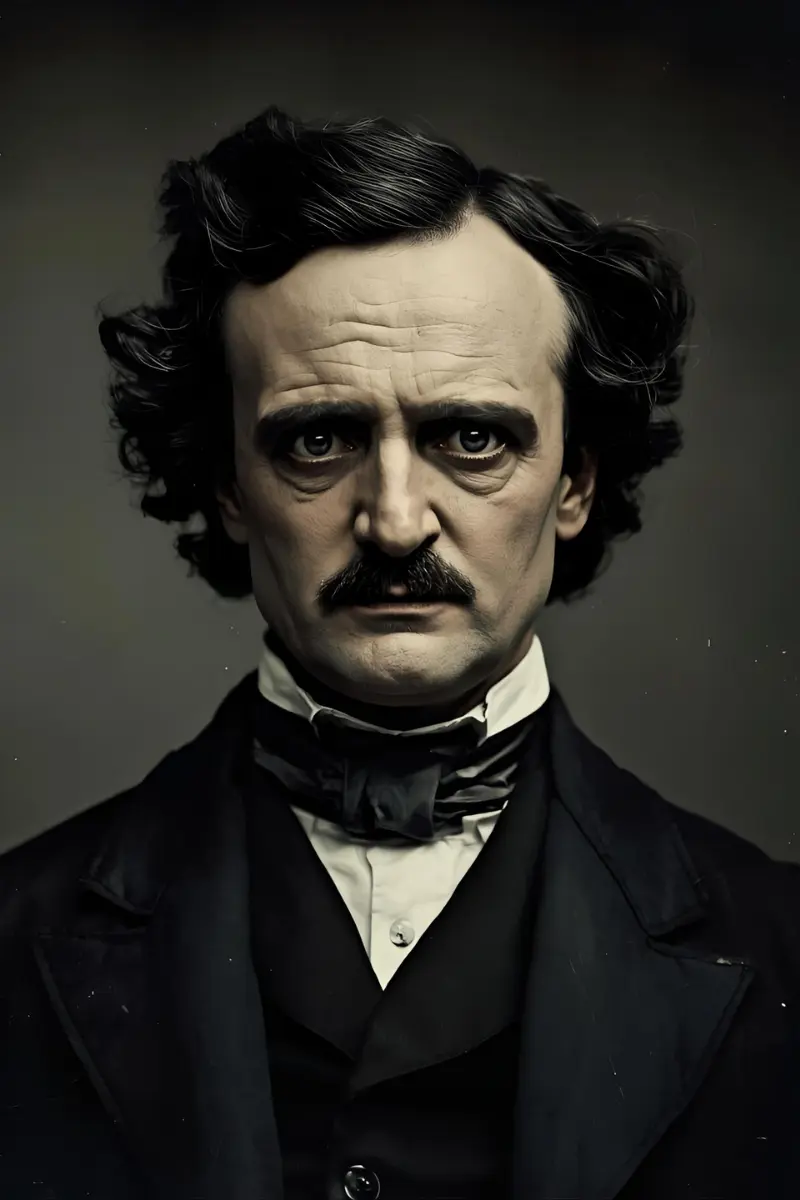
Edgar Allan Poe is one of America’s most iconic literary figures, celebrated for his mysterious short stories and haunting poems. Known as the master of gothic fiction, Poe’s works often contain riddles, codes, and puzzles that continue to inspire mystery lovers around the world.