
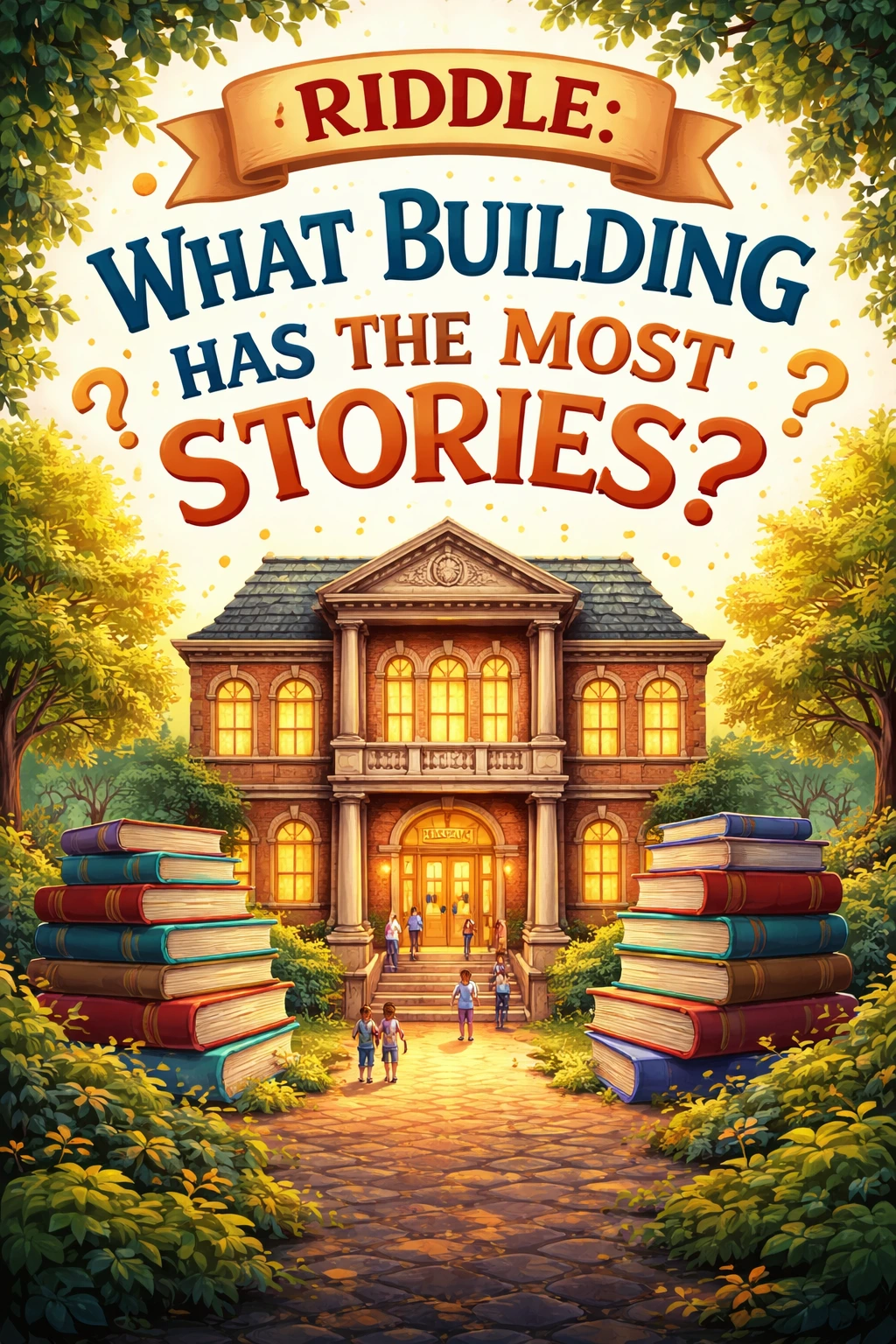
Riddles have a unique way of making us pause, smile, and rethink everyday words. One of the most popular wordplay riddles ever asked is: riddle what building has the most stories. At first glance, it sounds like a question about skyscrapers or famous landmarks. But the answer surprises people of all ages.
This riddle has stood the test of time because it’s simple, clever, and memorable. Whether you’re a student, a teacher, a puzzle lover, or just someone who enjoys a good brain teaser, this article explores the riddle in full detail—from the answer and meaning to its variations, educational value, and cultural impact.
Quick Answer
What Building Has the Most Stories?
A library.
A library contains more stories than any building with floors because it holds thousands of books filled with stories.
TL;DR
• The answer is a library
• “Stories” refers to books, not floors
• It’s a classic wordplay riddle
• Popular with kids and adults
• Often used in classrooms and quizzes
Understanding the Riddle’s Core Meaning
At its heart, this riddle relies on wordplay. The word “stories” has two meanings. One refers to levels or floors in a building. The other refers to tales, narratives, or books.
Most people initially think about tall buildings. Skyscrapers come to mind because they literally have many stories stacked on top of each other. However, the riddle shifts the meaning unexpectedly.
A library doesn’t need to be tall. Even a small one holds thousands of stories through books, making it the correct and clever answer.
Why the Answer Is a Library
A library is designed to store knowledge, imagination, and history. Every book inside it contains one or more stories. When you add them together, the number becomes massive.
Unlike buildings measured by floors, libraries are measured by content. This contrast makes the riddle amusing and satisfying once solved.
The answer also feels rewarding because it’s logical, harmless, and universally relatable.
Why This Riddle Is So Popular
This riddle appears in classrooms, puzzle books, trivia games, and family conversations. Its popularity comes from its simplicity and clarity.
It doesn’t rely on obscure knowledge. Anyone familiar with books can understand it. The riddle also works across generations, making it a timeless favorite.
Another reason for its popularity is how quickly it delivers an “aha” moment. That instant realization makes people want to share it.
Educational Value of the Riddle
Teachers often use this riddle to introduce children to figurative language. It’s a fun way to show that words can have multiple meanings.
The riddle also encourages creative thinking. Instead of taking words literally, solvers learn to think more flexibly.
Because of this, it’s commonly used in language arts and reading activities.
Variations of the Riddle
Over time, many variations of this riddle have appeared. Some versions slightly rephrase the question, but the answer remains the same.
Examples include asking which place has the most stories or which building holds the most tales. These variations keep the riddle fresh while preserving its charm.
Sometimes the riddle is extended with follow-up questions to encourage discussion.
How Wordplay Makes Riddles Memorable
Wordplay riddles stick because they challenge assumptions. When a word has more than one meaning, the brain naturally jumps to the most obvious one.
Once the trick is revealed, the solution feels clever rather than frustrating. This balance is what makes riddles enjoyable instead of confusing.
The library riddle is a perfect example of effective wordplay.
Cultural Relevance of Libraries and Stories
Libraries have long been symbols of knowledge and imagination. They represent learning, storytelling, and community.
This riddle subtly celebrates libraries by highlighting their richness. It reminds people that stories don’t just entertain—they preserve culture and history.
That deeper meaning adds to the riddle’s appeal.
Why Adults and Kids Both Love This Riddle
Kids enjoy it because it’s easy to understand and fun to guess. Adults appreciate it because it’s clever without being complicated.
The riddle doesn’t rely on age-specific references. That universal quality helps it spread naturally in conversations and classrooms.
It’s also safe, positive, and inclusive.
Using the Riddle in Social and Learning Settings
This riddle works well as an icebreaker. It can start a conversation or lighten the mood in a group.
In learning environments, it’s useful for teaching vocabulary, comprehension, and lateral thinking.
It’s short enough to remember and engaging enough to repeat.
Common Mistakes When Solving the Riddle
Many people immediately answer with skyscrapers or famous towers. That response shows how the brain defaults to literal thinking.
The riddle teaches patience. It rewards those who pause and consider alternative meanings.
That lesson is part of what makes riddles valuable mental exercises.
Why the Riddle Never Gets Old
Even after hearing the answer, people enjoy asking it again. Watching others figure it out is part of the fun.
Because libraries and stories remain relevant, the riddle doesn’t age out of usefulness.
As long as books exist, the riddle stays meaningful.
FAQs
What is the answer to the riddle “What building has the most stories?”
The answer is a library because it contains countless stories in the form of books.
Is this riddle meant to be tricky?
Yes, it’s designed to be playful by using a word with multiple meanings.
Why do people often guess skyscrapers?
Most people associate “stories” with floors, which is the literal interpretation.
Is this riddle good for kids?
Absolutely. It’s commonly used in schools to teach language and thinking skills.
Are there similar riddles like this one?
Yes, many riddles use wordplay and double meanings to surprise the solver.
Conclusion
The riddle what building has the most stories remains popular because it’s clever, simple, and meaningful. The answer—a library—reminds us that stories aren’t just physical levels in a building but ideas, adventures, and knowledge shared through books. Whether used for fun, learning, or conversation, this riddle continues to delight people of all ages and proves that sometimes the smartest answers are hiding in plain sight.
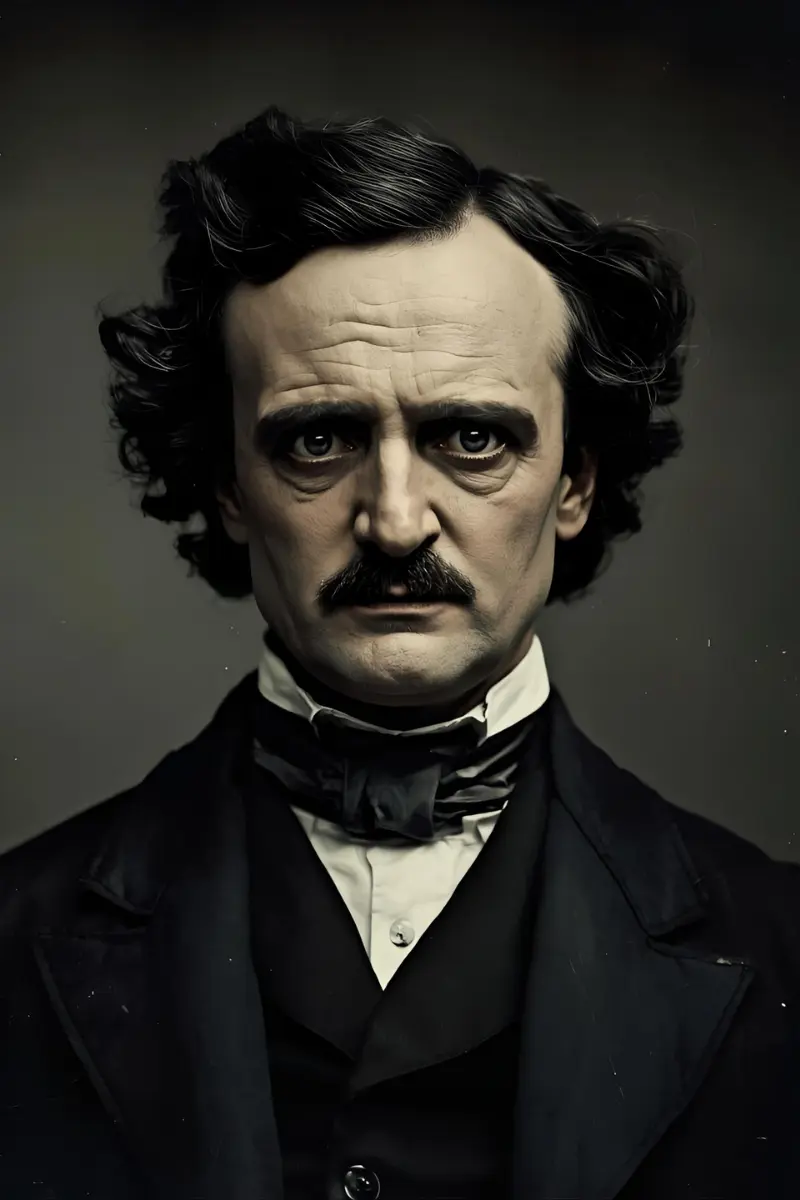
Edgar Allan Poe is one of America’s most iconic literary figures, celebrated for his mysterious short stories and haunting poems. Known as the master of gothic fiction, Poe’s works often contain riddles, codes, and puzzles that continue to inspire mystery lovers around the world.