
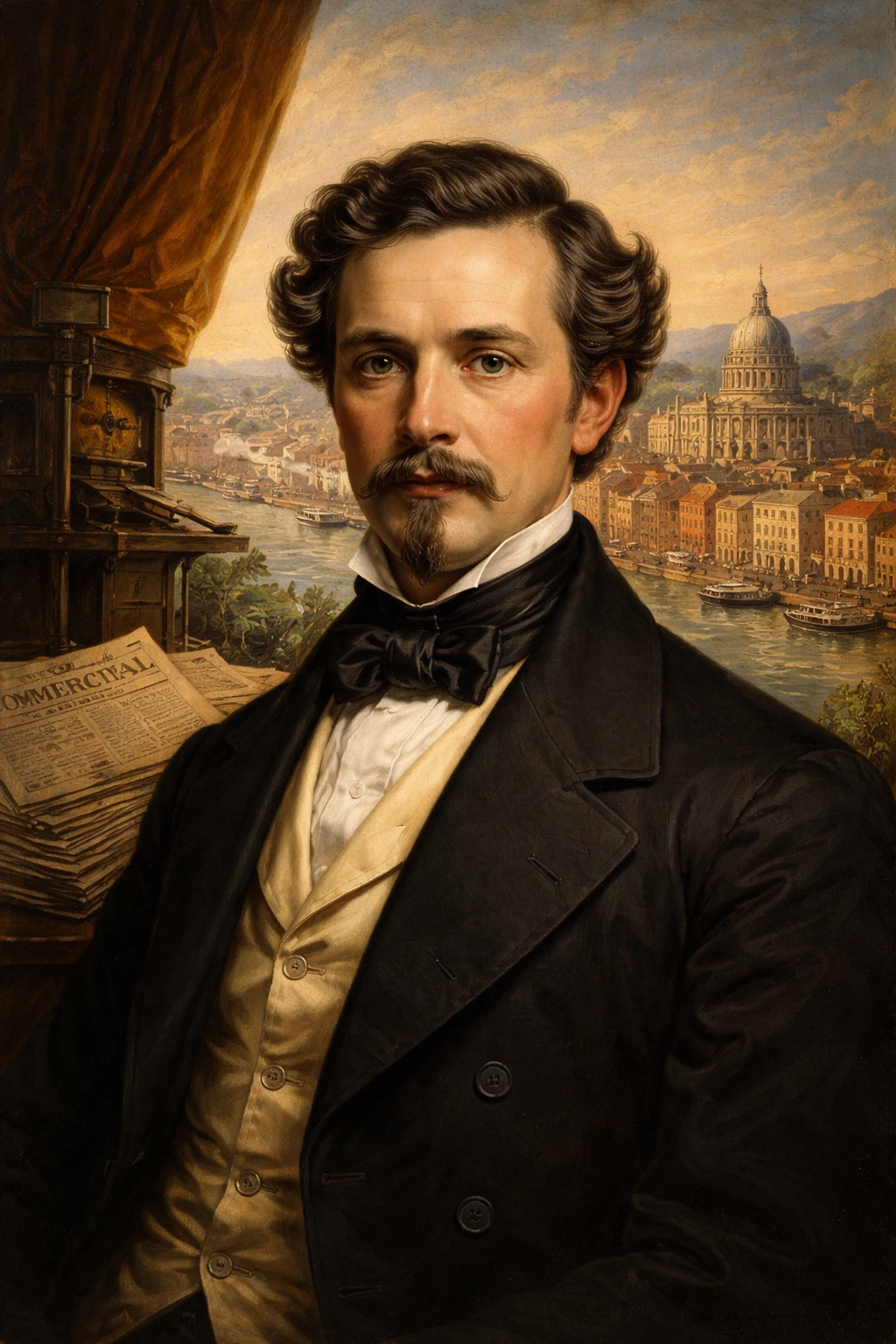
Robert Riddle stands as a compelling figure in 19th-century American civic life, particularly in Pittsburgh, Pennsylvania. Known for his work as a newspaper editor, postmaster, and mayor, Riddle lived during a period marked by political realignment, urban growth, and social upheaval. His career reflects the growing influence of journalism in public life and the responsibilities of leadership during times of crisis.
From shaping political debate through the press to guiding a major American city through public health emergencies, Robert Riddle’s contributions reveal how local leaders helped define the direction of the nation before the Civil War. His story is one of adaptability, public service, and influence at both the community and national levels.
Quick Answer
Robert Riddle was a 19th-century American newspaperman and politician who served as Mayor of Pittsburgh and played an influential role in journalism, civic leadership, and early political movements in the United States.
TL;DR
• 19th-century American editor and civic leader
• Mayor of Pittsburgh from 1853 to 1854
• Former postmaster and newspaper owner
• Active in major political movements of his era
• Influenced public opinion through journalism
• Remembered for leadership during crisis
Early Life and Family Background
Robert Riddle was born on August 17, 1812, in Pittsburgh, Pennsylvania, into a family already connected to public service. His father, Judge James Riddle, was a respected legal figure, which exposed Robert early to civic responsibility and public affairs.
Growing up during America’s early industrial expansion, Riddle witnessed the rapid transformation of Pittsburgh from a frontier town into a growing urban center. These changes helped shape his interests in commerce, communication, and governance.
Education and Early Career
Before entering public life, Robert Riddle pursued work in business and banking, gaining experience in both Pittsburgh and Philadelphia. This early exposure to finance and trade gave him practical insight into the economic forces shaping American cities.
His professional foundation later proved valuable when he transitioned into journalism, where financial stability and editorial independence were critical for influence and credibility.
Entry Into Journalism
Riddle’s move into journalism marked a turning point in his career. In 1837, he became editor of a Whig-aligned newspaper in Pittsburgh. Through this role, he gained a powerful platform to address political issues, economic policy, and civic concerns.
Journalism during this era was deeply intertwined with politics, and Riddle’s editorial voice quickly established him as a public figure whose opinions carried weight beyond the printed page.
Ownership of the Commercial Journal
Robert Riddle later acquired and renamed a newspaper that became known as the Commercial Journal. Under his leadership, the paper focused on commerce, governance, and national political developments.
His editorial work helped shape local debate and provided readers with perspectives aligned with reform, modernization, and civic responsibility, strengthening the paper’s influence in Pittsburgh society.
Role as Postmaster of Pittsburgh
In 1841, Robert Riddle was appointed Postmaster of Pittsburgh, a federal role of significant importance during a time when mail was the backbone of national communication.
As postmaster, he oversaw expanding postal operations during a period of rapid population growth, reinforcing his reputation as a capable administrator and trusted public servant.
Political Career and Party Affiliations
Riddle began his political life aligned with the Whig Party, which emphasized economic development and institutional reform. As national politics shifted, he adapted, joining new political movements that reflected changing public priorities.
His political evolution mirrored the broader transformation of American parties leading up to the Civil War, demonstrating his responsiveness to emerging issues and public sentiment.
Mayor of Pittsburgh
Robert Riddle was elected Mayor of Pittsburgh in 1853, serving through 1854. His tenure coincided with serious public challenges, including infrastructure concerns and public health threats.
One of the most significant events during his mayoralty was a cholera epidemic, which demanded decisive leadership, coordination, and resilience from city officials.
Leadership During Public Health Crisis
The cholera outbreak during Riddle’s time as mayor tested the limits of municipal governance. With limited medical knowledge available at the time, city leaders relied on sanitation measures and public coordination.
Riddle’s administration worked to maintain order and public trust during a period of fear and uncertainty, highlighting the responsibilities faced by urban leaders in 19th-century America.
Involvement in Anti-Slavery Politics
As political tensions over slavery intensified, Robert Riddle became associated with movements opposing the expansion of slavery. His views aligned with emerging political coalitions that sought reform and moral clarity.
This stance placed him among those who helped lay the groundwork for the rise of the Republican Party in the years leading up to the Civil War.
Transition to the Republican Movement
By the later years of his life, Riddle supported the early Republican movement, reflecting his opposition to slavery and commitment to national reform.
His political journey—from Whig to newer political alliances—demonstrates the fluid nature of American politics during a deeply divided era.
Personal Life and Character
Though much of Robert Riddle’s life was spent in public roles, contemporaries described him as principled, articulate, and committed to civic duty. His work ethic and public engagement defined his reputation.
He balanced professional demands with personal responsibility, embodying the expectations placed on leaders in 19th-century American society.
Death and Burial
Robert Riddle died on December 18, 1858, at the age of 46, from inflammatory rheumatism. His death came just as the nation was approaching one of its most turbulent periods.
He was laid to rest in Allegheny Cemetery in Pittsburgh, where his grave remains a testament to his role in the city’s history.
Historical Significance and Legacy
Robert Riddle’s legacy lies in his combined influence as a journalist and public official. He helped shape public opinion, guided civic policy, and participated in political movements that reshaped the nation.
His life offers insight into how local leadership and media influence intersected during a formative period in American history.
FAQs
Who was Robert Riddle?
Robert Riddle was a 19th-century American newspaperman, postmaster, and mayor of Pittsburgh known for his civic leadership and political influence.
What was Robert Riddle known for?
He was known for editing influential newspapers, serving as Pittsburgh’s mayor, and participating in major political movements before the Civil War.
When did Robert Riddle serve as mayor?
Robert Riddle served as Mayor of Pittsburgh from 1853 to 1854.
Was Robert Riddle involved in journalism?
Yes, he was a newspaper editor and owner whose publications played a key role in shaping public discourse.
Where is Robert Riddle buried?
He is buried in Allegheny Cemetery in Pittsburgh, Pennsylvania.
Conclusion
Robert Riddle remains a notable figure in American civic history, representing the power of leadership, journalism, and political engagement during a time of national transformation. His life reflects the responsibilities and influence of local leaders in shaping public opinion and guiding communities through uncertainty. As a newspaperman, mayor, and reform-minded citizen, Robert Riddle left a lasting imprint on Pittsburgh and on the broader story of 19th-century America.
