
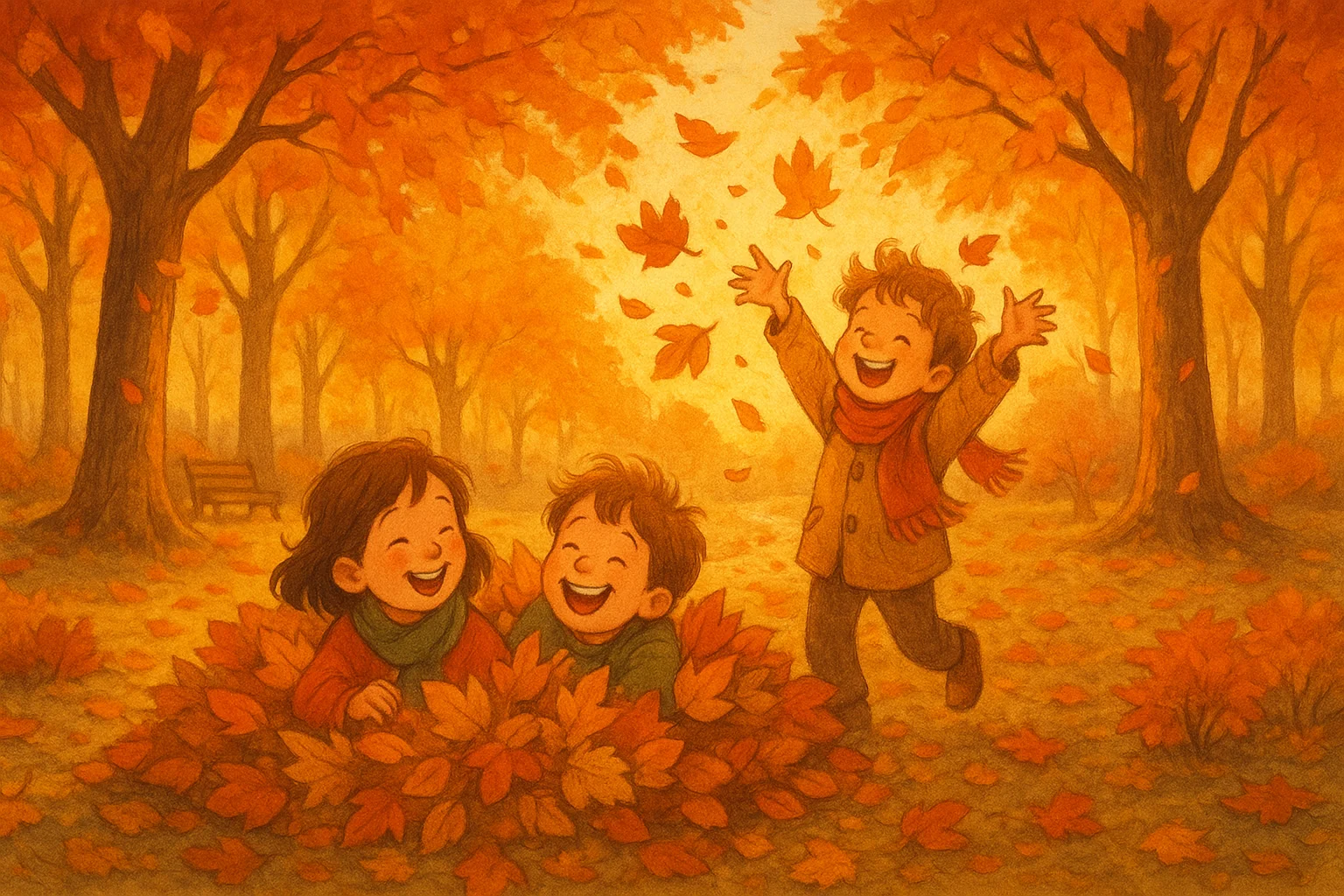
Every fall, kids and adults start asking playful questions about the world outside. One of the favorites is the “What do trees do in autumn?” riddle, which shows up in joke books, classrooms, and family group chats. It sounds like a serious science question at first, but the answer is wrapped in wordplay and seasonal charm.
In this guide, you’ll see the classic answer, the clever “leaf of absence” joke, and plenty of easy autumn riddles to share. We’ll also take a quick look at the real science behind changing leaves and bare branches. By the end, you’ll understand both the riddle and the biology—and have lots of fall brainteasers ready for home, school, and social media.
Quick Answer
The classic answer to the “What do trees do in autumn?” riddle is that they drop or lose their leaves, because many trees change color and shed their leaves before winter. A popular joke version says they “take a leaf of absence,” turning a real nature fact into a simple, memorable pun.
Table of Contents
- What Do Trees Do in Autumn?
- What Do Trees Do in Autumn Riddle Answer Explained
- The “Take a Leaf of Absence” Tree Joke
- What Do Trees Do in the Autumn Riddle Variations
- Autumn Tree Riddles for Kids
- Fall Riddles About Colorful Leaves
- Short Autumn Tree Riddles for Busy Days
- Challenging Autumn Tree Riddles for Adults
- Why Trees Lose Their Leaves in Autumn
- Deciduous and Evergreen Trees in Fall
- Nature Riddles About Seasons Changing
- Autumn Tree Jokes, Puns, and One-Liners
- Using Autumn Riddles in the Classroom
- Autumn Tree Riddle Ideas for Family Game Night
- How to Write Your Own Autumn Tree Riddle
- Autumn Tree Riddle Prompts for Social Media
- FAQs
- Conclusion
TL;DR
• The main answer to the riddle is that trees drop their leaves in autumn.
• A fun joke version says they “take a leaf of absence.”
• Autumn tree riddles work for kids, teens, and adults.
• Simple science explains why leaves change color and fall.
• You can use these riddles at home, school, parties, and online.
What Do Trees Do in Autumn?
When someone asks, “What do trees do in autumn?” they might be joking, or they might be curious about what’s really happening outside. The riddle plays with the truth that fall is when many trees change color and let go of their leaves.
Instead of giving a long science lesson, the riddle squeezes that whole process into a quick, surprising punchline. That’s why it works so well around campfires, in classrooms, and in cozy living rooms on chilly evenings.
• The simple answer: many trees shed their leaves as fall arrives.
• Before they fall, leaves often turn bright red, orange, and yellow.
• Fallen leaves build a crunchy carpet kids love to rake and jump into.
• The change begins as days grow shorter and cooler.
• For the tree, it’s a signal that winter is on the way.
• The riddle turns a real seasonal change into a fast, fun puzzle.
• Kids can picture the scene even before they hear the answer.
• Adults enjoy the mix of observation, language, and humor.
• The same question works in both science and language arts.
• It opens the door to deeper questions about seasons and plants.
What Do Trees Do in Autumn Riddle Answer Explained
The most direct answer is: in autumn, many trees drop their leaves. “They lose their leaves” or “they shed their leaves” are the versions you’ll see most often in children’s books and riddle lists.
That short line points straight at something kids can see with their own eyes. Once you share the answer, you can walk outside, look up at the branches, and watch how they slowly go from full and leafy to bare.
• “They drop their leaves” keeps the answer short and clear.
• You can add “to get ready for winter” for a bit more explanation.
• Kids quickly connect the answer to yards, sidewalks, and parks.
• Parents can point out leaves drifting down on breezy days.
• Teachers can link the answer to a quick mini-lesson about plants.
• The answer works with almost any wording of the riddle.
• You can still follow it with the playful pun version.
• Some people say, “They change colors and drop their leaves.”
• That longer answer matches exactly what kids notice in fall.
• Either way, the key idea is that trees shed leaves before winter.
The “Take a Leaf of Absence” Tree Joke
Another popular punchline uses the same question but goes full-on joke: “They take a leaf of absence.” This version leans into language, not just nature. It plays on the phrase “leave of absence,” which usually means taking time off from work or school.
By swapping “leave” for “leaf,” the joke connects that everyday phrase to trees dropping their leaves. Once kids hear the phrase explained, they usually want to repeat it again and again all season long.
• The joke works best for kids who know “leave of absence” means time off.
• The pun comes from “leaf” and “leave” sounding almost the same.
• Riddle books, fall joke lists, and social posts love this line.
• It adds wordplay to the more serious nature-based answer.
• Families can share both versions: the science answer and the joke.
• Older kids can try inventing similar puns using other tree words.
• The joke fits nicely in fall greeting cards and captions.
• Teachers can use it to introduce homophones and puns in class.
• It shows how one question can have two different “right” answers.
What Do Trees Do in the Autumn Riddle Variations
Writers and websites often change the wording of the question just a little, even though they’re pointing to the same idea. A tiny tweak keeps the riddle fresh while the answer stays familiar.
Some versions feel more poetic. Others sound like a straight science question. You can choose the style that fits your lesson, age group, or social post best.
• Classic: “What do trees do in autumn?”
• Variations: “What do trees do when fall arrives?”
• Or: “What do trees do in the season of fall?”
• Poetic versions mention painting the ground with color.
• Some highlight wind, swirling leaves, and rustling branches.
• Others say trees “take off their green coats.”
• Short, simple versions work best for young kids.
• Longer ones with rhythm and rhyme are fun for reading aloud.
• The answer—dropping leaves—stays the same across versions.
• You can still add the “leaf of absence” joke after any phrasing.
• Kids can invent their own wordings once they understand the pattern.
Autumn Tree Riddles for Kids
Younger kids love riddles that match what they see right outside the window. Clear images, gentle language, and simple answers make autumn tree riddles a great fit for ages five and up.
Read these aloud on the way to school, during morning meetings, or on cozy afternoons when everyone needs a quick brain break.
• “I wear green in summer, gold in fall. Who am I?”
• “I stand tall and shade your street, then drop colors at your feet. What am I?”
• “I wave my arms but never walk, I rustle when the breezes talk. What am I?”
• “I change clothes without a closet, trading green for red each year. What am I?”
• “I make a crunchy blanket on the ground but started high above. What am I?”
• “I’m a house for birds in spring, bare branches when the cold winds sing. What am I?”
• “I drink sunshine all summer, then rest when the days turn short. What am I?”
• “I’m a forest friend who stands so still, yet I dance when the wind says ‘chill.’ What am I?”
• “I point to the sky but sleep in the snow. Who am I?”
• “I keep squirrels busy and children jumping every fall. What am I?”
• “I whisper secrets when leaves rub together in the breeze. What am I?”
• “I guard the playground, tall and brave, with colorful flags that fall and wave. What am I?”
Fall Riddles About Colorful Leaves
Color is a huge part of the fall mood, so many riddles focus on the reds, oranges, and yellows drifting down from above. These puzzles help kids connect words to sights, sounds, and feelings.
They also build soft vocabulary—like “crunch,” “blanket,” and “flutter”—that shows up often in autumn books and poems.
• “I fall without getting hurt and crunch beneath your feet. What am I?”
• “I’m red or gold and flutter down when summer’s story ends. What am I?”
• “I’m a tiny flag of autumn that waves once, then rests. What am I?”
• “I paint the sidewalks in bright colors, then crumble when you step. What am I?”
• “I used to drink sunshine, now I’m drifting in the breeze. What am I?”
• “I’m a soft blanket for the roots, stitched from autumn colors. What am I?”
• “I turn piles into playgrounds for kids who love to leap. What am I?”
• “I twirl like a dancer between branch and ground. What am I?”
• “I change outfits from green to gold before my final fall. What am I?”
• “I make a crunchy path that tells you where you’ve walked. What am I?”
• “I’m a postcard from summer, mailed by the tree to the ground. What am I?”
• “I’m a tiny piece of fall you can catch in your hand. What am I?”
Short Autumn Tree Riddles for Busy Days
Sometimes you only have a minute in the car line or at breakfast. Short riddles keep the fall feeling alive without needing a long setup. They’re perfect for quick smiles and small moments.
Write them on lunchbox notes, sticky notes on the fridge, or little cards slipped into classroom mailboxes.
• “I stand still but change my clothes each fall. What am I?”
• “I grow a new coat every spring, then toss it in autumn. What am I?”
• “I shade you in summer and shower you in fall. What am I?”
• “I host birds in spring and bare branches in winter. What am I?”
• “I draw circles of shade in summer, circles of leaves in fall. What am I?”
• “I’m rooted in place but travel through time each season. What am I?”
• “I trade green coins for golden ones when days grow short. What am I?”
• “I wave without hands and rustle without a voice. What am I?”
• “I shake off my jacket when the cold winds blow. What am I?”
• “I make jumping piles out of my old clothes. What am I?”
• “I salute the sky with bare arms by winter. What am I?”
• “I write autumn stories in leaves instead of words. What am I?”
Challenging Autumn Tree Riddles for Adults
Older teens and adults often want something a bit more layered. These tougher riddles use deeper metaphor and richer images while still keeping autumn trees at the center.
They’re great for puzzle nights, team chats, newsletters, or seasonal posts where you want people to pause and think instead of answering instantly.
• “I host a silent fireworks show, then sweep up my own sparks. What am I?”
• “I’m a clock that tells time in colors, not numbers. What am I?”
• “I rehearse for months in green, then perform once in gold. What am I?”
• “I empty my hands to save my heart from winter. What am I?”
• “I sign my name on the ground with every falling shade. What am I?”
• “I trade shade for silence when frost knocks on my door. What am I?”
• “I’m a poet who speaks in rustles and drifting colors. What am I?”
• “I’m a landlord who evicts tenants before the cold arrives. What am I?”
• “I am tallest when I am bare, clearest when I am cold. What am I?”
• “I hoard light all summer, then spend it in one bright fall. What am I?”
• “I am a skeleton dressed in leaves for only three seasons. What am I?”
• “I file my green pages away and close the book till spring. What am I?”
Why Trees Lose Their Leaves in Autumn
Behind the playful riddle sits real plant science. Many trees are called deciduous, which means they drop their leaves once a year, usually in autumn, to handle winter more easily.
Leaves cost water and energy to keep alive. When days get shorter and colder, trees protect themselves by pulling back resources and letting those leaves go. It’s a smart survival strategy, not just a pretty show.
• Deciduous trees sense shorter days and cooler temperatures.
• They slowly reduce the water and nutrients sent to each leaf.
• Green pigment breaks down, revealing yellows, oranges, and reds.
• A tiny layer at the base of the leaf loosens its hold on the branch.
• Wind and gravity help the leaf finally fall to the ground.
• Bare branches lose less water in cold, dry air.
• Without leaves, branches are less likely to break under snow and ice.
• Fallen leaves can protect roots and soil like a soft blanket.
• The tree slows down and “rests” for winter in a dormant state.
• The riddle’s answer is basically a quick, funny summary of this process.
Deciduous and Evergreen Trees in Fall
Not every tree answers the riddle in the same way. Deciduous trees drop their leaves, but evergreen trees keep their needles or tough leaves all year, even in the snow. Knowing the difference gives kids more to notice outside.
You can turn a simple walk into a mini field trip by asking, “Which trees change the most?” and “Which ones stay green?”
• Deciduous trees have broad, flat leaves that change color and fall.
• Maples, oaks, and birches are common examples.
• These trees often blaze with color, then stand bare in winter.
• Evergreen trees keep needles or thick leaves all year long.
• Pines, spruces, and firs are familiar evergreen types.
• They stay green even when snow piles on their branches.
• Both kinds of trees slow down during winter months.
• The riddle mostly fits deciduous trees that drop leaves.
• You can ask kids, “Which trees match this riddle, and which don’t?”
• New riddles can compare bare branches and always-green needles.
Nature Riddles About Seasons Changing
Once kids understand the autumn tree riddle, you can zoom out to all four seasons. The tree stays in place, but its “story” changes with time. That gives you endless clues for new puzzles.
These riddles help kids see patterns: buds in spring, shade in summer, color in fall, and quiet rest in winter.
• “In which season do I wear my thickest coat of green?”
• “In which season do flowers gather around my feet?”
• “In which season do I trade shade for a crown of snow?”
• “In which season do tiny leaves appear like bright confetti?”
• “In which season do birds build nests in my arms?”
• “In which season do children swing from my strongest limbs?”
• “In which season do I grow fruit or nuts for hungry guests?”
• “In which season do I hum with bees and soft breezes?”
• “In which season do I let go of everything I don’t need?”
• “In which season do I rest and wait for longer days?”
• “In which season do I stand between you and hot sun?”
• “In which season do I stand like a sketch against gray skies?”
Autumn Tree Jokes, Puns, and One-Liners
Once the riddle lands, a few quick jokes keep the fun going. These one-liners can stand alone or slide between longer riddles as light little breaks.
Because so many autumn words sound alike, it’s easy to “leaf” people laughing.
• “Why are trees relaxed in fall? They finally let loose.”
• “What’s a tree’s favorite month? Sep-timber, of course.”
• “Why are trees so good at time off? They leaf responsibly.”
• “What drink do trees love in autumn? Anything with root in the name.”
• “Why did the tree get promoted? It went out on a limb.”
• “Why did the leaf apply for vacation? It needed a fresh start.”
• “What’s a tree’s favorite subject in school? History—lots of old roots.”
• “Why did the tree bring a sweater? It heard fall would be brisk.”
• “Why did the leaf break up with the branch? It felt too attached.”
• “Why do trees love group photos in fall? Everyone’s dressed in color.”
• “How do trees get online in autumn? They log in with new branches.”
• “Why do trees make great neighbors? Their yard work is always on point.”
Using Autumn Riddles in the Classroom
Teachers can easily turn the tree riddle into a short warm-up that blends reading, speaking, and science. One simple question at the start of class can spark conversation without needing extra materials.
Riddles also give shy students a low-pressure way to join in. There’s a shared mystery, a clear answer, and room to think out loud without feeling judged.
• Post one riddle on the board as students enter.
• Let them think silently, then share answers with a partner.
• Ask a volunteer to explain why the correct answer fits.
• Connect the riddle to a science or reading topic that day.
• Use autumn tree riddles when teaching about seasons and plants.
• Invite students to write one new riddle as practice work.
• Display favorite riddles on a fall bulletin board.
• Add art by having students draw scenes from their riddles.
• Record students reading their riddles aloud for fluency practice.
• Compare straight science answers with silly pun punchlines.
• Encourage kind listening and positive feedback during sharing time.
Autumn Tree Riddle Ideas for Family Game Night
At home, riddles can become the main event for a fall family game night. You don’t need cards, boards, or screens—just questions, guesses, and maybe a snack.
Start with the “What do trees do in autumn?” riddle, then mix in tree, leaf, pumpkin, and harvest riddles to keep everyone playing.
• Take turns reading riddles aloud in a circle.
• Give a point for each correct answer guessed.
• Add bonus points for explaining the reasoning clearly.
• Mix very easy riddles with a few tricky ones for balance.
• Let kids read the harder riddles if they want a challenge.
• Play “stump the parents” with kid-written autumn riddles.
• Use a timer to keep rounds quick and exciting.
• Try silly voices or sound effects while reading each riddle.
• Offer small fall-themed prizes like stickers or bookmarks.
• Keep score on a whiteboard or big sheet of paper.
• End by voting on the funniest or cleverest riddle of the night.
• Save your favorites to bring back next year.
How to Write Your Own Autumn Tree Riddle
Creating a new riddle is easier when you follow a simple pattern. The autumn tree theme gives you strong images to work with: color changes, falling leaves, cool wind, and time passing.
Guide kids step by step so they feel successful, then invite them to share their creations with the family, the class, or online.
• Start by choosing the answer, like “tree” or “leaf.”
• List sights, sounds, and feelings connected to that answer.
• Highlight two or three that feel especially autumn-like.
• Turn each of those into a clue line that hints but doesn’t tell.
• End with “What am I?” or “Who am I?” for a classic feel.
• Add rhyme only if it feels natural and fun.
• Keep the riddle short enough to say from memory.
• Avoid naming the answer or rhyming directly with it.
• Test it on a friend and notice how long they need to guess.
• Adjust any line that gives the answer away too fast.
• Write the final version neatly for display or sharing.
• Treat each new riddle as part of your own fall tradition.
Autumn Tree Riddle Prompts for Social Media
If you enjoy posting cozy fall content, riddle-style captions are a great way to slow people down and invite comments. Keep them short, visual, and easy to solve even on tiny screens.
Pair each prompt with a photo of trees, leaves, or a leaf pile, then reveal the answer in the comments, the next story slide, or the next post.
• “I fall without breaking and crunch under your boots. What am I?”
• “I change my outfit before the first frost arrives. What am I?”
• “I trade shade for color when days grow short. What am I?”
• “I stand still but host a storm of leaves. What am I?”
• “I write autumn across the ground in red and gold. What am I?”
• “I wave my branches goodbye to summer sun. What am I?”
• “I’m a whispering crowd of leaves in one tall friend. What am I?”
• “I give birds a home in spring and a view in fall. What am I?”
• “I’m green in your memories but golden in your photos. What am I?”
• “I shake off my worries one leaf at a time. What am I?”
• “I’m the quiet giant standing behind every leaf pile. What am I?”
• “I’m the reason your rake gets a workout each fall. What am I?”
FAQs
What do trees do in autumn riddle answer?
Most often, the answer is that trees drop or lose their leaves in autumn. That short line captures a big seasonal shift: deciduous trees change color, shed their leaves, and rest through winter until spring returns.
What does “take a leaf of absence” mean in this joke?
“Take a leaf of absence” is a pun on “leave of absence,” a phrase meaning time off from work or school. The joke swaps “leave” for “leaf” to connect that idea with the sight of trees letting leaves fall in autumn.
How can I explain the autumn tree riddle to kids?
Ask the question first, then let kids describe what they see trees doing each fall. When they mention color changes and falling leaves, share the answer and link it to simple science about trees saving energy and water for winter.
Why do trees drop their leaves instead of keeping them all year?
Many trees drop leaves to handle colder, darker months more easily. Leaves need water and energy, which are harder to supply in winter, so the tree lets them go, reduces water loss, and waits for longer, warmer days before growing new leaves.
How can teachers use autumn tree riddles during fall lessons?
Teachers can use a riddle as a daily warm-up, a bridge into a science unit on seasons, or a prompt for creative writing. Students can write their own tree riddles, illustrate them, and share them with classmates to build both literacy and confidence.
Conclusion
The “What do trees do in autumn?” riddle is more than a quick joke—it’s a doorway into wordplay, observation, and simple science. Whether you like the straightforward answer about leaves falling or the playful “leaf of absence” punchline, you can use this little puzzle to spark curiosity, brighten family game nights, and bring a touch of autumn wonder into every conversation. Keep it handy each fall, and let the trees outside help you tell the story.

David Miller is a USA-based puzzle blogger known for his sharp and tricky riddles. With a background in logic games and quizzes, his work focuses on keeping readers hooked with every twist and turn.