
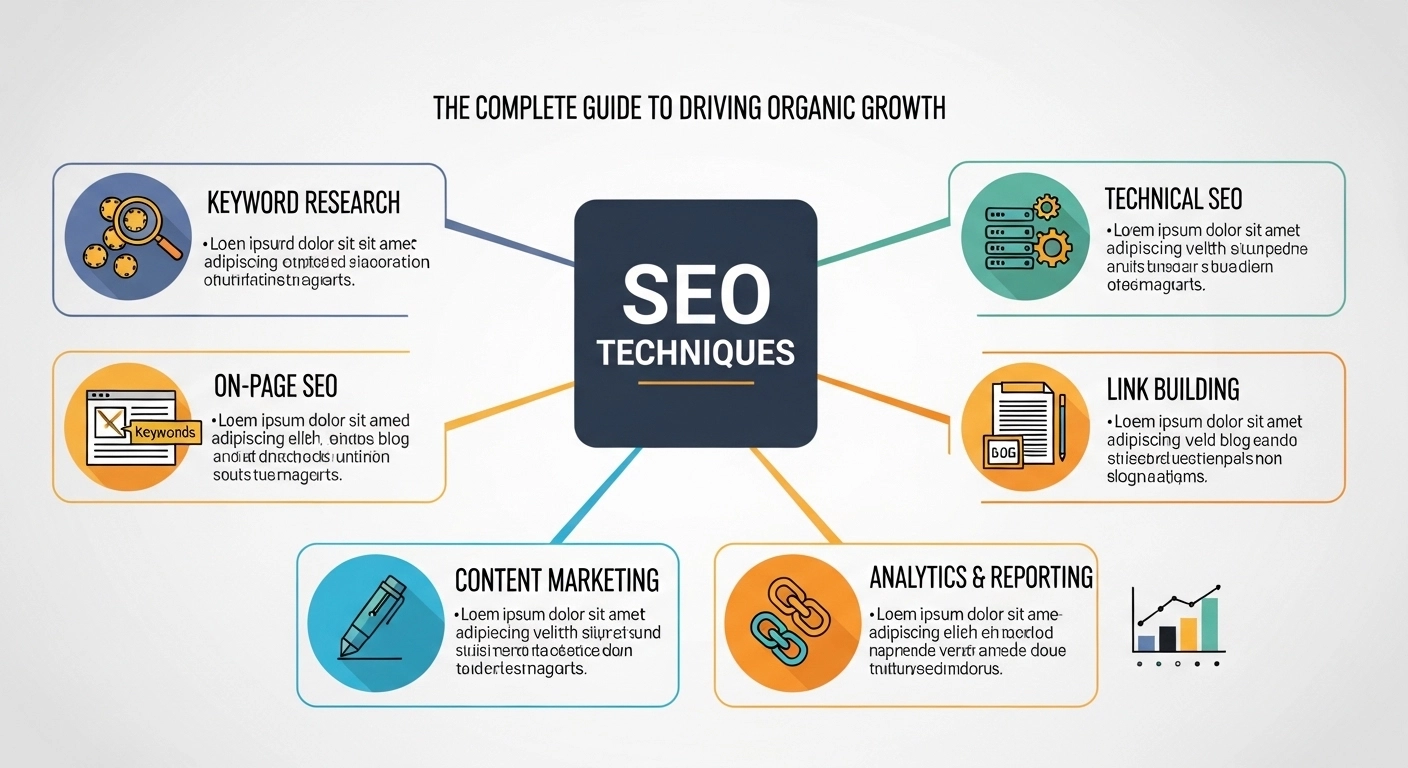
Getting your website noticed online is no longer optional—it’s essential. With millions of websites competing for attention, simply publishing content isn’t enough. You need the right strategies to ensure your content reaches the right audience at the right time. That’s where SEO techniques come into play.
This guide is designed to give you a complete understanding of modern SEO techniques—from foundational practices to advanced strategies. Whether you’re a beginner or someone looking to refine your approach, this article will help you build a strong, sustainable presence in search results.
Quick Answer: What Are SEO Techniques?
SEO techniques are methods used to improve a website’s visibility in search engine results. These techniques focus on optimizing content, improving website structure, enhancing user experience, and building authority to attract more organic traffic.
Understanding the Core of SEO
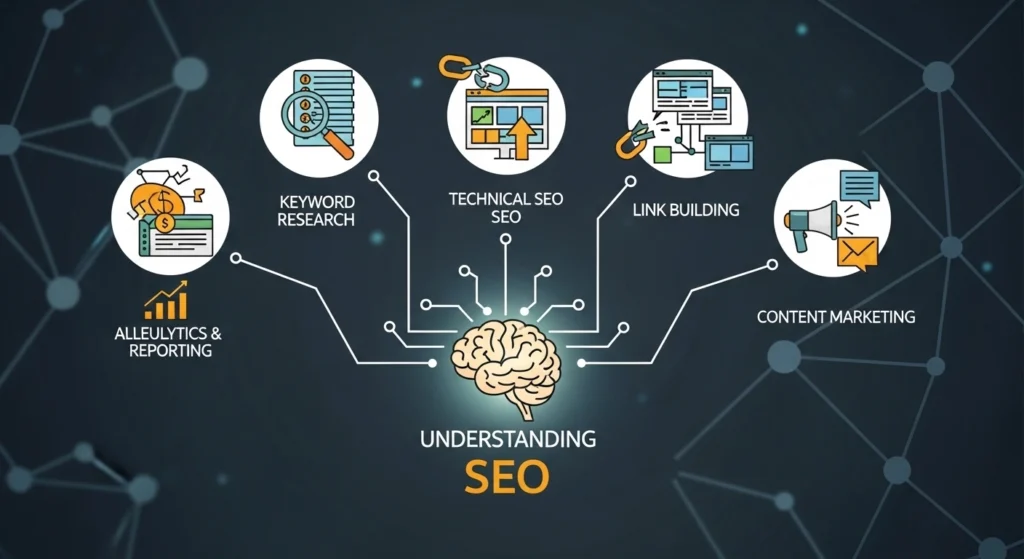
Before diving into specific techniques, it’s important to understand what makes SEO work. At its core, SEO revolves around three key pillars:
- Relevance: Matching content to what users are searching for
- Authority: Building trust through quality backlinks and credibility
- User Experience: Ensuring your website is fast, accessible, and easy to navigate
Effective SEO techniques aim to strengthen all three.
On-Page SEO Techniques
On-page SEO refers to optimizing elements within your website. These techniques directly impact how search engines understand and rank your content.
Keyword Research and Placement
Keywords are the foundation of SEO. You need to understand what your audience is searching for and incorporate those terms naturally into your content.
Focus on:
- Primary keywords for main topics
- Long-tail keywords for specific queries
- Semantic keywords for context and depth
Avoid keyword stuffing. Instead, place keywords naturally in titles, headings, and body content.
High-Quality Content Creation
Content remains one of the most powerful SEO techniques. High-quality content should:
- Solve real problems
- Be easy to read and well-structured
- Provide unique insights or value
For example, instead of writing a generic article, include real-life examples, case studies, or step-by-step instructions.
Title Tags and Meta Descriptions
Your title tag is often the first thing users see in search results. It should be clear, compelling, and include your main keyword.
Meta descriptions don’t directly impact rankings, but they improve click-through rates by encouraging users to visit your page.
Header Tags (H1, H2, H3)
Using headers helps organize your content and makes it easier for both users and search engines to understand.
- H1 for the main title
- H2 for main sections
- H3 for subsections
This structure improves readability and engagement.
Internal Linking
Internal links connect different pages on your website. They help:
- Distribute authority across pages
- Improve navigation
- Keep users engaged longer
For example, linking a blog post to a related guide encourages users to explore more of your content.
Technical SEO Techniques
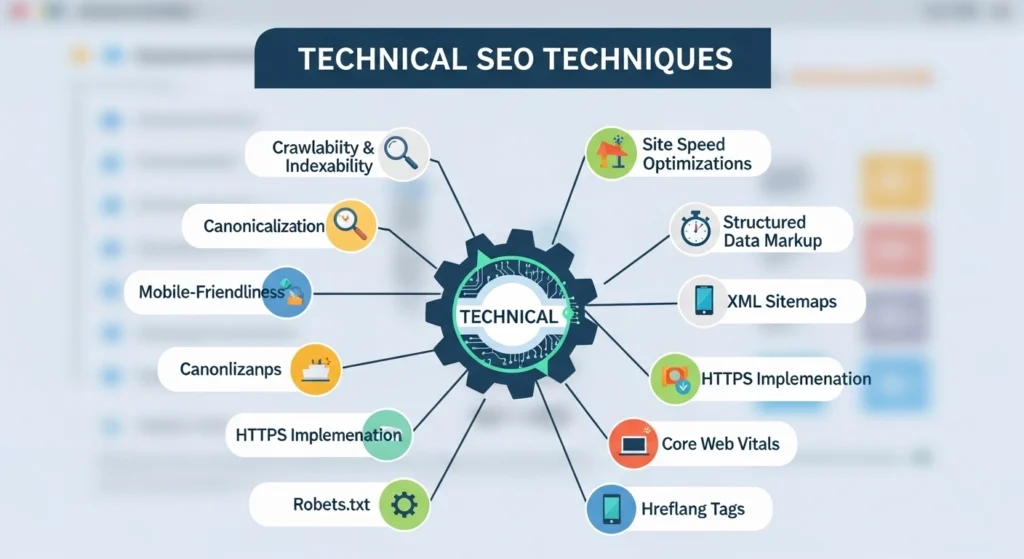
Technical SEO focuses on the backend of your website. These techniques ensure that search engines can crawl and index your site effectively.
Website Speed Optimization
A slow website can hurt both rankings and user experience. Improve speed by:
- Compressing images
- Minimizing code
- Using reliable hosting
Even a one-second delay can significantly impact user behavior.
Mobile-Friendliness
With most users browsing on mobile devices, your website must be responsive. A mobile-friendly design ensures that content looks and functions well on all screen sizes.
Secure Website (HTTPS)
Security is a ranking factor. Websites with HTTPS are considered more trustworthy and are preferred by search engines.
XML Sitemap and Robots.txt
An XML sitemap helps search engines understand your site structure, while the robots.txt file tells them which pages to crawl or ignore.
These tools ensure efficient indexing.
Fixing Crawl Errors
Broken links, duplicate content, and missing pages can harm your SEO. Regular audits help identify and fix these issues.
Off-Page SEO Techniques
Off-page SEO focuses on building your website’s authority and reputation outside your site.
Link Building
Backlinks are one of the most important ranking factors. High-quality backlinks signal trust and authority.
Effective link-building strategies include:
- Guest posting
- Creating shareable content
- Building relationships with other websites
Focus on quality over quantity. One strong backlink is more valuable than dozens of weak ones.
Social Signals
While social media doesn’t directly impact rankings, it helps increase visibility and traffic. Content that performs well on social platforms often gains more backlinks.
Brand Mentions
Even without links, mentions of your brand across the web can boost credibility and visibility.
Content Optimization Techniques
Optimizing content goes beyond just adding keywords. It involves making your content more valuable and engaging.
Search Intent Matching
Understanding user intent is crucial. Ask yourself:
- Is the user looking for information?
- Do they want to make a purchase?
- Are they comparing options?
Your content should match that intent perfectly.
Content Freshness
Updating old content keeps it relevant. Search engines prefer fresh, up-to-date information.
For example, revising statistics or adding new insights can improve rankings.
Multimedia Integration
Adding images, videos, and infographics enhances user experience and increases engagement.
Local SEO Techniques
If your business targets a specific location, local SEO is essential.
Google Business Profile Optimization
Creating and optimizing your profile helps your business appear in local search results and maps.
Local Keywords
Include location-based keywords in your content, such as city names or nearby areas.
Customer Reviews
Positive reviews build trust and improve visibility. Encourage satisfied customers to leave feedback.
Advanced SEO Techniques
Once you master the basics, you can explore advanced strategies.
Schema Markup
Schema helps search engines understand your content better and can improve how your pages appear in results.
Voice Search Optimization
With the rise of voice assistants, optimizing for conversational queries is becoming increasingly important.
Featured Snippets Optimization
Structure your content to answer questions clearly. This increases your chances of appearing in featured snippets.
Important SEO Points People Often Overlook
Many people focus only on keywords and backlinks, but overlook critical factors such as:
- User experience and readability
- Content depth and originality
- Website structure and navigation
- Consistency in publishing
SEO is not just about ranking—it’s about providing value to users.
Common Mistakes and Misconceptions
Many beginners make avoidable mistakes that hurt their progress.
One common mistake is keyword stuffing. Adding too many keywords makes content unnatural and can lead to penalties.
Another misconception is expecting instant results. SEO takes time, and consistent effort is required.
Ignoring technical issues is also a major problem. Even great content won’t rank if search engines can’t properly access your site.
Finally, relying only on one strategy—such as backlinks—limits growth. A balanced approach is essential.
Practical Tips and Best Practices
To get the best results, follow these proven practices:
Focus on creating content that genuinely helps your audience rather than just targeting keywords.
Keep your website simple, fast, and easy to navigate. A clean design improves user experience.
Regularly update your content to keep it fresh and relevant.
Monitor your performance using analytics tools and adjust your strategy based on data.
Stay consistent. SEO is a long-term investment, not a quick fix.
FAQs
What is the most important SEO technique?
There isn’t just one. High-quality content combined with proper keyword usage and strong backlinks forms the foundation of effective SEO.
How long does SEO take to show results?
SEO typically takes a few months to show noticeable results. It depends on competition, strategy, and consistency.
Can I do SEO without technical knowledge?
Yes, you can start with basic techniques like content creation and keyword research. However, learning technical aspects will improve your results.
Is SEO still relevant today?
Absolutely. As long as people use search engines, SEO remains essential for online visibility.
How often should I update my content?
It depends on the topic, but reviewing and updating content every few months is a good practice.
Conclusion
SEO techniques are not just about ranking higher—they’re about creating a better experience for your audience while building a strong, trustworthy online presence. By combining on-page, technical, and off-page strategies, you can create a well-rounded approach that delivers sustainable results.
The key is consistency. Focus on delivering value, stay updated with trends, and continuously refine your strategy. Over time, these efforts will compound and lead to meaningful growth.

David Miller is a USA-based puzzle blogger known for his sharp and tricky riddles. With a background in logic games and quizzes, his work focuses on keeping readers hooked with every twist and turn.