
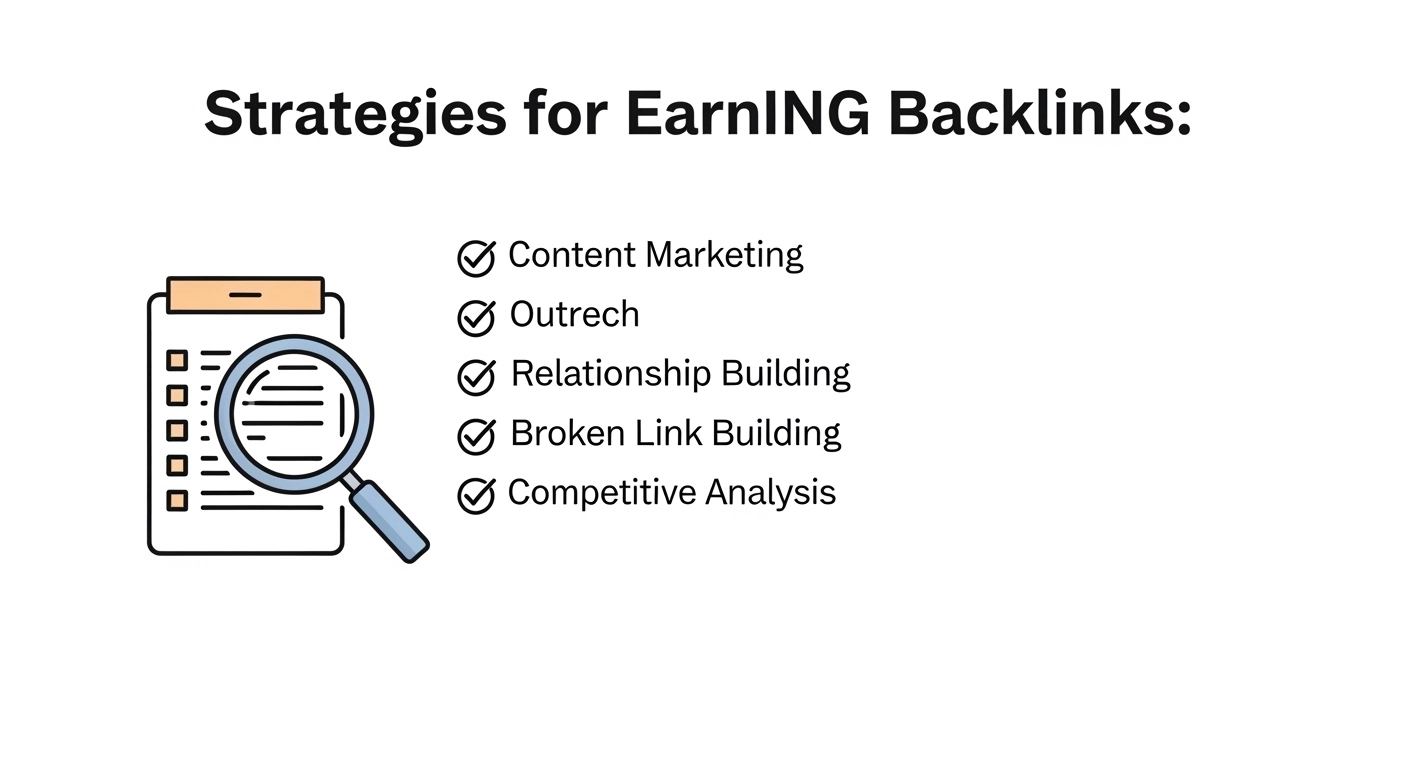
Backlink building is one of the most influential factors in determining how well a website performs in search rankings and how much organic traffic it attracts. Yet, it’s also one of the most misunderstood aspects of digital growth.
At its core, backlink building is about earning trust. When other websites link to your content, they are essentially vouching for its value. The more credible and relevant those endorsements are, the stronger your site appears.
This guide will walk you through everything you need to know—from what backlinks are and why they matter to proven strategies, common mistakes, and practical tips you can apply immediately.
Quick Answer: What Is Backlink Building?
Backlink building is the process of acquiring links from other websites to your own. These links act as signals of credibility and authority, helping search engines determine the value and relevance of your content.
In simple terms, the more high-quality backlinks you have, the more trustworthy your website appears.
What Are Backlinks and Why Do They Matter?
A backlink is simply a link from one website to another. When a site links to your content, it tells both users and search engines that your content is worth referencing.
Why Backlinks Are Important
Backlinks play several critical roles:
They help search engines discover your content more easily.
They act as a vote of confidence from other websites.
They influence how high your pages rank.
They drive referral traffic from external sources.
Not all backlinks are equal. A single link from a highly respected website can be more powerful than dozens of low-quality links.
Types of Backlinks You Should Know
Understanding different types of backlinks helps you focus on what actually works.
DoFollow vs NoFollow Links
DoFollow links pass authority and directly impact rankings.
NoFollow links don’t pass authority in the same way but still provide traffic and visibility.
Both have value. A natural backlink profile includes a mix of both.
High-Quality vs Low-Quality Links
High-quality links come from relevant, authoritative, and trustworthy websites.
Low-quality links come from spammy, unrelated, or low-value sites.
Focusing on quality over quantity is essential.
Contextual Links vs Directory Links
Contextual links are placed within content and are more valuable because they are relevant and natural.
Directory links are often less impactful unless they come from reputable sources.
How Backlink Building Works
Backlink building is not about randomly placing links across the internet. It’s about earning them through value, relationships, and visibility.
The process typically involves:
Creating content worth linking to
Promoting that content
Building relationships with other website owners
Encouraging natural mentions and references
Think of it as reputation building rather than link collecting.
Proven Backlink Building Strategies
Create High-Value Content
The foundation of all backlink building is content. If your content isn’t useful, people won’t link to it.
Examples of link-worthy content include:
In-depth guides
Original research
Case studies
Unique insights or opinions
The better your content, the easier link building becomes.
Guest Posting
Guest posting involves writing content for other websites in your niche.
This helps you:
Reach new audiences
Build authority
Earn contextual backlinks
The key is to focus on quality sites and provide genuine value, not just drop links.
Broken Link Building
This strategy involves finding broken links on other websites and suggesting your content as a replacement.
It works because:
You help site owners fix issues
You provide a ready solution
You earn a relevant backlink
Outreach and Relationship Building
Personal outreach is one of the most effective methods.
This includes:
Reaching out to bloggers
Connecting with content creators
Collaborating with industry experts
Building real relationships often leads to natural backlinks over time.
Resource Page Link Building
Many websites have resource pages that list helpful content.
If your content fits, you can:
Reach out to the site owner
Suggest adding your content
Explain why it adds value
Skyscraper Technique
This involves:
Finding popular content
Creating something better
Promoting it to the right audience
If your content improves on existing resources, people are more likely to link to it.
Step-by-Step Backlink Building Process
Step 1: Identify Your Target Pages
Choose pages that you want to rank higher or promote.
Step 2: Create Link-Worthy Content
Focus on depth, clarity, and usefulness.
Step 3: Research Relevant Websites
Find websites in your niche that could link to your content.
Step 4: Reach Out
Contact site owners with a clear, respectful message explaining the value of your content.
Step 5: Follow Up
Many opportunities come from polite follow-ups.
Step 6: Track Results
Monitor which strategies work best and refine your approach.
Important Points People Often Overlook
Many people focus only on getting links but ignore the bigger picture.
Relevance matters more than volume. A link from a related site is far more valuable than a random one.
Anchor text should feel natural. Over-optimization can look unnatural.
Link diversity is important. Relying on one method can limit growth.
Consistency beats short bursts. Building links gradually creates a natural pattern.
Another overlooked factor is user value. If a link doesn’t make sense for readers, it won’t be sustainable.
Common Mistakes and Misconceptions
Focusing Only on Quantity
More links do not always mean better results. Low-quality links can harm rather than help.
Ignoring Content Quality
Without strong content, link building becomes difficult and ineffective.
Using Spammy Techniques
Buying links or using automated tools may seem tempting, but they often lead to penalties.
Expecting Instant Results
Backlink building is a long-term process. Results take time.
Targeting Irrelevant Websites
Links from unrelated sites don’t provide meaningful value.
Backlink Building vs Other Growth Strategies
Backlink building is often compared to other methods of increasing visibility.
Content creation focuses on producing valuable material.
Backlink building focuses on promoting and earning recognition for that material.
Social media helps distribute content quickly.
Backlink building helps establish long-term authority.
Both approaches complement each other rather than compete.
Practical Tips and Best Practices
Focus on building relationships, not just links.
Prioritize quality over quantity at all times.
Create content that solves real problems.
Keep outreach messages simple and genuine.
Update and improve existing content regularly.
Track your progress and adjust your strategy.
Consistency and patience are key. The most successful efforts are built over time.
FAQs
How long does backlink building take to show results?
It usually takes a few weeks to several months to see noticeable improvements. The timeline depends on the quality of links and competition.
Are all backlinks equally valuable?
No. Links from authoritative and relevant websites carry far more weight than low-quality or unrelated links.
Can I build backlinks without outreach?
Yes, but it’s slower. High-quality content can attract links naturally, but outreach accelerates the process.
Is it safe to buy backlinks?
Buying backlinks is risky and often leads to poor-quality links. It’s better to focus on earning them naturally.
How many backlinks do I need?
There is no fixed number. It depends on your niche, competition, and the quality of your links.
Conclusion
Backlink building is not just a technical task—it’s a strategic process rooted in trust, value, and relationships. When done correctly, it strengthens your website’s authority, increases visibility, and drives meaningful traffic.
The key is to focus on quality, relevance, and consistency. Create content that deserves attention, connect with the right people, and build links naturally over time.
If you approach backlink building with patience and purpose, it becomes one of the most powerful tools for long-term growth.

Shel Silverstein was a multi-talented poet, songwriter, and children’s author from the USA. His playful poems often felt like riddles in disguise, blending humor with deep meaning, making him a timeless favorite for puzzle and word lovers.