
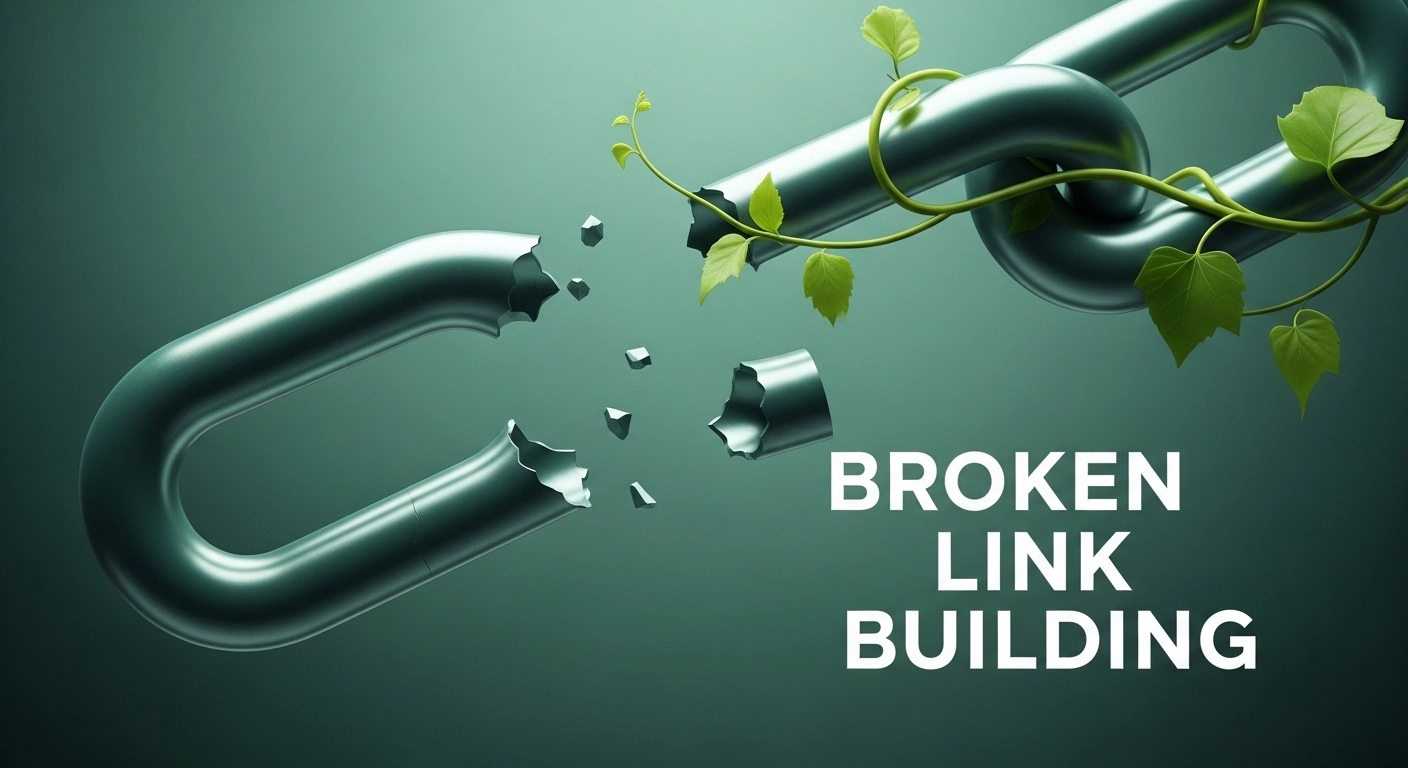
Broken link building is one of the most practical and effective ways to earn high-quality links while genuinely helping website owners improve their content. Instead of chasing links blindly, this approach focuses on identifying dead or outdated links on websites and offering a relevant, valuable replacement.
At its core, broken link building is simple: you find a broken link, create or suggest a better resource, and politely ask the website owner to replace it with yours. When done right, it creates a win-win situation—site owners fix a problem, and you gain a valuable link.
This guide will walk you through everything you need to know, from the basics to advanced strategies, so you can use broken link building confidently and effectively.
What Is Broken Link Building?
Broken link building is a strategy where you:
- Find links on websites that no longer work (broken links)
- Identify or create content that matches the original intent of that link
- Reach out to the website owner and suggest your content as a replacement
A broken link typically leads to a “404 page not found” error or content that no longer exists. These links create a poor user experience, which is why many website owners are open to fixing them.
Quick Answer: How Broken Link Building Works
Broken link building works by replacing dead links on websites with your own relevant, working content. You help the site owner fix an issue while gaining a link in return.
Why Broken Link Building Matters
Broken link building stands out because it is both effective and ethical. Instead of pushing your content aggressively, you are offering value first.
It Solves a Real Problem
Website owners often don’t realize they have broken links. By pointing them out, you’re helping improve their site quality and user experience.
Higher Success Rate
Compared to cold outreach, broken link building tends to get better responses because your request is helpful rather than promotional.
Builds Relationships
This approach can lead to long-term connections with site owners, editors, and content managers.
Improves Content Quality
To succeed, you often need to create better, more complete resources—which improves your overall content quality.
Types of Broken Link Opportunities
Not all broken links are equal. Understanding where to find the best opportunities makes a big difference.
Resource Pages
These are pages that list helpful links on a specific topic. They are ideal because they are designed to link out to useful content.
Blog Posts
Older blog posts often contain outdated or broken links. These can be valuable if the content is still receiving traffic.
Industry Guides and Tutorials
Long-form guides often include multiple external links, increasing the chances of finding broken ones.
Competitor Backlinks
Sometimes, links pointing to your competitors become broken. These are high-value opportunities if you can provide a similar or better resource.
Step-by-Step Process for Broken Link Building
Step 1: Find Relevant Websites
Start by identifying websites in your niche. Focus on sites that publish content related to your topic.
You can search for:
- Resource pages
- Guides
- Blogs in your industry
Step 2: Identify Broken Links
Use tools or manual checks to find broken links on those websites. Look for links that return errors or lead to missing pages.
Step 3: Analyze the Original Content
Before suggesting a replacement, understand what the original link was about. This helps you create or match content that fits naturally.
You can use web archives or cached versions to see what the original page contained.
Step 4: Create or Match Content
If you already have content that fits, that’s great. If not, create something that:
- Matches the original topic
- Provides updated and accurate information
- Adds more value than the original resource
Step 5: Reach Out
Contact the website owner or editor. Keep your message simple, helpful, and respectful.
Explain:
- Where the broken link is
- Why it’s an issue
- Suggest your content as a replacement
Step 6: Follow Up
If you don’t get a response, send a polite follow-up after a few days. Many people miss emails, so a reminder helps.
Example of Broken Link Building in Action
Imagine you run a fitness blog.
You find a resource page about “home workout guides,” and one of the links leads to a dead page. The original content was about beginner workout routines.
You already have a detailed guide on beginner workouts. You reach out to the site owner and suggest your guide as a replacement.
If your content is relevant and helpful, there’s a good chance they will update the link.
Important Points People Often Overlook
Relevance Is Everything
Even if you find a broken link, your replacement must match the original intent. A mismatch will likely be ignored.
Content Quality Matters
If your content is weak, outdated, or incomplete, it won’t be accepted. High-quality content is essential.
Timing Can Affect Success
Some website owners update their content regularly, while others rarely do. Targeting active sites increases your chances.
Personalization Makes a Difference
Generic outreach messages are often ignored. A personalized message shows effort and increases trust.
Common Mistakes to Avoid
Sending Generic Emails
Mass outreach without personalization rarely works. It feels spammy and is often ignored.
Ignoring Context
Suggesting content that doesn’t match the original link’s purpose is a common mistake.
Targeting Low-Quality Sites
Not all links are valuable. Focus on reputable and relevant websites.
Not Verifying Broken Links
Sometimes links appear broken temporarily. Always double-check before reaching out.
Overlooking Follow-Ups
Many opportunities are lost simply because there was no follow-up.
Broken Link Building vs Other Link Strategies
Compared to Guest Posting
Guest posting requires creating new content for another site, while broken link building focuses on replacing existing links.
Broken link building is often faster, but guest posting allows more control over content placement.
Compared to Outreach for Mentions
Mention outreach asks for a link where your brand is already mentioned. Broken link building, on the other hand, solves a problem first.
Compared to Buying Links
Buying links may seem faster, but it carries risks and often lacks authenticity. Broken link building is safer and more sustainable.
Practical Tips for Better Results
Focus on High-Value Pages
Pages with strong authority and traffic are more valuable targets.
Keep Your Outreach Short
Long emails are often ignored. Be clear and concise.
Build a System
Track your outreach, responses, and successes. This helps you improve over time.
Improve Existing Content
Sometimes updating your current content is enough instead of creating something new.
Be Patient
Results don’t happen overnight. Consistency is key.
Advanced Strategies
Recreate Lost Content
If a popular page is no longer available, recreate it with better quality and updated information.
Use Competitor Analysis
Find broken links pointing to competitor sites and offer your content as a replacement.
Scale Carefully
Automation can help, but avoid losing personalization. Balance efficiency with quality.
FAQs
What makes a good broken link opportunity?
A good opportunity is a broken link on a relevant, high-quality website where your content closely matches the original topic.
Do I need to create new content every time?
Not always. If you already have relevant content, you can use it. Otherwise, creating new content may increase your chances of success.
How many outreach emails should I send?
It depends on your goals, but focus on quality over quantity. A few well-targeted emails are better than hundreds of generic ones.
How long does it take to see results?
It varies. Some responses come within days, while others may take weeks. Consistent effort is more important than speed.
Is broken link building suitable for beginners?
Yes, it’s one of the most beginner-friendly strategies because it’s straightforward and based on providing value.
Conclusion
Broken link building is a practical, ethical, and highly effective way to earn quality links while helping others improve their websites. It combines research, content creation, and outreach into a strategy that rewards effort and relevance.
When done correctly, it doesn’t just build links—it builds relationships, strengthens your content, and creates long-term opportunities. Focus on providing real value, stay consistent, and refine your approach over time.
Mastering broken link building takes patience, but the results are worth it.

Shel Silverstein was a multi-talented poet, songwriter, and children’s author from the USA. His playful poems often felt like riddles in disguise, blending humor with deep meaning, making him a timeless favorite for puzzle and word lovers.