
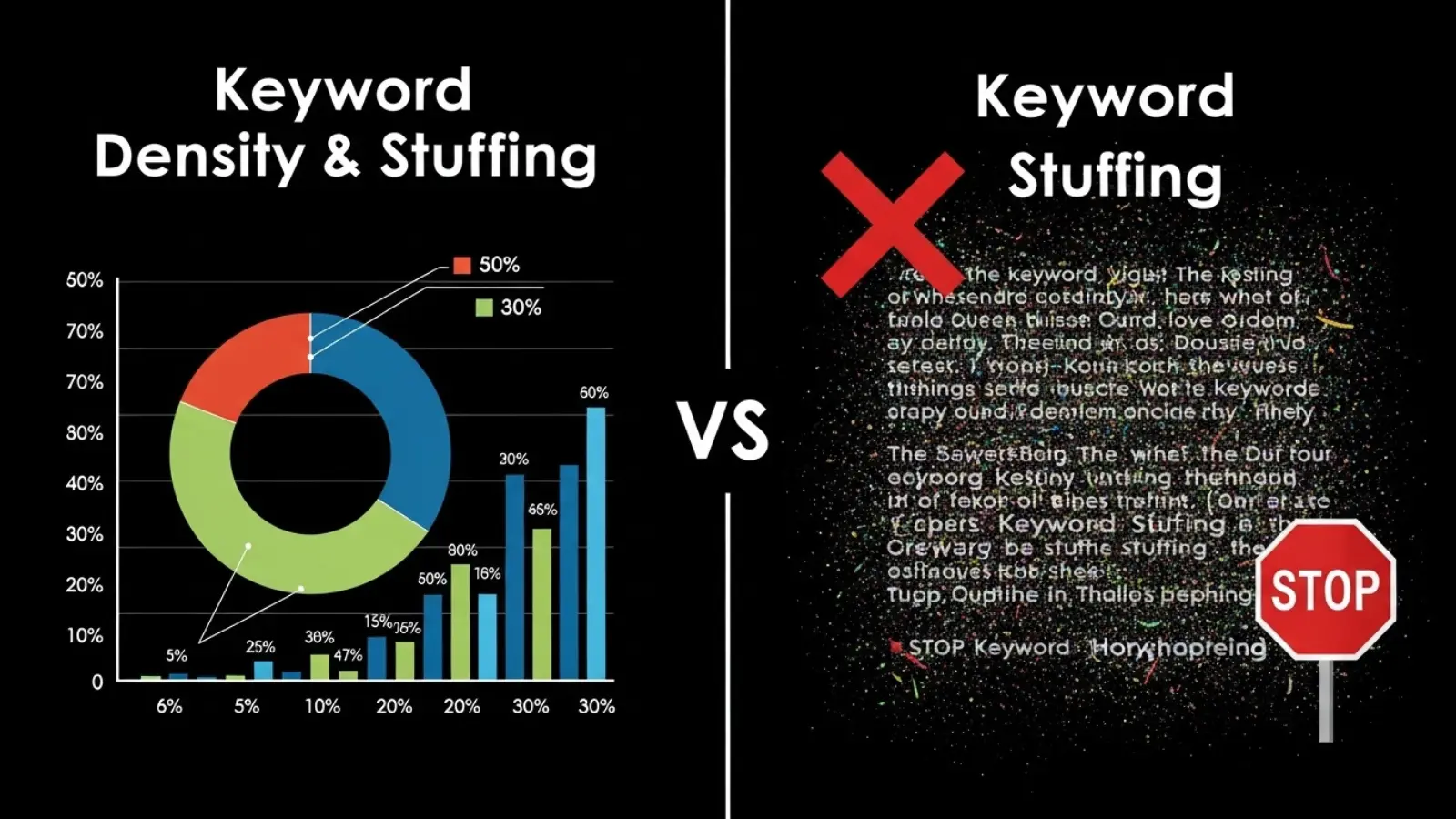
Getting your content noticed online isn’t just about writing well—it’s about making sure the right people can find what you’ve written. That’s where keyword placement comes in. When used correctly, it helps search engines understand your content while keeping it clear and engaging for readers.
But here’s the challenge: many people either overuse keywords or place them poorly, which can harm both rankings and readability. This guide will walk you through exactly how keyword placement works, where to use keywords, and how to do it naturally—without sounding forced or robotic.
Whether you’re a beginner or looking to refine your strategy, this article will give you a complete, practical understanding of keyword placement.
Quick Answer: What Is Keyword Placement?
Keyword placement is the practice of strategically adding target words and phrases into your content so that search engines and readers can easily understand the topic.
The key is balance: placing keywords in important areas while keeping the content natural, readable, and helpful.
Why Keyword Placement Matters
Keyword placement directly affects how well your content performs. When done correctly, it:
- Helps search engines understand your topic clearly
- Improves your chances of ranking higher
- Makes content more relevant to user intent
- Enhances readability when used naturally
On the other hand, poor placement—such as stuffing or random usage—can confuse both readers and search engines.
Where to Place Keywords for Maximum Impact
Not all parts of your content are equal. Some areas carry more weight and should always include your primary keyword.
Title (Headline)
Your title is one of the most important places for your keyword. It should include your main keyword naturally and clearly describe what the content is about.
Example:
“Keyword Placement Guide for Beginners” is better than a vague title like “Learn Content Strategy.”
Introduction
Include your keyword within the first 100–150 words. This helps establish relevance early.
However, don’t force it. The introduction should still flow naturally and engage the reader.
Headings and Subheadings
Using keywords in headings improves structure and clarity. It also signals what each section is about.
Use variations rather than repeating the same keyword in every heading.
Body Content
This is where most of your keywords will appear. The goal is natural distribution, not repetition.
A good approach is to:
- Use your main keyword a few times
- Add related terms and variations
- Write for humans first, not algorithms
URL (If Applicable)
A clean, keyword-focused URL improves clarity and click-through rates.
Example:
yourwebsite.com/keyword-placement-guide
Meta Description
While it doesn’t directly impact rankings, a well-written description with your keyword can improve clicks.
Image Alt Text
If your content includes images, adding keywords in alt text helps describe the image and improves accessibility.
Types of Keywords You Should Use
Effective keyword placement isn’t just about one keyword. It involves a mix of different types.
Primary Keywords
These are your main target phrases. They define the core topic of your content.
Secondary Keywords
These support your main keyword and add depth. They often include variations or closely related terms.
Long-Tail Keywords
Longer, more specific phrases that match user intent more closely.
Example:
Instead of “keyword placement,” use “how to place keywords in blog posts.”
These often bring more targeted traffic.
Semantic Keywords
Words and phrases related to your topic that help create context.
Using them makes your content more comprehensive and natural.
Step-by-Step Guide to Effective Keyword Placement
Step 1: Choose the Right Keyword
Start with a clear understanding of your topic and audience. Select a keyword that matches what people are actually searching for.
Step 2: Understand User Intent
Ask yourself: what does the reader want to learn?
Your keyword placement should support that intent, not distract from it.
Step 3: Plan Your Content Structure
Before writing, outline your headings and sections. Decide where your keywords will naturally fit.
Step 4: Write Naturally First
Focus on clarity and value. Add keywords where they make sense instead of forcing them into every sentence.
Step 5: Optimize After Writing
Once your content is complete:
- Add keywords to key areas (title, headings, intro)
- Replace awkward repetitions with variations
- Ensure smooth readability
Examples of Good vs Bad Keyword Placement
Good Example
“This guide explains how to use keywords effectively in your content without overloading it.”
- Natural flow
- Clear meaning
- Keyword fits smoothly
Bad Example
“This keyword placement guide helps with keyword placement in content using keyword placement strategies.”
- Repetitive
- Awkward
- Difficult to read
The difference is obvious: good placement feels invisible.
Common Mistakes to Avoid
Keyword Stuffing
Using the same keyword repeatedly makes content unnatural and frustrating to read.
Ignoring Readability
If your content sounds robotic, readers will leave—even if it ranks.
Over-Optimizing Headings
Stuffing keywords into every heading reduces clarity.
Using Irrelevant Keywords
Keywords should match the content. Misleading placement damages trust.
Forgetting Variations
Repeating the exact phrase instead of using natural variations limits your content’s effectiveness.
Important Points People Often Overlook
One of the biggest overlooked aspects is context. Keywords don’t work in isolation—they need supporting content that explains and expands the topic.
Another often-missed detail is placement balance. It’s not about how many times you use a keyword, but where and how naturally it appears.
Also, many people forget that user experience matters just as much as technical placement. If your content isn’t helpful, no amount of keyword placement will fix it.
Best Practices for Keyword Placement
Focus on Natural Language
Write the way people speak and read. Keywords should blend into your sentences.
Use Variations
Instead of repeating one phrase, use synonyms and related terms.
Prioritize Key Sections
Always optimize:
- Title
- Introduction
- Headings
- Conclusion
Keep Density Reasonable
There’s no perfect number, but avoid overuse. Aim for balance.
Read Aloud Test
If it sounds awkward when read aloud, your keyword placement needs improvement.
Keyword Placement vs Keyword Density
Keyword placement is about where keywords appear.
Keyword density is about how often they appear.
Modern content focuses more on placement and context rather than strict density percentages.
Over-focusing on density often leads to unnatural writing.
Advanced Tips for Better Results
Match Search Intent Precisely
Align your keywords with what users are actually looking for, not just popular phrases.
Use Keywords Early and Strategically
Placing keywords near the beginning of titles and paragraphs increases clarity.
Optimize for Featured Snippets
Answer questions directly and clearly to improve visibility.
Combine Keywords with Strong Content
Even perfect placement won’t work without valuable, informative content.
FAQs
How many times should I use a keyword?
There’s no fixed number. Focus on natural usage. If it reads smoothly and clearly, you’re on the right track.
Can I rank without exact keyword matches?
Yes. Using variations and related terms can be just as effective, especially when they match user intent.
Is keyword placement more important than content quality?
No. Content quality always comes first. Keyword placement supports good content—it doesn’t replace it.
Should I use the keyword in every heading?
No. Use it where it makes sense. Overusing it in headings can reduce readability.
Do keywords still matter today?
Yes, but how you use them matters more than ever. Natural placement and relevance are key.
Conclusion
Keyword placement is not about forcing words into your content—it’s about guiding both readers and search engines to understand your message clearly.
When done right, it enhances clarity, improves visibility, and makes your content more effective. When done poorly, it creates confusion and reduces trust.
The key takeaway is simple: write for people first, then refine your keyword placement to support your content—not control it.
Mastering this balance is what separates average content from truly high-performing content.

Christopher Adams is a puzzle enthusiast and riddle creator from the USA. He is known for mixing humor with logic, producing riddles that make readers laugh while they think.