
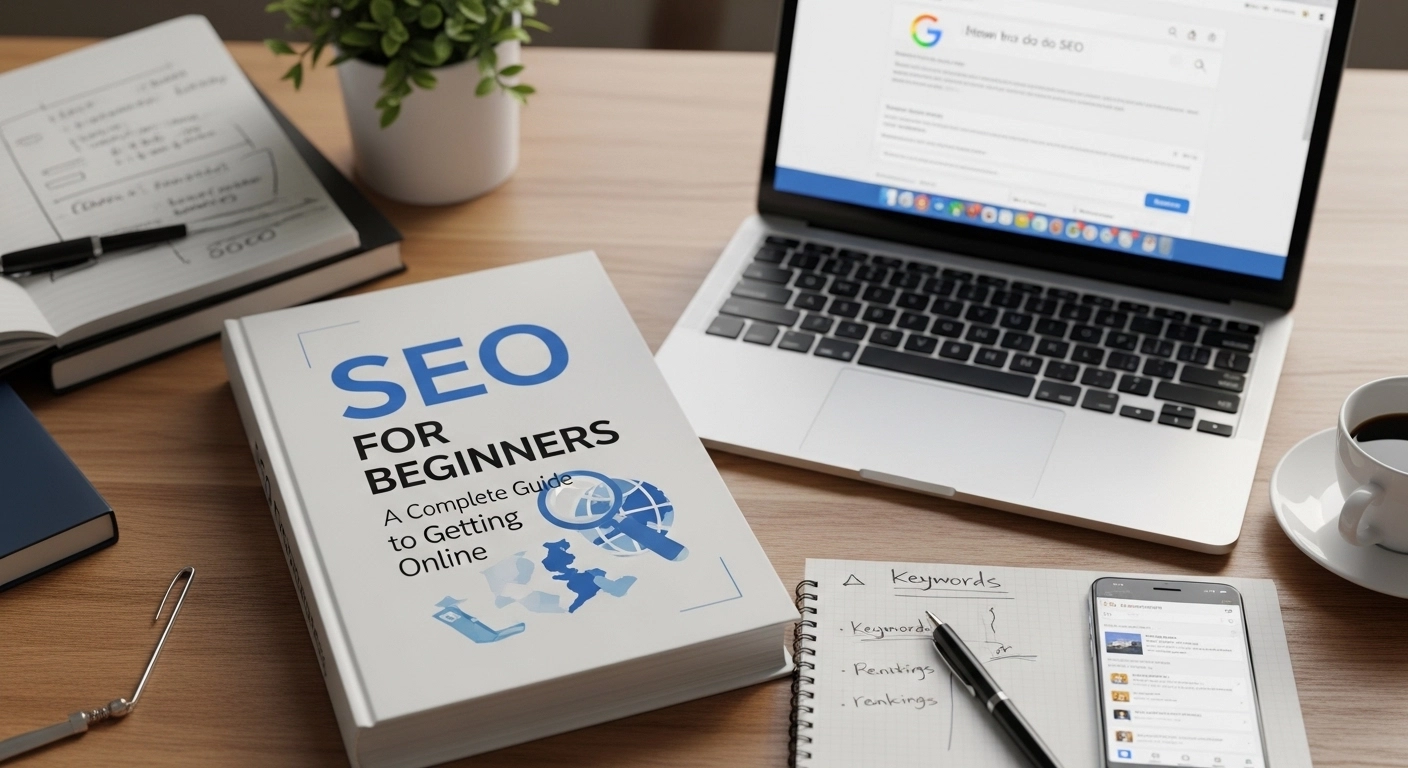
If you’ve ever wondered why some websites appear at the top of search results while others remain invisible, you’re not alone. For beginners, understanding how search visibility works can feel overwhelming. But the truth is, with the right approach, anyone can learn how to improve their website’s presence and attract more visitors.
This guide is designed to give you a clear, practical, and complete understanding of how to get started. Whether you’re building a blog, running a business, or creating an online portfolio, this article will walk you through everything you need to know—from the basics to actionable steps you can apply immediately.
Quick Answer: What Is SEO for Beginners?
SEO (Search Engine Optimization) for beginners is the process of improving a website so it appears higher in search results. This involves optimizing content, structure, and technical elements to make it easier for search engines to understand and rank your pages.
In simple terms, it’s about helping people find your website when they search for something relevant.
What Is SEO and Why It Matters
Search engines aim to deliver the most relevant and useful results to users. SEO helps your website align with those expectations.
When done correctly, it can:
- Increase website traffic without paid ads
- Improve credibility and trust
- Bring long-term, sustainable growth
- Help you reach the right audience
For beginners, the biggest advantage is that you don’t need a large budget—just consistency and the right strategy.
How Search Engines Work
Before diving into techniques, it’s important to understand how search engines function. They operate in three main steps:
Crawling
Search engines send bots (called crawlers) to discover new and updated pages on the web.
Indexing
Once a page is discovered, it gets stored in a database (index) where it can be retrieved later.
Ranking
When someone searches for something, the search engine ranks pages based on relevance, quality, and usefulness.
Your goal is to make your website easy to crawl, properly indexed, and valuable enough to rank.
The Core Elements of SEO
SEO is not just one thing—it’s a combination of multiple areas working together.
On-Page SEO
This focuses on optimizing content and elements within your website.
Content Quality
Your content should be helpful, clear, and relevant. It must answer real user questions.
Keywords
Keywords are the terms people search for. Using them naturally in your content helps search engines understand your topic.
Headings and Structure
Proper headings (like H1, H2, H3) improve readability and organization.
Meta Tags
Titles and descriptions help search engines and users understand what your page is about.
Off-Page SEO
This involves actions outside your website that improve credibility.
Backlinks
Links from other websites act as votes of trust. The more quality backlinks you have, the stronger your authority.
Brand Mentions
Even without links, mentions of your brand across the web can improve recognition.
Technical SEO
This ensures your website works properly for both users and search engines.
Site Speed
Faster websites provide a better user experience and rank higher.
Mobile-Friendliness
Your site must work smoothly on mobile devices.
Secure Connection
Websites using HTTPS are considered safer and more trustworthy.
Step-by-Step Guide for Beginners
Getting started doesn’t have to be complicated. Follow this simple process:
Step 1: Choose the Right Topic
Start with topics people are actually searching for. Think about problems your audience wants to solve.
Step 2: Do Keyword Research
Find keywords related to your topic. Focus on:
- Search intent (what users want)
- Low competition keywords
- Long-tail phrases (more specific searches)
Step 3: Create High-Quality Content
Write content that:
- Answers questions clearly
- Provides real value
- Is easy to read
Example: Instead of writing general advice, include specific steps or examples.
Step 4: Optimize Your Page
Add your keyword naturally in:
- Title
- Headings
- First paragraph
- Throughout the content
Avoid overusing keywords—keep it natural.
Step 5: Improve User Experience
Make your website easy to navigate:
- Use clean design
- Add internal links
- Keep paragraphs readable
Step 6: Build Backlinks
Reach out to other websites, write guest posts, or create content people want to share.
Step 7: Track and Improve
Use tools to monitor performance and adjust your strategy over time.
Important Points Beginners Often Overlook
Many beginners focus only on keywords, but miss other critical factors.
Search Intent Matters More Than Keywords
It’s not just about what people search, but why they search it. Match your content to their intent.
Consistency Beats Perfection
Publishing regularly is more important than waiting for perfect content.
User Experience Is Key
If users leave your site quickly, your rankings may drop—even if your content is good.
Content Depth Matters
Thin content rarely ranks well. Aim for complete, detailed information.
Common Mistakes to Avoid
Keyword Stuffing
Using too many keywords makes content unreadable and can hurt rankings.
Ignoring Mobile Users
A website that doesn’t work on phones will lose a large portion of traffic.
Copying Content
Duplicate content can damage your credibility and rankings.
Expecting Instant Results
SEO takes time. Results often take weeks or months, not days.
Neglecting Technical Issues
Broken links, slow speed, and poor structure can hold your site back.
Practical Tips and Best Practices
Focus on One Topic Per Page
Each page should have a clear purpose. Don’t try to cover everything at once.
Write for Humans First
Always prioritize readability and usefulness over technical tricks.
Use Internal Linking
Link to other relevant pages on your site to improve navigation and engagement.
Update Old Content
Refreshing existing content can boost rankings without creating new pages.
Optimize Images
Use proper file sizes and descriptive alt text to improve performance and accessibility.
Comparing SEO with Paid Advertising
Both methods help drive traffic, but they work differently.
SEO
- Free traffic
- Long-term results
- Requires time and effort
Paid Ads
- Instant traffic
- Costs money
- Stops when budget ends
For beginners, SEO is a strong foundation, while ads can provide quick boosts when needed.
Frequently Asked Questions
1. How long does it take to see results?
It usually takes 3 to 6 months to see noticeable improvements, depending on competition and effort.
2. Do I need technical skills to start?
No. Basic understanding is enough. You can learn technical aspects gradually.
3. How many keywords should I use in one article?
Focus on one main keyword and a few related terms. Avoid overusing them.
4. Is SEO still relevant today?
Yes. As long as people use search engines, SEO remains essential for online visibility.
5. Can I do SEO without a website?
You can optimize content on platforms like social media or video sites, but having your own website gives you more control and long-term benefits.
Conclusion
SEO for beginners may seem complex at first, but it becomes much clearer once you understand the core principles. It’s not about tricks or shortcuts—it’s about creating valuable content, improving user experience, and building trust over time.
Start small, stay consistent, and focus on helping your audience. As you learn and apply these strategies, your website will gradually grow in visibility and authority.
The key is patience and persistence. Every improvement you make today contributes to long-term success.

Edgar Allan Poe is one of America’s most iconic literary figures, celebrated for his mysterious short stories and haunting poems. Known as the master of gothic fiction, Poe’s works often contain riddles, codes, and puzzles that continue to inspire mystery lovers around the world.