
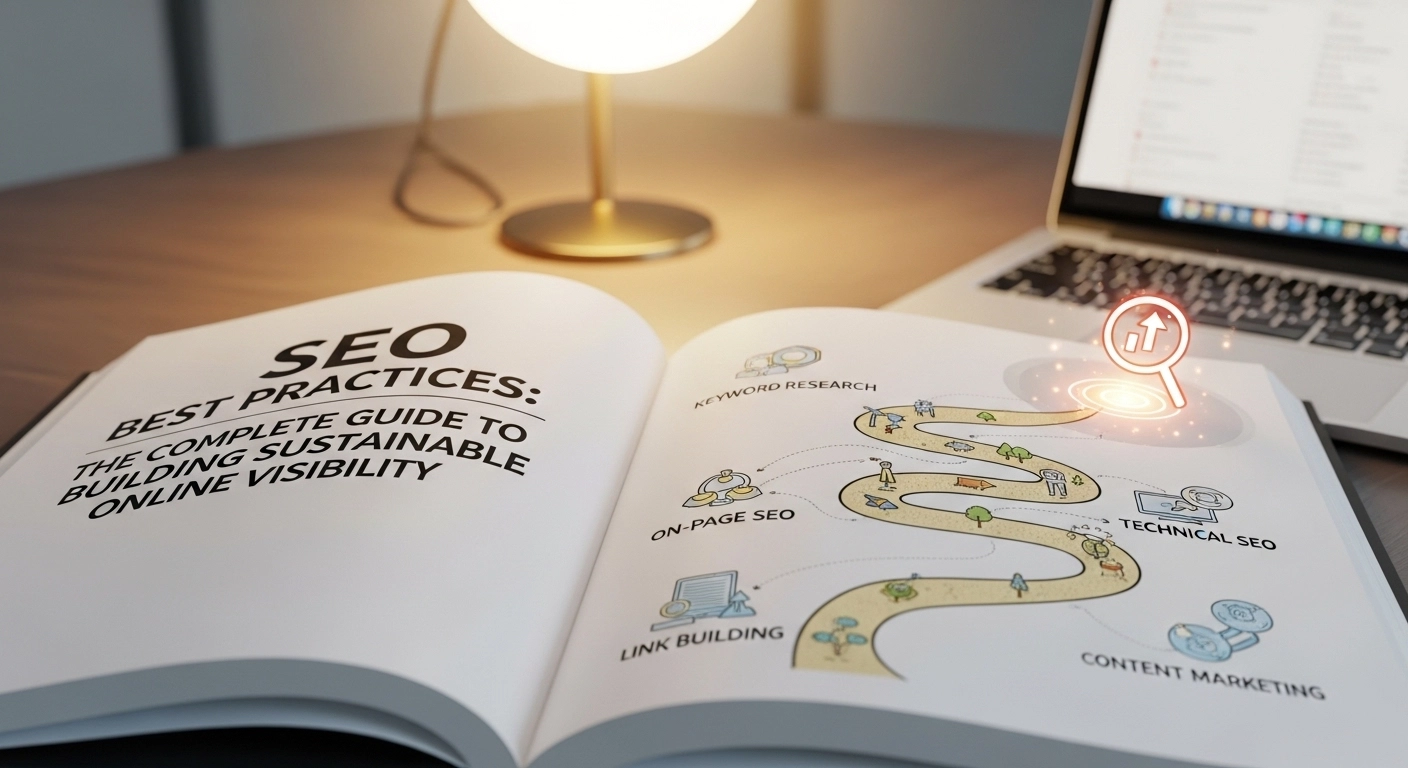
Getting consistent traffic from search engines is not about luck—it’s about doing the right things consistently. Many websites struggle not because they lack potential, but because they miss essential practices that help them get discovered.
This guide explains the most effective SEO best practices in a clear, practical way. Whether you’re a beginner or someone looking to refine your strategy, you’ll learn how to build a strong foundation, create valuable content, and improve your site’s performance over time.
The goal is simple: help your website become more visible, more useful, and more trusted.
Quick Answer: What Are SEO Best Practices?
SEO best practices are proven methods that help your website rank higher in search results. They focus on improving content quality, website structure, user experience, and technical performance.
At their core, they include:
- Creating helpful, relevant content
- Using the right keywords naturally
- Improving page speed and mobile usability
- Building trust through links and credibility
- Ensuring your website is easy to crawl and understand
These practices work together to make your site both user-friendly and search-friendly.
Understanding How Search Engines Work
Before diving deeper, it helps to understand how search engines operate. They follow three main steps:
Crawling
Search engines discover pages by following links across the web.
Indexing
They store and organize content in a massive database.
Ranking
They decide which pages appear first based on relevance, quality, and authority.
Your job is to make your site easy to crawl, valuable to index, and worthy of ranking.
Keyword Research: The Foundation of Visibility
Everything begins with understanding what people are searching for.
Choosing the Right Keywords
Focus on keywords that:
- Match user intent
- Have reasonable competition
- Are relevant to your content
For example, instead of targeting a broad term like “fitness,” a more focused phrase like “home workout for beginners” is easier to rank and more useful.
Understanding Search Intent
Every search has a purpose:
- Informational (learning something)
- Navigational (finding a specific site)
- Transactional (ready to buy or act)
Your content must match the intent. If someone wants a guide, don’t give them a sales page.
Using Keywords Naturally
Avoid stuffing keywords. Instead:
- Place them in titles, headings, and early paragraphs
- Use variations and related terms
- Write for humans first, then refine
High-Quality Content: The Heart of SEO
Content is the most important factor in long-term success.
What Makes Content High-Quality?
Great content is:
- Helpful and informative
- Easy to read and understand
- Well-structured and organized
- Original and trustworthy
It should fully answer the reader’s question without forcing them to look elsewhere.
Content Depth and Completeness
Thin content rarely performs well. Cover topics thoroughly:
- Explain concepts clearly
- Provide examples
- Answer related questions
If your article feels complete, it’s more likely to rank.
Content Freshness
Update your content regularly to keep it relevant. This shows that your site is active and trustworthy.
On-Page SEO: Optimizing Individual Pages
On-page SEO ensures each page is clear and well-structured.
Title Tags and Meta Descriptions
Your title should:
- Include the main keyword
- Be clear and compelling
- Stay within length limits
Meta descriptions should:
- Summarize the content
- Encourage clicks
- Be natural and engaging
Headings and Structure
Use headings to organize content:
- One main title
- Clear sections and subsections
This improves readability and helps search engines understand your content.
URL Structure
Keep URLs:
- Short and descriptive
- Easy to read
- Relevant to the topic
Example:yourwebsite.com/seo-best-practices
Internal Linking
Link to related pages on your site. This:
- Helps users navigate
- Distributes authority
- Improves crawling
Technical SEO: Building a Strong Foundation
Even great content can struggle if the technical side is weak.
Site Speed
Fast-loading pages improve user experience and rankings. Compress images, reduce unnecessary scripts, and use efficient hosting.
Mobile Friendliness
Most users browse on mobile devices. Your site must:
- Be responsive
- Load quickly on phones
- Have easy navigation
Secure Website (HTTPS)
Security builds trust. Always use HTTPS to protect user data.
Clean Site Architecture
Your website should be easy to navigate:
- Logical structure
- Clear categories
- Simple menus
This helps both users and search engines.
Off-Page SEO: Building Authority and Trust
Off-page SEO focuses on signals outside your website.
Backlinks
Links from other websites act as votes of confidence.
High-quality backlinks:
- Come from trusted sites
- Are relevant to your niche
- Are earned naturally
Avoid spammy or low-quality links—they can harm your rankings.
Brand Mentions and Reputation
Even unlinked mentions can build credibility. Focus on:
- Consistent branding
- Positive user experiences
- Strong online presence
Social Signals
While not direct ranking factors, social engagement can:
- Increase visibility
- Drive traffic
- Build awareness
User Experience: The Hidden Ranking Factor
Search engines prioritize user satisfaction.
Engagement Metrics
Important signals include:
- Time spent on page
- Bounce rate
- Click-through rate
If users leave quickly, your content may not be meeting expectations.
Readability and Design
Make content easy to consume:
- Use short paragraphs
- Add spacing
- Avoid clutter
Clear Navigation
Users should find what they need quickly. Confusing layouts lead to frustration.
Important SEO Elements People Often Overlook
Many people focus on basics but miss these critical factors.
Search Intent Alignment
Even well-written content fails if it doesn’t match what users want.
Content Formatting
Structure matters. Walls of text discourage readers.
Image Optimization
Use:
- Proper file names
- Alt text
- Compressed images
Schema Markup
Structured data helps search engines better understand your content and may improve visibility in search results.
Consistency
Success doesn’t come from one great article—it comes from consistent effort.
Common Mistakes and Misconceptions
Avoiding these errors can save time and improve results.
Keyword Stuffing
Overusing keywords makes content unnatural and can harm rankings.
Ignoring Mobile Users
A desktop-only experience is no longer enough.
Publishing Low-Quality Content
More content is not better—better content is better.
Buying Links
This may work temporarily but often leads to penalties.
Expecting Instant Results
SEO takes time. Patience and consistency are essential.
Practical Tips for Better SEO Performance
To improve your results, focus on these actionable steps:
Start with a clear plan. Know your audience and their needs before creating content.
Write for people, not algorithms. If your content is genuinely helpful, it will perform better.
Update old content regularly. Refreshing existing pages can boost performance.
Focus on one topic per page. Avoid trying to rank for too many things at once.
Track performance using analytics. Learn what works and improve continuously.
Build authority over time. Trust is earned, not created overnight.
SEO Best Practices Checklist
A strong SEO strategy typically includes:
- Keyword research before content creation
- High-quality, in-depth content
- Proper use of headings and structure
- Fast, mobile-friendly website
- Strong internal linking
- Natural backlink growth
- Regular content updates
Following these consistently creates long-term success.
FAQs
What is the most important SEO factor?
High-quality content is the most important factor. Without useful and relevant content, other efforts have limited impact.
How long does SEO take to show results?
Results usually take a few weeks to several months, depending on competition, content quality, and consistency.
How many keywords should I target per page?
Focus on one main keyword and a few related variations. Avoid trying to target too many keywords at once.
Is SEO a one-time process?
No, it is an ongoing process. Regular updates, improvements, and content creation are necessary for long-term success.
Do backlinks still matter?
Yes, backlinks remain a strong ranking factor, especially when they come from high-quality and relevant websites.
Conclusion
SEO is not about shortcuts or tricks—it’s about building a website that genuinely helps users while being easy for search engines to understand.
By focusing on high-quality content, proper structure, technical performance, and user experience, you create a strong foundation for long-term growth. Success doesn’t happen overnight, but with consistent effort, the results can be powerful and sustainable.
Think of SEO as a long-term investment. The more value you provide, the more visibility and trust you earn over time.
